


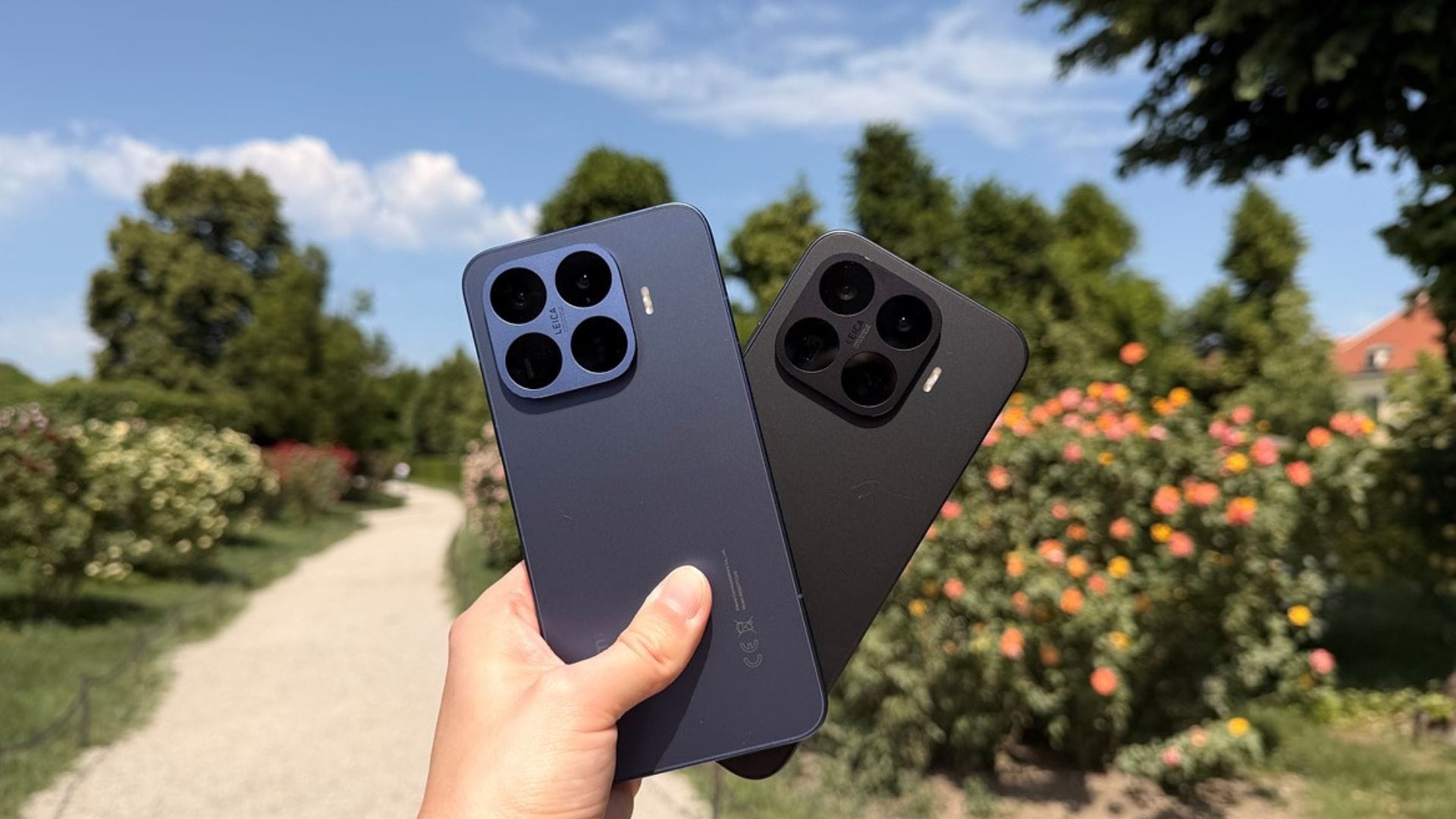
Leica has suggested that generative artificial intelligence tools may not align with the values of its traditional camera business, while acknowledging that such features have a place on modern smartphones such as the Xiaomi 17T Pro.
The comments came during a media roundtable following the launch of the Xiaomi 17T Pro in Vienna. The smartphone combines Leica-branded camera technology with new AI-powered tools from Google, including Gemini Omni, a text-to-video feature introduced earlier this month.
As smartphone makers increasingly combine advanced camera systems with artificial intelligence capabilities, Leica’s remarks offer insight into how a historic photography brand views the growing role of AI-generated content in consumer devices.
Leica emphasises authenticity in photography
Leica has built its reputation over more than 150 years on producing cameras designed to capture authentic images. During discussions following the launch of the Xiaomi 17T Pro, company executives highlighted the importance of preserving that approach, even as AI tools become more common on smartphones.
Marius Eschweiler, Vice President of Leica’s Mobile Business Unit, explained that the company continues to prioritise realistic photography experiences for smartphone users. Leica’s camera modes on Xiaomi devices are designed to capture images that accurately represent real-world scenes rather than heavily alter them with artificial intelligence.
“The philosophy of Leica is always to create authentic images; real images that really replicate reality,” said Eschweiler. “I think there is a little difference between customers who are choosing [to use] a smartphone for taking images [and traditional photographers], and I think we are offering smartphone users a good Leica experience with different Leica modes that are focused on authenticity.”
However, Eschweiler acknowledged that generative AI serves a different purpose from traditional photography. He pointed to demonstrations of Gemini Omni creating short personalised videos as an example of a creative use case that exists alongside conventional image capture rather than replacing it.
“But there are also use cases [for generative AI], like this cute video postcard Erin [Pettigrew] presented. This is just a different use case. Whether you want to take a serious image or create something with generative AI — I think that’s a different use case. Most likely, you won’t see it on a Leica M camera, but I think on a Xiaomi 17T series, it makes perfect sense.”
Leica and Google focus on content verification
Alongside its comments on authenticity, Leica highlighted efforts to help users identify whether photographs have been altered. The company pointed to its Content Credentials feature, which embeds a digital signature into images captured on supported devices, including Xiaomi smartphones equipped with Leica camera technology.
According to Leica, the feature allows tracking whether a photograph has been modified after it was taken. While it cannot prevent editing entirely, it offers transparency by preserving information about the image’s origin and any subsequent changes.
Pablo Acevedo Noda, Leica’s Head of Development and Engineering for Mobile, said the system is intended to help users distinguish authentic photographs from manipulated content.
“Adding Content Credentials to photos taken with the phone prevents somebody from tampering with the photo afterwards — [or at least] you’ll know that it has been tampered with,” Noda explained.
“Sometimes, it will be obvious — if you add something special with Nano Banana, for example — but sometimes, it will not be obvious. The metadata will include that information. That’s the important part.”
Google has also introduced measures to increase transparency around AI-generated content. During its I/O 2026 developer conference, the company announced updates to its Verify AI tool to help users determine whether media has been created or modified using artificial intelligence.
Industry continues balancing AI and photography
The relationship between photography and generative AI remains one of the technology industry’s most debated topics. Smartphone manufacturers have increasingly introduced AI-powered editing tools, image-generation features, and content-creation systems, prompting discussions about the meaning of authenticity in photography.
Many technology companies have argued that AI tools should be viewed as optional creative features rather than replacements for traditional photography. This position reflects growing awareness of consumer concerns regarding misinformation, image manipulation and the potential erosion of trust in digital media.
The distinction between AI-assisted photo enhancements and fully generated content has become particularly significant. While features that improve image quality or remove unwanted objects are now widely accepted, text-to-image and text-to-video tools such as Gemini Omni raise broader questions about how photography is defined in the age of artificial intelligence.
Leica’s comments suggest the company is attempting to balance its long-standing commitment to photographic authenticity with the realities of modern smartphone development. As a partner on the Xiaomi 17T Pro, Leica supports a device that combines traditional camera technology with advanced AI capabilities, even though those tools may not fit naturally within its dedicated camera range.
For now, Leica appears committed to keeping its flagship M-series cameras focused on capturing real-world scenes, while accepting that AI-generated content has become an important feature for many smartphone users.