

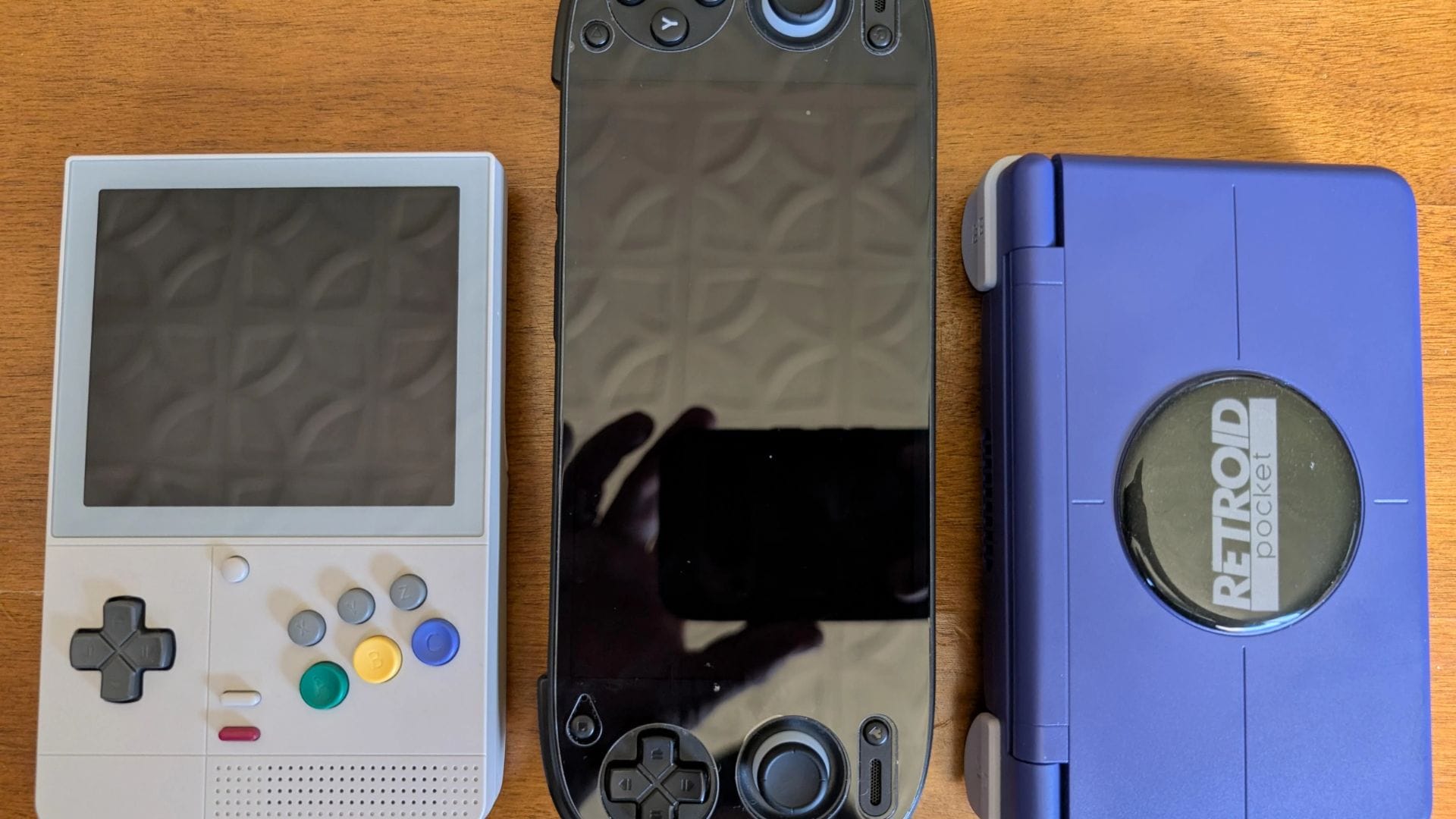
Retroid is increasing the memory capacity of its entry-level Pocket 5 and Flip 2 handheld gaming devices, while also preparing to raise prices later this month.
Customers with unfulfilled orders for versions featuring 8GB of RAM and 128GB of storage will receive an upgrade to 12GB of RAM at no additional cost. However, the company plans to remove the lower-memory models from its range and increase the starting prices of both devices after 14 July.
The change gives existing customers more memory without requiring an additional payment. New buyers will also have until 14 July to purchase a handheld at its current price before the revised pricing takes effect.
Entry-level models receive additional memory
The Retroid Pocket 5 and Retroid Pocket Flip 2 currently offer entry-level configurations with 8GB of RAM and 128GB of internal storage. Under the new arrangement, customers who have already ordered one of these models but have not yet received it will automatically receive a device with 12GB of RAM instead.
Retroid is providing the additional 4GB of memory at no extra cost for affected orders. The upgrade could improve the devices’ ability to handle demanding applications, multitasking and some emulation workloads. However, performance will continue to depend on the software being used and the requirements of individual games.
Qualcomm’s Snapdragon 865 processor powers both handhelds. While they are not the newest products announced by Retroid, they remain capable Android-based gaming systems designed to support a wide range of classic games through emulation. Their hardware can run titles from older platforms and may support games from more demanding systems, including the Nintendo GameCube and Sony PlayStation 2.
The additional memory may provide more room for Android applications and background processes. It could also help users who run demanding emulators or switch between several applications. However, the practical improvement may vary, as emulation performance is also influenced by processor capability, graphics performance, software optimisation and emulator settings.
New starting prices take effect after 14 July
A US$10 increase will follow the memory upgrade in the starting price of each handheld. From 15 July, the Retroid Pocket 5 will start at US$209, while the Retroid Pocket Flip 2 will start at US$219.
Customers who place an order by 14 July can still purchase the devices at their current prices. The transition effectively removes the least expensive 8GB configurations rather than simply adding a new premium memory option. Future entry-level models will offer 12GB of RAM but will carry higher starting prices.
Retroid has not publicly explained the reason for the change. However, rising memory costs and changes in the wider technology supply chain may have influenced the decision. Growing demand for memory components from artificial intelligence companies has placed additional pressure on supplies and contributed to higher prices across parts of the technology industry.
Major technology companies have also adjusted prices or changed product configurations in response to increasing component costs. Microsoft, Apple and Framework are among the companies that have faced pressure from changes in hardware and memory pricing.
Although buyers will receive more memory for the additional cost, removing the cheaper configuration reduces the number of lower-priced options available. Customers primarily interested in affordability will therefore have fewer choices once the new pricing structure takes effect.
Retroid adjusts its range as hardware costs rise
Retroid operates on a smaller scale than major consumer technology companies such as Apple and Samsung. Smaller manufacturers may have less access to large component reserves and may not have the same ability to negotiate favourable long-term supply agreements.
This can make changes in memory prices more difficult to absorb. Larger companies often purchase components in greater quantities or secure supplies through long-term agreements. Smaller hardware makers may need to adjust product configurations or retail prices more quickly when component costs increase.
Removing the 8GB option may allow Retroid to simplify production while focusing on a single higher-memory configuration. A more streamlined product range could reduce manufacturing complexity and help the company manage supply more efficiently.
The decision is similar to strategies used elsewhere in the technology industry, where companies have removed lower-cost models instead of maintaining several configurations with increasingly narrow price differences. While this approach raises the minimum cost for new customers, it also ensures that future buyers receive more capable hardware as standard.
The Retroid Pocket 5 and Flip 2 are not the company’s latest announced handhelds, with the upcoming Retroid Pocket Nova expected to expand its product range. Even so, the Pocket 5 and Flip 2 remain important options for users seeking Android-based handheld gaming devices with support for more demanding emulation.
For customers already waiting on an entry-level order, the move offers a free upgrade from 8GB to 12GB of RAM. Those considering a new purchase have until 14 July to secure the current pricing before the Pocket 5 and Flip 2 increase to US$209 and US$219, respectively.