


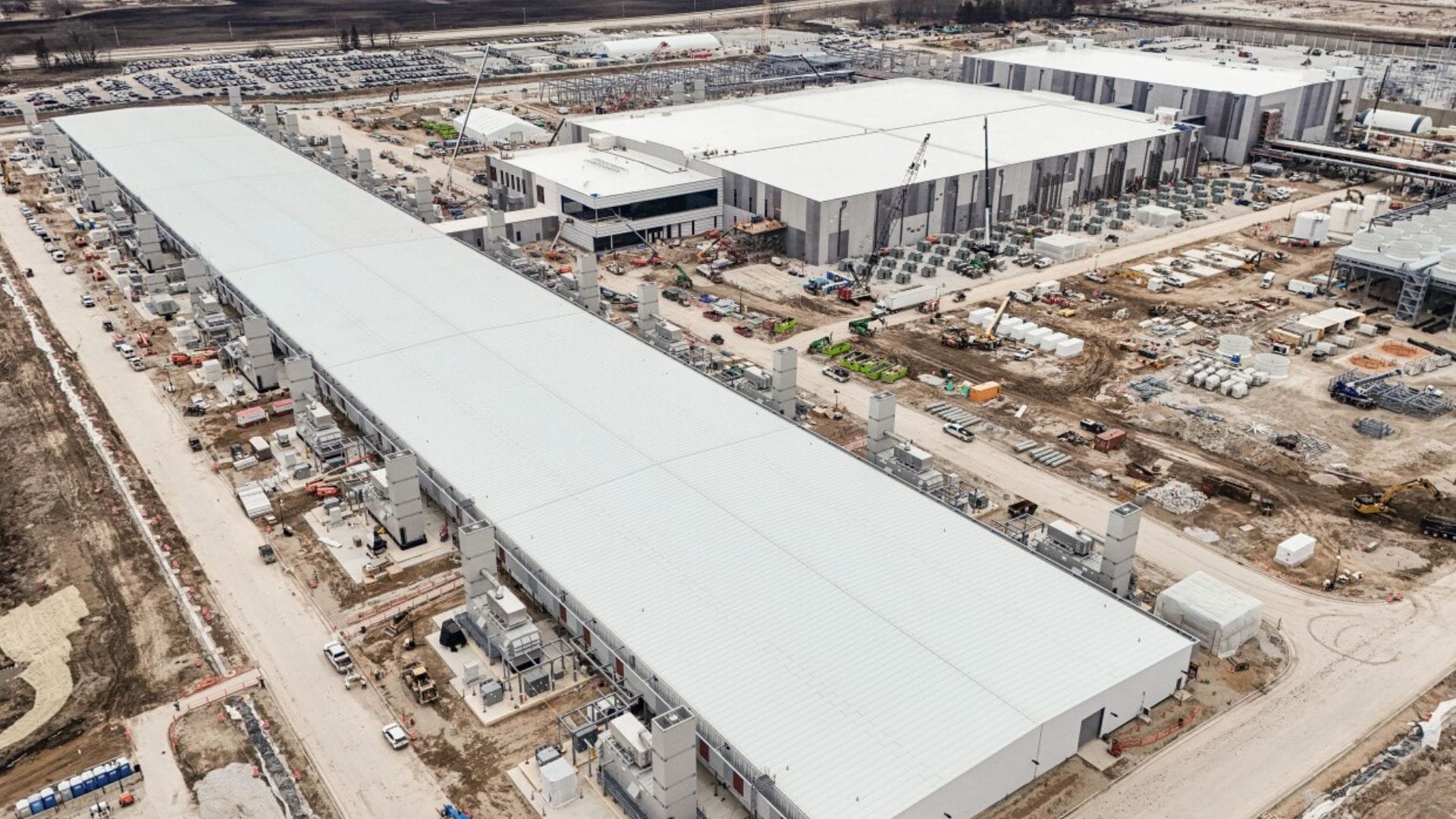
Microsoft recorded a 25 per cent year-on-year increase in carbon emissions during its 2025 financial year, with the rapid expansion of artificial intelligence infrastructure identified as the main reason for the rise.
The technology company disclosed the increase in its 2026 Environmental Sustainability Report, which tracks its environmental progress against a 2020 baseline. The latest figures highlight the growing challenge of balancing large-scale AI development with long-term climate commitments.
Microsoft has maintained that its environmental goals remain unchanged despite the additional energy, water, land and materials required to build and operate AI data centres. However, the increase leaves the company with significant work to complete before its target date.
AI data centre growth increases environmental pressure
Microsoft said continued investment in AI data centre infrastructure contributed heavily to the increase in its carbon footprint. The expansion requires significant amounts of electricity and construction materials as the company scales up computing capacity to meet growing demand for AI products and services.
The environmental impact of AI infrastructure extends beyond electricity use. New data centres require land, water for cooling systems and materials such as steel, cement and computer equipment. The production and construction of these resources can generate substantial emissions before a facility becomes operational.
The company acknowledged that environmental technologies and clean energy projects are not developing quickly enough to keep pace with the rapid growth of AI infrastructure.
“While AI infrastructure is driving demand for energy, water, land, and materials, sustainability solutions are not scaling fast enough to meet demand,” Microsoft said in its report.
Microsoft added that it would need to continue refining its environmental plans as technology, information and operating conditions develop. The company said its strategies would change as new data became available and the effects of different environmental decisions became clearer.
Despite the growing demands created by AI, Microsoft said it was not reducing its sustainability ambitions. The company announced in 2020 that it intended to become carbon negative by 2030. Achieving this target would require it to remove more carbon from the atmosphere than it produces through its operations and wider business activities.
With four years remaining until the deadline, the increase in reported emissions places additional pressure on Microsoft to expand clean energy projects and carbon-removal efforts.
“We continue to really be focused around carbon negativity by 2030,” chief sustainability officer Melanie Nakagawa told GeekWire.
Renewable energy certificate change affects reported emissions
The expansion of AI infrastructure was not the only reason for the increase in Microsoft’s reported carbon emissions. The company also changed the way it uses renewable energy certificates, which affected its environmental figures in the short term.
Microsoft stopped purchasing unbundled renewable energy certificates during the reporting period. Each certificate represents ownership of the environmental benefits associated with one megawatt-hour of zero-carbon electricity produced by a renewable energy source and supplied to the electricity grid.
Companies can use these certificates to support renewable electricity generation and account for part of their energy use. However, unbundled certificates can be purchased separately from the electricity that an organisation directly consumes.
Microsoft said ending these purchases increased its reported emissions in the near term. The company described the decision as part of a wider effort to support the addition of carbon-free electricity in areas where it operates rather than relying mainly on certificates to account for renewable energy use.
The revised approach is intended to encourage investment in electricity systems and increase the availability of clean energy on local grids. Microsoft said it planned to support different sources of carbon-free power as part of its long-term environmental strategy.
“We believe this change will create more long-term sustainability benefits,” the company said.
The decision reflects a shift towards projects that could have a more direct effect on electricity supplies. However, it also makes Microsoft’s current emissions figures appear higher as the company moves away from an accounting method that previously helped offset its reported energy impact.
Microsoft said the change did not represent a reduction in its climate ambitions. Instead, the company expects the revised strategy to produce broader environmental benefits over time by helping expand clean electricity generation in the regions that support its operations.
Microsoft reports progress in renewable energy and water use
Although carbon emissions increased during the 2025 financial year, Microsoft highlighted progress in other parts of its environmental programme. The company said it matched 100 per cent of its annual global electricity consumption with renewable energy.
Matching electricity use with renewable energy does not necessarily mean every Microsoft facility operates entirely on clean power at all times. Electricity grids generally combine energy from several sources, including renewable power, nuclear energy and fossil fuels.
The achievement instead means Microsoft supported the generation or purchase of renewable electricity equal to its total annual electricity consumption worldwide. The company continues to invest in energy projects as it works towards reducing the environmental impact of its expanding cloud and AI operations.
Microsoft also reported progress towards its goal of becoming water positive by 2030. The company said it replenished more water globally than it withdrew during the 2025 financial year.
Water replenishment projects can include restoring wetlands, improving water systems and supporting conservation programmes. These projects are intended to return water to communities and natural environments while helping address the amount consumed by company operations.
Water use has become an important issue for the technology industry because many data centres rely on cooling systems to prevent servers and other computing equipment from overheating. The continued expansion of AI infrastructure could increase demand, particularly in areas where water supplies are already under pressure.
Microsoft’s latest sustainability report shows the various environmental impacts of AI’s growth. While the company reported progress in renewable electricity and water replenishment, its rising carbon emissions underscore the scale of the challenge of expanding computing infrastructure while pursuing climate targets.
The company said it remained committed to becoming carbon-negative and water-positive by 2030. Reaching those goals will depend on whether clean energy, carbon-removal technology and other sustainability measures can grow quickly enough to support the continuing expansion of AI services.