

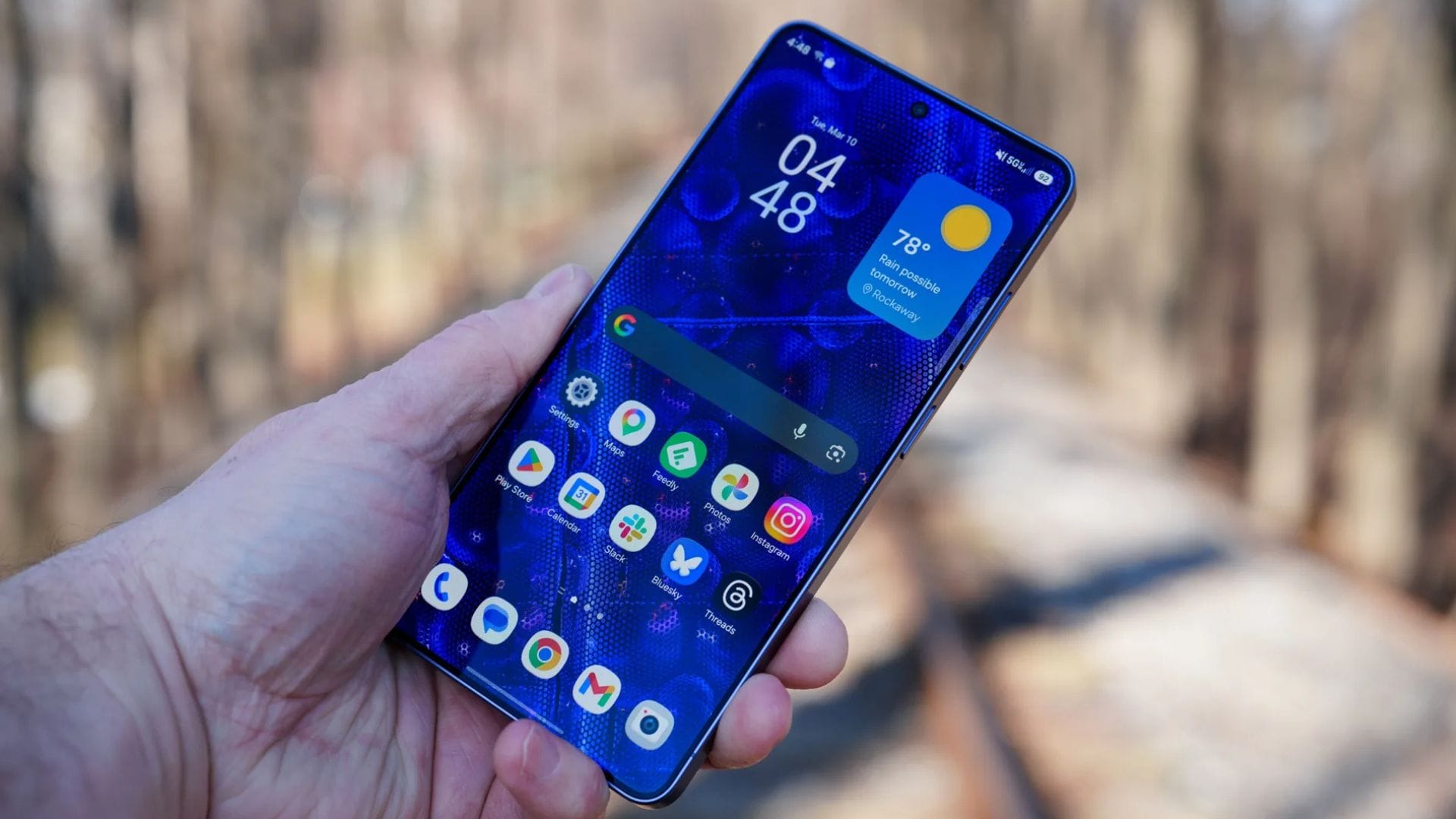
Samsung is investigating reports that some Galaxy S26 Ultra smartphones have developed a reddish tint on their displays after several months of use. The company has acknowledged awareness of the issue but says it has not yet identified the cause.
Owners of the flagship handset have been sharing images and videos on social media showing what appears to be a pink or red rectangle forming in the centre of the screen. While the number of affected devices remains unclear, reports have continued to appear online since shortly after the phone’s March launch.
Samsung confirms investigation into display issue
Discussions about the display problem have grown across social media and online forums, where Galaxy S26 Ultra users have described similar symptoms. Many claim the reddish area developed gradually rather than appearing immediately after purchase, suggesting the issue may emerge over time.
Some users have also reported seeing the same effect on demonstration units displayed in retail stores. However, there is no indication that every Galaxy S26 Ultra is affected. Reviews of other devices, including units tested several months after launch, have not consistently shown any red tint.
Samsung has confirmed that it is looking into the reports. Speaking to the Korean publication Newsway, the company said it is “examining the matter internally to confirm the cause.” At present, Samsung has not announced whether the issue is hardware-related, software-related, or due to another factor, nor has it provided a timeline for its investigation.
The company has also not said whether affected customers will be offered repairs or replacements. Until more information becomes available, users experiencing the issue are likely to wait for further guidance from Samsung.
Privacy Display feature draws attention
One possible area of interest is the Galaxy S26 Ultra’s Privacy Display feature, which is exclusive to the model among Samsung’s current smartphone range. The technology is designed to make the screen difficult to view from the side while keeping the display clear for the person using the phone.
The feature received positive feedback for reducing the risk of people viewing sensitive information over a user’s shoulder without noticeably affecting the main viewing experience. However, some customers have reported discomfort when using the display, including eye strain, headaches, nausea, and dizziness.
Although these complaints are separate from the newly reported red tint, some users have speculated that the Privacy Display technology could be connected to the problem. At this stage, there is no evidence confirming such a link, and Samsung has not suggested that the feature is responsible.
The reports have prompted further discussion among smartphone owners, particularly because the issue appears to affect only some devices. Without an official explanation, the relationship between the display feature and the reported screen discolouration remains uncertain.
The cause remains unknown as users await answers
Several theories have emerged as users attempt to explain the unusual display behaviour. One possibility is that the problem could be a form of screen burn-in, where static images leave a permanent mark on an OLED display after extended use. Another suggestion is that environmental conditions or prolonged exposure to heat could be contributing factors.
However, there is currently no confirmed evidence supporting any of these explanations. The reported cases vary in timing and severity, making it difficult to determine whether a single issue is affecting all of the devices.
The uncertainty surrounding the reports has led many Galaxy S26 Ultra owners to monitor their own devices for similar signs. As more users share their experiences online, the scale of the issue may become clearer. For now, the available information suggests that the problem is not widespread enough to affect every handset, but it has attracted enough attention for Samsung to begin an internal review.
The outcome of Samsung’s investigation will likely determine whether the issue requires a software update, a hardware repair programme or another form of customer support. Until then, affected users have little choice but to wait for the company’s findings, while potential buyers may also be watching closely for further developments.