

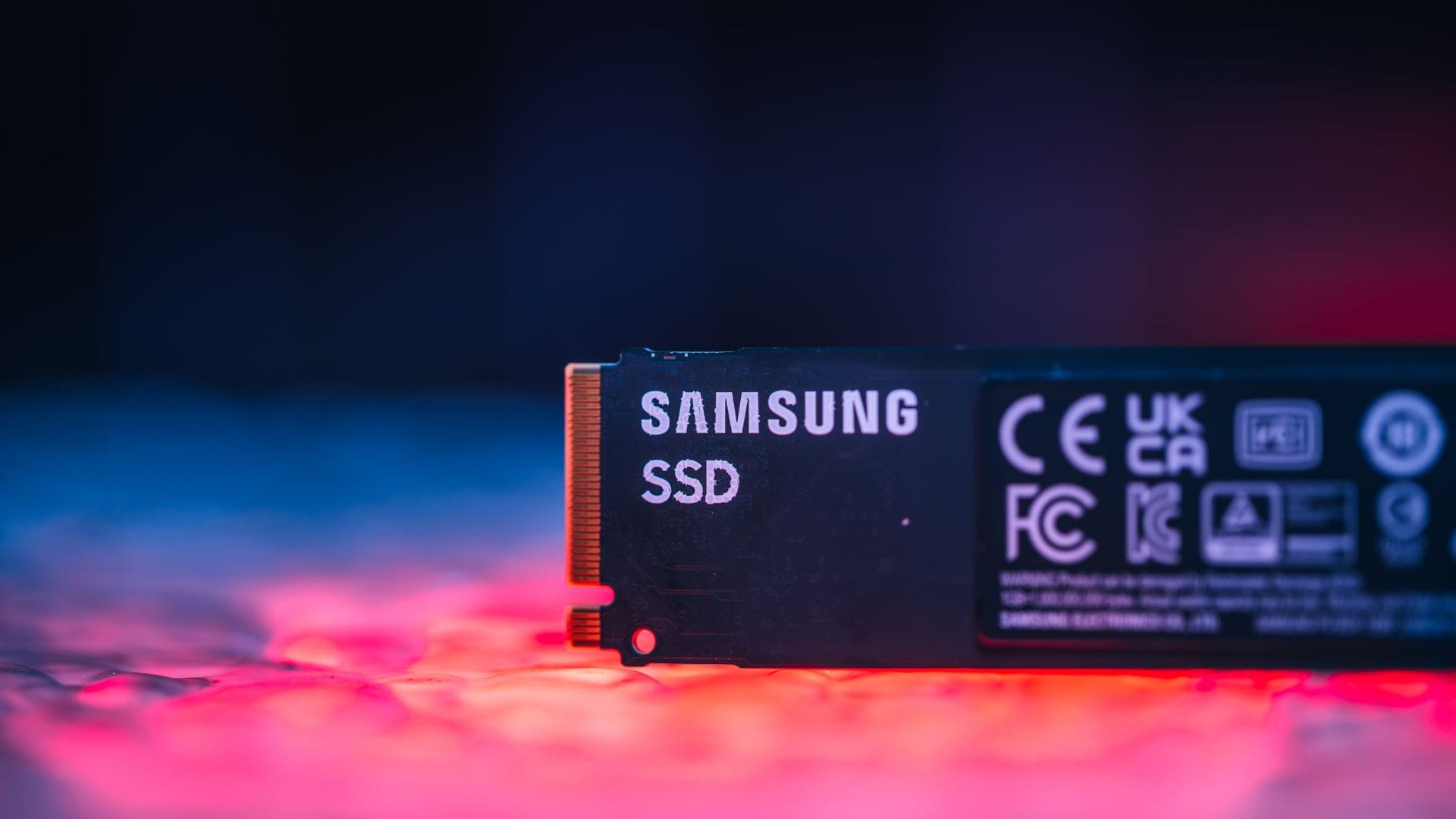
Samsung has expanded its 990 solid-state drive range with a new non-Pro model, but the latest release delivers lower performance and costs much more than the original 990 Pro introduced in 2022.
The new Samsung 990 SSD is priced at US$270 for the 1TB version and US$530 for the 2TB model. These prices are considerably higher than the launch prices of the faster 990 Pro, which initially cost US$179 for 1TB and US$309 for 2TB.
The unusual combination of higher prices and slower speeds reflects the growing pressure on the memory and storage market in 2026. Rising component costs and strong demand from the artificial intelligence industry have contributed to higher prices across several types of computer hardware.
New Samsung 990 offers lower performance
Samsung introduced the original 990 Pro series in 2022 as a high-performance storage option aimed at demanding users. The drives offered fast data transfer speeds and were designed for intensive workloads, including gaming, professional content creation and other tasks requiring quick access to large amounts of data.
The newly announced Samsung 990 removes the Pro branding and delivers lower maximum performance in several areas. According to the company’s announced specifications, the drive can reach sequential read speeds of up to 7,250 MB/s and sequential write speeds of up to 6,450 MB/s.
Random performance is rated at up to 850,000 input/output operations per second for reads and 1.2 million for writes. These measurements indicate how quickly a storage drive can handle small files and concurrent operations, which may affect performance in demanding applications and heavy workloads.
By comparison, the original 990 Pro offered sequential read speeds of up to 7,450 MB/s and write speeds of up to 6,900 MB/s. It also reached up to 1.4 million random read operations and 1.55 million random write operations per second.
The differences in sequential speeds are relatively small, meaning many users may not notice a major change during everyday tasks. However, the gap is more significant in random performance, particularly for read operations. This could make the older Pro model more suitable for workloads involving frequent access to large numbers of smaller files.
Prices rise sharply across the 990 range
Despite offering lower maximum speeds, the new Samsung 990 carries a significantly higher price than the original 990 Pro did when it entered the market. The 1TB model costs US$270, around 50 per cent more than the original US$179 launch price of the 1TB 990 Pro.
The difference is also substantial for buyers seeking more storage. Samsung has priced the new 2TB 990 at US$530, compared with the US$309 launch price of the equivalent 990 Pro in 2022. This represents an increase of more than US$200 despite the newer drive offering lower advertised performance.
Samsung’s existing 990 Pro models have also been affected by higher prices. The 1TB 990 Pro is now priced at US$320, while the 2TB version costs US$640. The current price of the 2TB model is more than double its original launch price.
The higher prices mean buyers may need to compare performance, capacity and availability more carefully before choosing a drive. The new non-Pro model remains less expensive than the current 990 Pro, but its price is still far above what consumers paid for Samsung’s flagship storage products several years ago.
Storage prices can vary between retailers and regions, and discounts may reduce the final cost. However, Samsung’s announced pricing highlights the wider changes affecting the memory market and the growing difficulty of finding high-capacity storage at prices seen in previous years.
AI demand adds pressure to memory supplies
The sharp increase in storage prices comes as technology companies continue to invest heavily in artificial intelligence infrastructure. AI systems require large amounts of memory and storage to train models, process information and operate large data centres.
Demand from the AI industry has placed additional pressure on manufacturers and suppliers. Companies may prioritise components used in high-value data centre products, potentially reducing the supply available for consumer devices and contributing to higher prices for products such as SSDs and computer memory.
There is currently little indication that this pressure will ease quickly. Continued investment in AI infrastructure could keep demand high and make large price increases more common across the technology sector. Consumers upgrading computers or building new systems may therefore face higher costs than in earlier product generations.
The situation may also encourage buyers to consider alternative storage brands, lower-capacity drives or older products that remain available at reduced prices. Others may delay upgrades until market conditions improve or promotional offers become available.
Although the new Samsung 990 remains a high-speed PCIe storage drive, its combination of lower specifications and higher pricing illustrates how rapidly the market has changed. Performance improvements are no longer guaranteed to accompany each new product release, particularly when component costs and industry demand have a major influence on pricing.