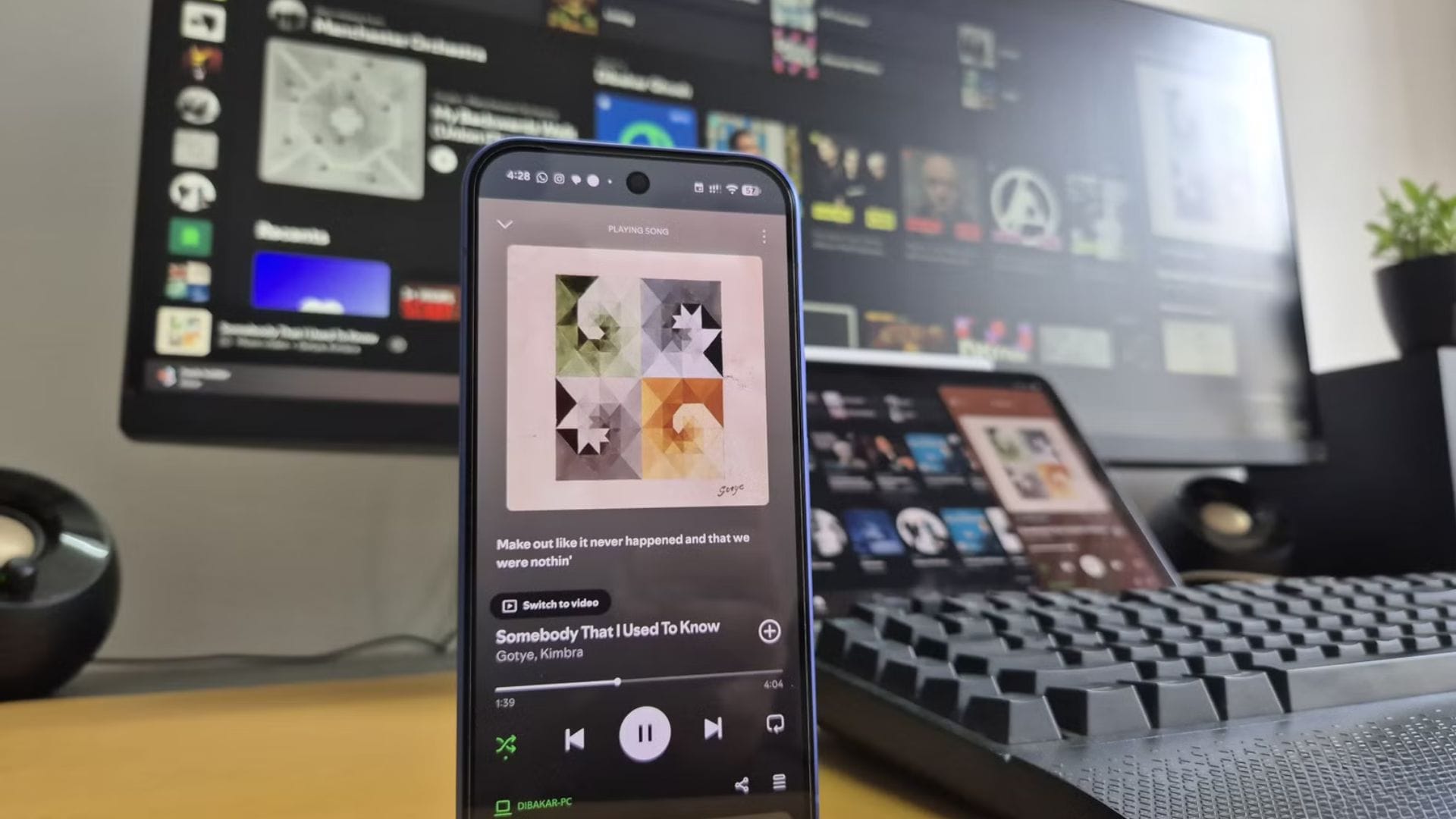
Spotify is rolling out a new artificial intelligence-powered feature that allows Premium users to control playback, create playlists and explore music using voice or text commands.
Called “Talk to Spotify”, the feature is designed to support natural conversations within the Spotify mobile app. Users can ask the service to play music, adjust recommendations, save songs or provide more information about artists and albums without leaving the platform.
The beta feature is gradually becoming available to eligible Premium subscribers aged 18 and over in the US, Ireland and Sweden. It supports English-language voice and text interactions on iOS and Android devices.
Users can shape playlists through conversation
Talk to Spotify is accessible from the Home and Now Playing screens in the mobile app. Users can select the microphone icon in the search field to speak to Spotify or enter requests using text.
The feature allows listeners to begin with a broad request and refine the results through follow-up instructions. For example, a user could ask Spotify to “play some artists I haven’t heard before” before requesting that the selection include Bad Bunny or feature more upbeat music.
Spotify said the conversational system is intended to make music discovery more flexible by allowing users to adjust recommendations without starting a new search. Instead of relying solely on traditional search terms, listeners can describe the type of music they want and continue refining the selection through a back-and-forth exchange.
“By typing or speaking directly in the app, you can have a back-and-forth conversation to choose what’s playing, learn about the music you love, revisit your listening history, and go deeper on podcasts and audiobooks, all without leaving Spotify,” the company wrote.
Users can also manage music while listening. When a song is playing, they can issue commands such as “save this song”, “add this to my queue” or “follow this artist”. These controls are intended to reduce the number of steps needed to complete common actions within the app.
The conversational approach builds on Spotify’s growing use of artificial intelligence across its services. The company has previously introduced AI-based tools for personalised audio experiences, playlist creation and other forms of content discovery.
The feature provides information about music and artists
Talk to Spotify also serves as an informational tool on the Now Playing screen. Listeners can ask questions about the music they are currently hearing, including when an album was released, what genre a song belongs to or what inspired a particular project.
Spotify provided questions about Dua Lipa’s album “Radical Optimism” as examples of how the feature may be used. A listener could ask about the inspiration behind the album before requesting more information about related music, artists or stories.
The system is designed to provide answers while keeping users within the Spotify app. It may also direct listeners towards connected artists and content, creating another way to discover music beyond standard recommendations and curated playlists.
The feature is not limited to songs and albums. It also supports podcasts and audiobooks, allowing users to ask questions about podcast guests, authors and other people connected to the content they are playing.
This broader support could make it easier for listeners to understand unfamiliar subjects without having to leave Spotify to search elsewhere. For example, a user listening to an interview could ask for more information about a guest, while an audiobook listener could request details about an author.
Spotify has increasingly expanded beyond music in recent years by investing in podcasts and audiobooks. Adding conversational tools across these formats may help the company connect its various audio content types through a single interface.
Spotify adds access to personal listening history
Talk to Spotify can also answer questions about a user’s listening habits. Subscribers may ask when they first listened to a particular song or which genres they have played most often in recent weeks.
The feature uses information from a listener’s Spotify activity to provide personalised responses. This gives users another way to explore their music history beyond existing features such as annual listening summaries and personalised recommendations.
Questions such as “When did I first listen to this song?” may help users revisit music from earlier periods of their listening. Users can also ask “What genres have I been into recently?” to receive an overview of their current preferences.
Spotify is gradually introducing Talk to Spotify as a beta, so access may not be immediately available to every eligible subscriber. The initial release is limited to Premium users aged 18 and over in the US, Ireland and Sweden, with all interactions currently offered in English.
The company has not announced when the feature will expand to additional countries, languages or subscription levels. Its performance during the beta period is likely to influence how the service develops and whether wider access follows.
By combining playback controls, music discovery and information tools, Talk to Spotify gives users a more conversational way to interact with the platform. The feature also represents another step in Spotify’s wider use of artificial intelligence to personalise listening and simplify navigation.