


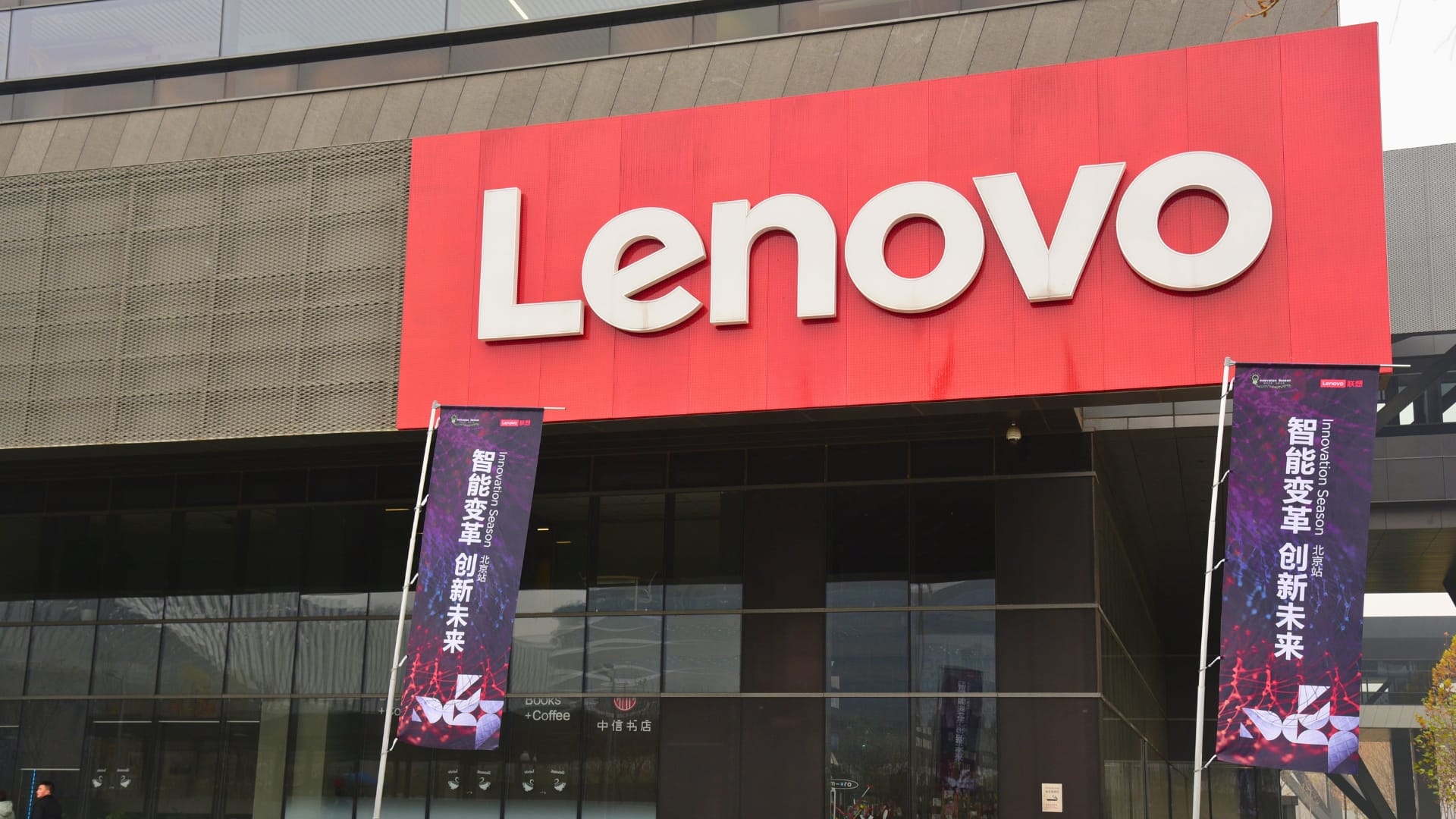
Lenovo has announced the full availability of Lenovo xIQ in Singapore, bringing together AI-native platforms for intelligent agents, digital workplace management, and hybrid cloud operations.
The platform is designed to help enterprises and government organisations deploy AI across devices, data centres, and cloud environments with lifecycle automation and governance. Lenovo showcased the launch at Milipol TechX 2026, held from 28 to 30 April.
Hybrid AI infrastructure takes centre stage
Lenovo xIQ extends the company’s Hybrid AI Advantage portfolio, which combines Hybrid AI Factory, Lenovo AI Services, and the AI Library. The platform is positioned around organisations that need to deploy AI while retaining control over security, compliance, and data sovereignty.
Lenovo cited its CIO Playbook 2026 for Asia Pacific, which found that 86% of CIOs in the region favour hybrid deployments over pure public cloud models. The company said this preference is driven by data privacy and compliance requirements, particularly as organisations deploy AI across on-premises, private cloud, and hybrid environments.
The xIQ Hybrid Cloud Platform is built for sovereign-ready environments, allowing organisations to retain control over sensitive data and workloads. Lenovo said the platform includes built-in security frameworks and AIOps-driven governance to keep AI adoption transparent, auditable, and aligned with enterprise risk requirements.
Governance remains a gap in AI adoption
Lenovo also pointed to a gap between AI ambition and AI readiness. According to the company’s playbook, 88% of organisations expect positive returns from AI, with an average return of US$2.85 for every dollar invested. At the same time, around two-thirds of organisations lack a comprehensive framework for AI governance, risk, and compliance.
Lenovo Agentic AI sits behind xIQ and is intended to help organisations address that gap. It combines Lenovo AI Services and the Lenovo AI Library, a portfolio of validated and customisable use cases, with lifecycle automation and governance. Lenovo said advisory services such as AI Discover and AI Fast Start can help organisations move from AI planning to measurable outcomes in as little as three months.
Lenovo cited its work with Yili Group as one example of the Agentic AI approach. Through Lenovo AI Services, Yili piloted voice-of-the-customer analytics, implemented a supply chain control tower for real-time visibility, and introduced digital commerce tools.
Three platforms sit under xIQ
Lenovo xIQ consists of three AI-native platforms. The xIQ Agent Platform enables no-code AI agent creation and deployment, with governance built into the workflow. The xIQ Digital Workplace Platform is aimed at improving employee productivity and IT operations through proactive issue detection, automated remediation, and personalised workplace experiences.
Lenovo said the digital workplace platform can deliver up to a 30% improvement in user experience, reduce IT support costs by 30%, and enable up to 40% proactive resolution of IT issues.
The xIQ Hybrid Cloud Platform is designed to manage cost, performance, and visibility across hybrid and multi-cloud environments. It combines AIOps, FinOps, and DevOps capabilities for operational management.
“The race for enterprise AI is well and truly underway, with every industry in Singapore making it a top agenda item – signalling not just ambition, but a strong appetite for execution,” said Fan Ho, Vice President & General Manager, Solutions and Services Group, Lenovo Asia Pacific. “Enterprises across the region are looking for AI that delivers results responsibly, securely, and at speed, without added complexity. Lenovo’s Hybrid AI Advantage framework and xIQ platforms provide enterprises and government organisations in Singapore with a clear, governed path to AI at scale without compromising on security, control, or trust.”