


Clara Shih, a former artificial intelligence executive at Meta and Salesforce, has warned that younger workers risk being left behind as artificial intelligence rapidly reshapes the labour market, prompting her to establish a nonprofit to help Generation Z adapt to the changing workplace.
Her move comes amid growing anxiety about the impact of artificial intelligence on employment prospects, wages, and career pathways, particularly among workers who entered education systems designed for a pre-AI economy.
AI agents outperform human workers in key tasks
Shih said her concerns intensified after witnessing artificial intelligence systems outperform highly skilled employees during her time in senior technology roles. According to her, the speed and accuracy of AI agents marked a turning point in how work would be completed in the future.
“In that moment, I knew that nothing would ever be the same,” she told Fortune. “You feel radicalised in that moment when you see it working.”
She explained that the experience of watching automated systems repeatedly outperform experienced staff highlighted the scale of disruption ahead. Tasks that once required specialised human expertise were completed more quickly and efficiently by AI systems, leaving even top-performing employees struggling to match their output.
Shih noted that many younger workers have spent years building skills suited to industries that are now undergoing rapid automation. As businesses adopt AI tools to improve productivity and reduce costs, traditional job roles are being redefined or eliminated, leaving job seekers facing increasing competition and uncertainty.
She believes the pace of technological progress has rendered conventional training methods insufficient. Workers relying solely on established education pathways may find themselves unable to keep up with the demands of an AI-driven workplace.
“I realised that the only way to help people keep up with the pace of AI was to give them AI tools,” she explained. “Because if you use the traditional ways…it’s just not fast enough to keep pace with how quickly AI is advancing.”
New nonprofit aims to prepare Gen Z for AI-driven workplaces
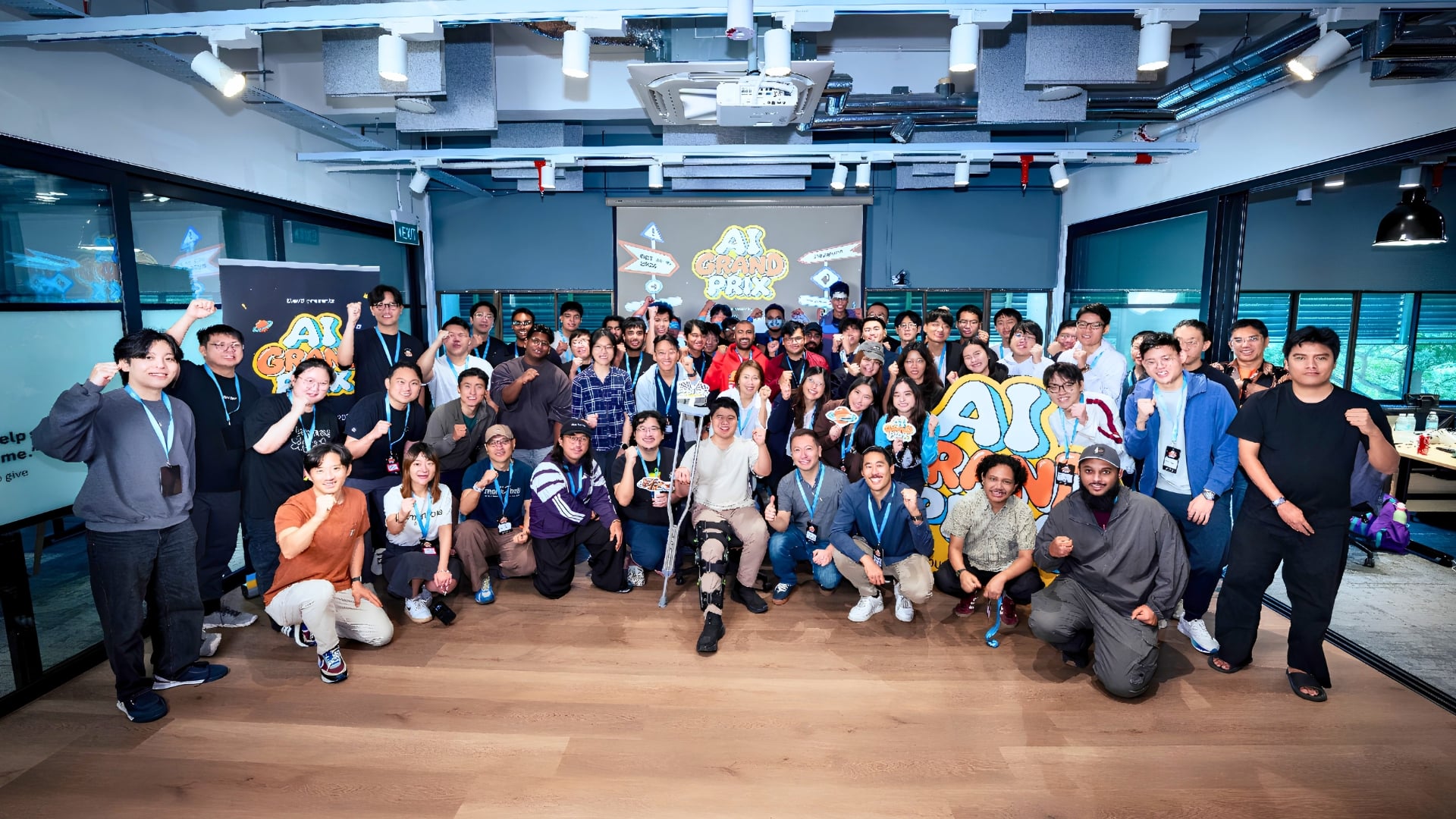
In response to these challenges, Shih has launched a nonprofit organisation designed to help younger workers develop practical skills using artificial intelligence tools. The initiative focuses on equipping Generation Z with the knowledge needed to remain competitive as automation spreads across industries.
The organisation aims to bridge the gap between traditional education and emerging workplace requirements. By teaching students to work alongside AI systems rather than compete against them, the programme seeks to improve employability in sectors where automation is becoming the norm.
Shih said the nonprofit’s mission centres on providing accessible resources that allow young people to adapt quickly. Training materials include hands-on exercises and real-world examples that demonstrate how AI can enhance productivity rather than replace workers.
She emphasised that familiarity with AI tools will become a fundamental workplace requirement, similar to basic computer literacy in previous decades. Without exposure to such technologies, she warned, many young workers risk falling behind as employers prioritise candidates who can manage and collaborate with automated systems.
The initiative also encourages experimentation and continuous learning, reflecting the rapidly evolving nature of artificial intelligence. Shih believes that workers who adopt a flexible approach to learning will be better positioned to navigate future technological changes.
More broadly, she hopes the nonprofit will help restore confidence among young job seekers who feel uncertain about their career prospects. By demonstrating practical ways to use AI productively, the organisation aims to shift perceptions of the technology from a threat to a tool.
Growing public concern reflects wider uncertainty about AI
Shih’s efforts come at a time when public sentiment towards artificial intelligence is becoming increasingly cautious. Early optimism about AI’s ability to solve global problems has been tempered by concerns about its economic and social impact.
Recent surveys indicate a notable shift in attitudes among younger people. Nearly half of Generation Z respondents in one poll said they would prefer to live in the past rather than the present, with some citing artificial intelligence as a reason for their unease about the future.
Broader public opinion reflects similar concerns. Another survey found that 46 per cent of registered voters in the United States hold negative views about artificial intelligence, suggesting growing scepticism about its long-term benefits.
Economic fears appear to be a key factor behind these attitudes. Research conducted by employment platform Checkr found that 79 per cent of respondents worry that adopting AI technologies in the workplace could lead to wage reductions. Such concerns highlight the perceived link between automation and declining job security.
Beyond employment issues, artificial intelligence infrastructure has also become a source of debate. The expansion of data centres, which power large-scale AI systems, has faced resistance in some communities due to environmental and resource concerns.
Political leaders and policymakers have begun to respond to these developments by calling for stronger safeguards around AI development and deployment. Proposals under discussion include regulatory frameworks designed to protect workers, ensure ethical use of technology, and address potential economic disruptions.
As artificial intelligence continues to evolve, experts suggest that the future of work will depend on how effectively workers, businesses, and governments adapt to technological change. Shih’s initiative reflects one attempt to address these challenges by focusing on education and workforce readiness.