The US State Department has intensified its accusations that Chinese artificial intelligence firms are using American technology without permission, marking a shift from broad warnings to naming specific companies. The move reflects growing concern in Washington about protecting intellectual property in the rapidly expanding global AI market.
Recent statements from the White House had already suggested that Chinese developers were “systematically” copying or refining American AI models. However, a newly issued diplomatic cable goes further by directly identifying companies alleged to be involved in these activities and urging international partners to take note of the risks.
Diplomatic cable raises concerns over AI model distillation
According to officials, the cable was circulated to US diplomatic missions worldwide to highlight what it described as the dangers of using AI systems that may have been derived from proprietary American technology. The communication said it was intended to “warn of the risks of utilising AI models distilled from U.S. proprietary AI models, and lay the groundwork for potential follow-up and outreach by the U.S. government.”
The term “distillation” refers to a process in which a smaller, simpler model is trained using outputs from a larger, more complex system. While the method can significantly reduce the cost and computing power needed to build advanced tools, US officials argue that the approach may infringe intellectual property rights if the original models are used without permission.
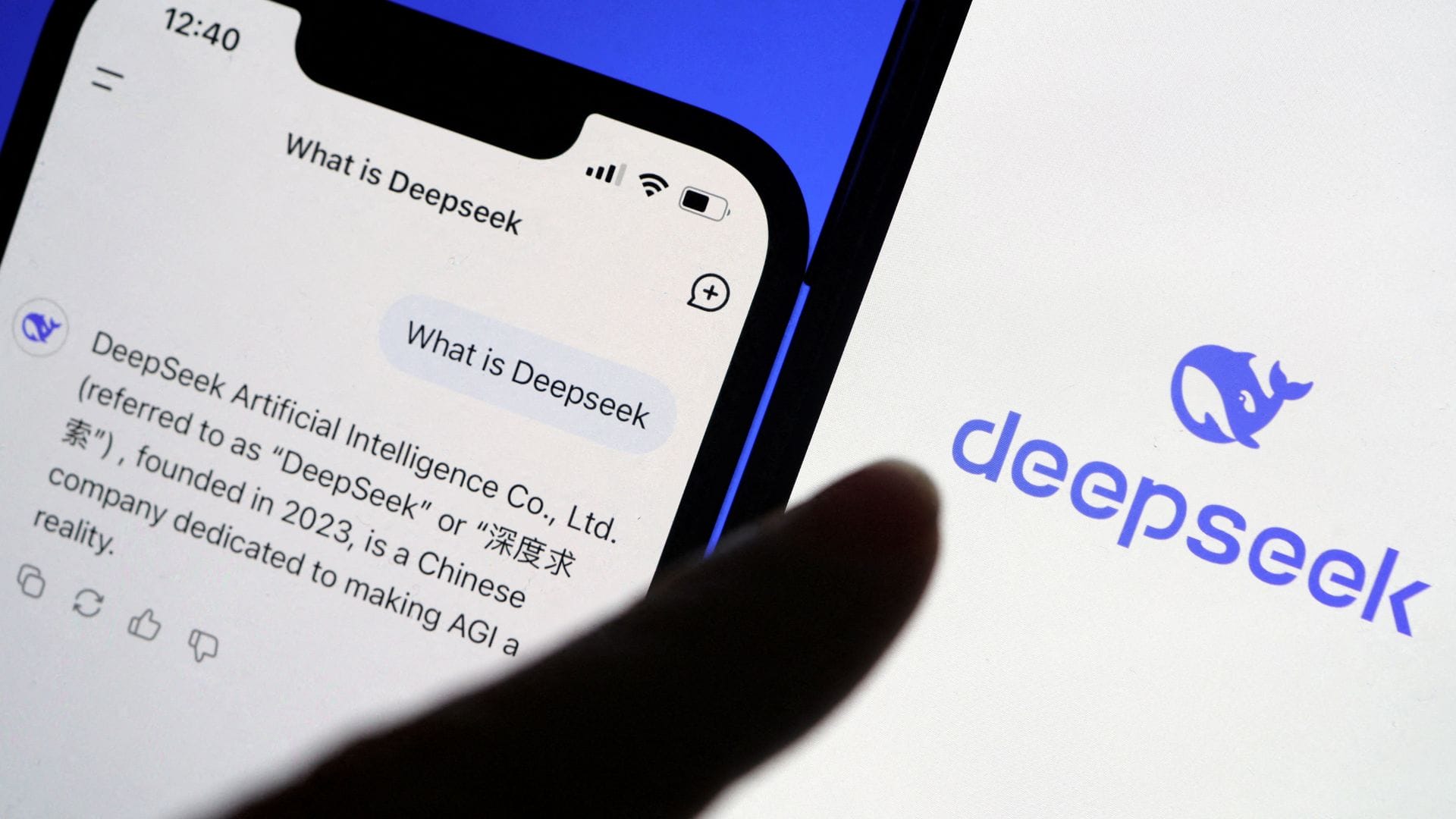
The cable specifically named the companies DeepSeek, Moonshot AI and MiniMax. Diplomatic staff were instructed to raise “concerns over adversaries’ extraction and distillation of U.S. A.I. models” during discussions with foreign governments and partners.
Officials believe that addressing the issue at an international level could help shape future policies and regulations surrounding AI development and deployment. By alerting allies and partners, the US aims to build wider support for measures designed to protect proprietary technologies and prevent unauthorised use of advanced systems.
Chinese firms and the embassy respond to intellectual property claims
Chinese developers have been making rapid progress in the AI sector, producing models that deliver high performance at comparatively low cost. Among the most widely discussed are the DeepSeek-V3 and DeepSeek-R1 systems released by DeepSeek. These tools were widely noted for their ability to compete with leading Western platforms such as ChatGPT while requiring fewer computing resources.
Such developments have disrupted parts of the AI market, with some analysts suggesting that more affordable models could accelerate global adoption of the technology. However, US officials argue that these cost reductions may be linked to the use of outputs from American-developed models, rather than independent research and development.
The Chinese Embassy in Washington has previously rejected allegations that Chinese companies fail to respect intellectual property rules. In response to earlier claims, the embassy stated that Beijing “attaches great importance to the protection of intellectual property rights.”
Industry observers note that the dispute reflects broader competition between major economies to secure leadership in artificial intelligence. The technology is widely seen as a key driver of future economic growth and an important component of national security and digital infrastructure.
Growing geopolitical tension ahead of the planned leaders’ meeting
The escalation in accusations comes at a sensitive time in relations between the world’s two largest economies. A meeting is expected in May 2026 between US President Donald Trump and Chinese President Xi Jinping, and analysts believe the dispute over AI could become a central topic of discussion.
Diplomatic tensions between Washington and Beijing have increased in recent years over trade, technology and national security issues. Artificial intelligence has emerged as one of the most contested areas, with governments seeking to safeguard domestic innovation while limiting reliance on foreign technologies.
Experts suggest that naming specific companies in an official diplomatic communication represents a significant shift in tone. Rather than focusing solely on general concerns, the US government is now signalling a readiness to hold individual organisations accountable if evidence of intellectual property misuse is confirmed.
At the same time, industry specialists caution that proving unauthorised use of AI outputs can be technically complex. The nature of machine learning systems makes it difficult to determine precisely how a model was trained, especially when developers rely on large volumes of publicly available data.
As both nations continue to expand their AI capabilities, the outcome of these disputes may shape the global regulatory environment for years to come. The approaching meeting between the two leaders is likely to be closely watched by technology companies, policymakers and investors seeking clarity on how future cooperation or competition in artificial intelligence will unfold.