


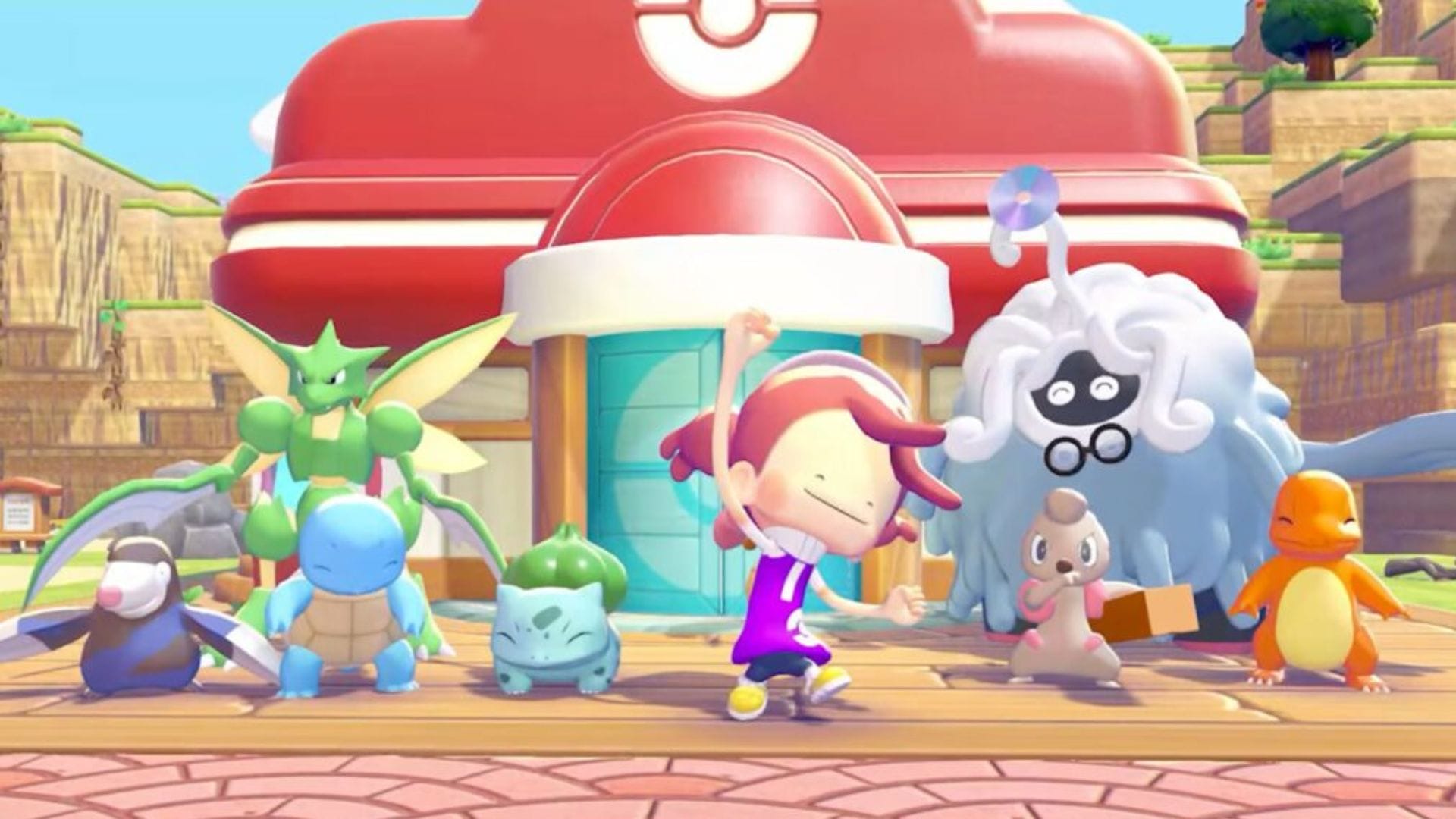
Pokémon Pokopia positions itself as a relaxed life-simulation game that blends familiar Pokémon themes with the gentle pacing of titles like Animal Crossing and Stardew Valley. A recent hands-on preview suggests the game aims to offer a comforting experience while introducing new mechanics that differentiate it from previous Pokémon releases.
Developed jointly by The Pokémon Company, Game Freak and Koei Tecmo, the title shifts away from the traditional trainer-focused formula. Instead, players take on the role of a Ditto, waking up in a deserted town and guided by Professor Tangrowth, the area’s last remaining resident. The premise sets the stage for rebuilding a community, with an emphasis on friendship, exploration and creative world-building.
A new perspective on Pokémon life simulation
Pokémon Pokopia departs from the familiar structure of catching and battling creatures by centring its gameplay on restoration and social interaction. The player-controlled Ditto starts alone in a quiet environment, which contrasts sharply with the bustling towns seen in other Pokémon games. Professor Tangrowth serves as a guide, encouraging players to repopulate the town and restore life to the surrounding area.
One of the most distinctive features is Ditto’s ability to transform into other Pokémon to gain specific skills. Unlike mainline Pokémon games, where creatures have multiple moves, Pokopia limits transformations to a single ability per Pokémon. This streamlined system is designed to keep the experience accessible while still offering meaningful variety. For instance, transforming into Squirtle allows the player to water plants and revive dry land, while becoming Scyther enables them to cut through obstacles.
These abilities replace traditional tools commonly found in farming and life simulation games. Instead of crafting or purchasing equipment, players use Pokémon transformations to shape the environment, solve problems and unlock new areas. This approach blends Pokémon’s identity with the mechanics of the cosy simulation genre, creating a unique take on both.
Building a community and interacting with Pokémon
As players reshape the landscape, they can attract other Pokémon to return to the deserted town. By creating habitats such as clusters of shrubs or other natural features, players encourage creatures to settle in the area. Once they arrive, Pokémon do not simply exist as background characters. They interact with the player, offer quests and engage in conversations using full sentences rather than the traditional Pokémon cries.
This narrative choice aims to deepen the sense of community and friendship. Rather than focusing on collecting creatures for battles, the game encourages players to connect with them as characters with personalities. The tone is warm and inviting, reinforcing the idea that the player is rebuilding a living town rather than completing a checklist of captured Pokémon.
The preview also introduced a central Pokémon Centre that requires renovation. Players can gather materials and complete tasks to restore the building, which will become the heart of the town. This mechanic draws clear inspiration from Stardew Valley, where upgrading key structures plays a central role in progression. Early glimpses of multiplayer showed more advanced villages with multiple buildings, roads and decorative elements, suggesting extensive customisation options.
Multiplayer functionality appears to allow players to visit one another’s towns with ease, echoing the social features of Animal Crossing. This aspect could become a major draw, especially for fans who enjoy sharing creative spaces and collaborating with friends in a relaxed environment.
Questions remain ahead of the March launch
While the preview highlighted many appealing features, several questions remain about the broader scope of Pokémon Pokopia. New Pokémon variants such as Peakychu and Mosslax have appeared in earlier trailers, but their role in the wider Pokémon universe is still unclear. It is not known whether they are exclusive forms created specifically for Pokopia or part of a larger expansion of the franchise’s lore.
There is also uncertainty around whether the game will include deeper gameplay systems beyond town-building and social interaction. The preview did not confirm the presence of dungeon-style content similar to The Mines or Skull Cavern in Stardew Valley. Such features could add a layer of progression and challenge, particularly given Ditto’s transformation abilities, which could translate well into exploration or combat-focused scenarios.
Despite these unanswered questions, early impressions suggest Pokémon Pokopia is shaping up to be a notably cosy entry in the franchise. The emphasis on community, gentle progression and environmental restoration positions it as a comforting alternative to more action-driven Pokémon titles. For players seeking a slower-paced experience, the game could provide a welcome change of tone.
Pokémon Pokopia is available for pre-order, with its official release scheduled for 5 March.