

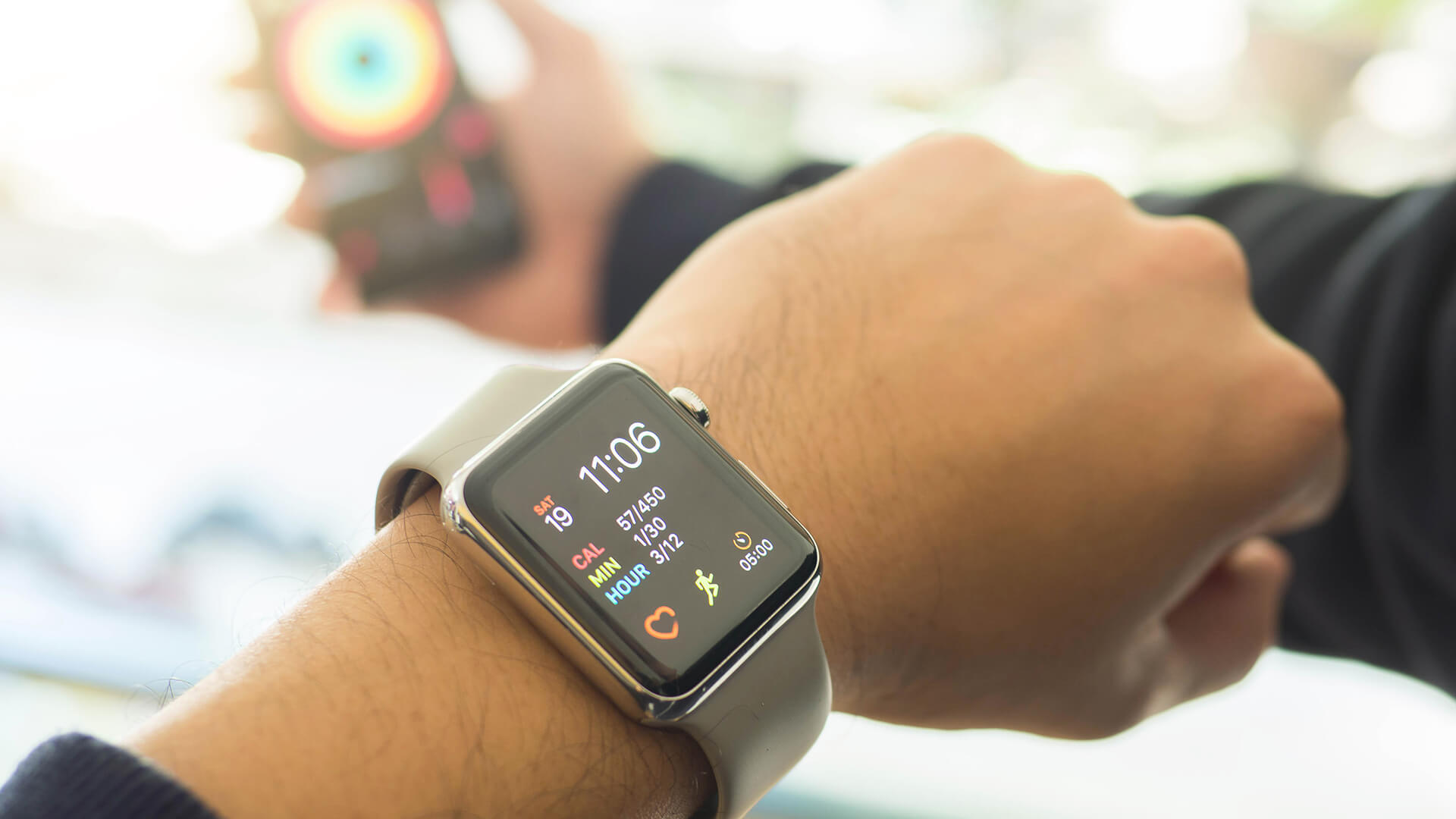
In our brave new world, where technology continues to evolve at lightning speed, a fresh wave of innovation subtly reshapes our daily lives. This wave is none other than wearable technology. Smartwatches, fitness trackers, and intelligent eyewear have become commonplace, but they are just the tip of the iceberg. The next generation of wearable technology promises a more immersive, personalised experience that caters to our health and lifestyle.
As you fasten your seatbelt and prepare to journey into this exciting realm, remember that this is more than a sci-fi vision of the future. It’s a reality, growing from the seeds planted by technology pioneers and nurtured by a society hungry for convenience and personalisation. So now, let’s delve deeper into this technological realm, where human and machine interaction evolves to an unprecedented, symbiotic level.
Health monitoring and the progression beyond steps and heart rate
Modern wearables have done an admirable job promoting physical well-being, tracking steps, heart rate, and sleep patterns. But next-generation devices aim to offer a broader spectrum of health insights. For example, imagine wearables that monitor hydration levels, analyse stress biomarkers, or even detect early signs of diseases. Devices like these could revolutionise preventive healthcare and personal fitness, making people proactive rather than reactive regarding their health.
Consider the fictional ‘Star Trek’ tricorder, a handheld device used to diagnose diseases and collect information about a patient’s body. This concept is rapidly becoming a reality, with tech companies investing in advanced sensors and AI capabilities. Startups such as Nanowear and Sano Intelligence are designing wearables that analyse physiological and biochemical signals, paving the way for non-invasive, real-time health diagnostics.
The evolution from health to lifestyle and its influence on the way we live
While wearables have been primarily associated with health, the scope of their impact is set to expand. The next generation of wearable technology is set to integrate into various aspects of our lives, redefining convenience and personalisation.
Imagine wearable devices that adapt your home environment to your mood, gauged from your body’s signals, adjusting lighting and temperature to enhance comfort. Envision smart clothes that track your workout and recommend exercise routines based on real-time physiological data. Consider augmented reality glasses that provide hands-free, immersive experiences, whether overlaying recipes on your kitchen counter or providing live translations during your overseas travels.
Companies like Apple, Google, and Facebook are working on such pioneering projects. With their immense resources, these technology behemoths have the potential to reshape our everyday experiences through next-generation wearable technology.
Finding harmony in disruption through the crossroads of technology and privacy
Of course, with greater personalisation comes greater responsibility. As wearable technology becomes more intertwined with our lives, the issue of data privacy can’t be ignored. Companies must ensure robust security measures to protect sensitive personal data and maintain user trust.
Transparent data practices will be crucial in this new era of wearables. Regulatory bodies worldwide must collaborate and create comprehensive guidelines to ensure this. A potential silver lining here is that the discourse around privacy could lead to a more mature, responsible handling of personal data across the tech industry.
Witnessing a new dawn and welcoming the future of wearable technology
As we stand on the cusp of this incredible evolution, it’s hard not to be enthralled by the possibilities. This isn’t just about a new gadget on your wrist or a stylish pair of glasses; it’s about an entirely new way of interacting with the world around us.
As our everyday experiences become increasingly digitised, the next generation of wearable technology has the potential to make our lives healthier, more convenient, and more personalised. The combination of advances in sensor technology, artificial intelligence, and big data analysis promises a future where our devices know us better than we know ourselves.
However, amidst the excitement, it’s crucial to remember our responsibility. To ensure this technology serves us well, we must be vigilant about how our data is used and protected. As we enter this new era, we’re not just passive consumers but active participants shaping the digital landscape.
So, the future is here, adorning our wrists, clothes, and glasses, becoming a seamless extension of our beings. The next generation of wearable technology will bring unprecedented changes, redefining our relationship with technology. Are you ready to embrace it? Let’s step forward, arm-in-arm, into this exciting, uncharted future.