

Apple Silicon computers have long been recognised for their energy efficiency and close integration between hardware and software. However, they have not traditionally supported external graphics processing units in a meaningful way, limiting their appeal for users requiring high-performance computing beyond the built-in graphics capabilities.
That situation has now changed following Apple’s approval of TinyGPU, a specialised driver that enables external GPUs to function as artificial intelligence accelerators on Apple Silicon systems. The approval represents a notable shift, allowing users to connect powerful AMD and Nvidia graphics cards to their Macs without bypassing system protections such as System Integrity Protection.
Official approval enables external GPUs for AI workloads
The developers behind the technology, TinyCorp, announced the milestone publicly, signalling the start of broader AI support for Mac users who rely on external hardware. “If you have a Thunderbolt or USB4 eGPU and a Mac, today is the day you’ve been waiting for! Apple finally approved our driver for both AMD and NVIDIA,” the company stated.
If you have a Thunderbolt or USB4 eGPU and a Mac, today is the day you've been waiting for! Apple finally approved our driver for both AMD and NVIDIA. It's so easy to install now a Qwen could do it, then it can run that Qwen… pic.twitter.com/daUsyBHh1W
— the tiny corp (@__tinygrad__) April 1, 2026
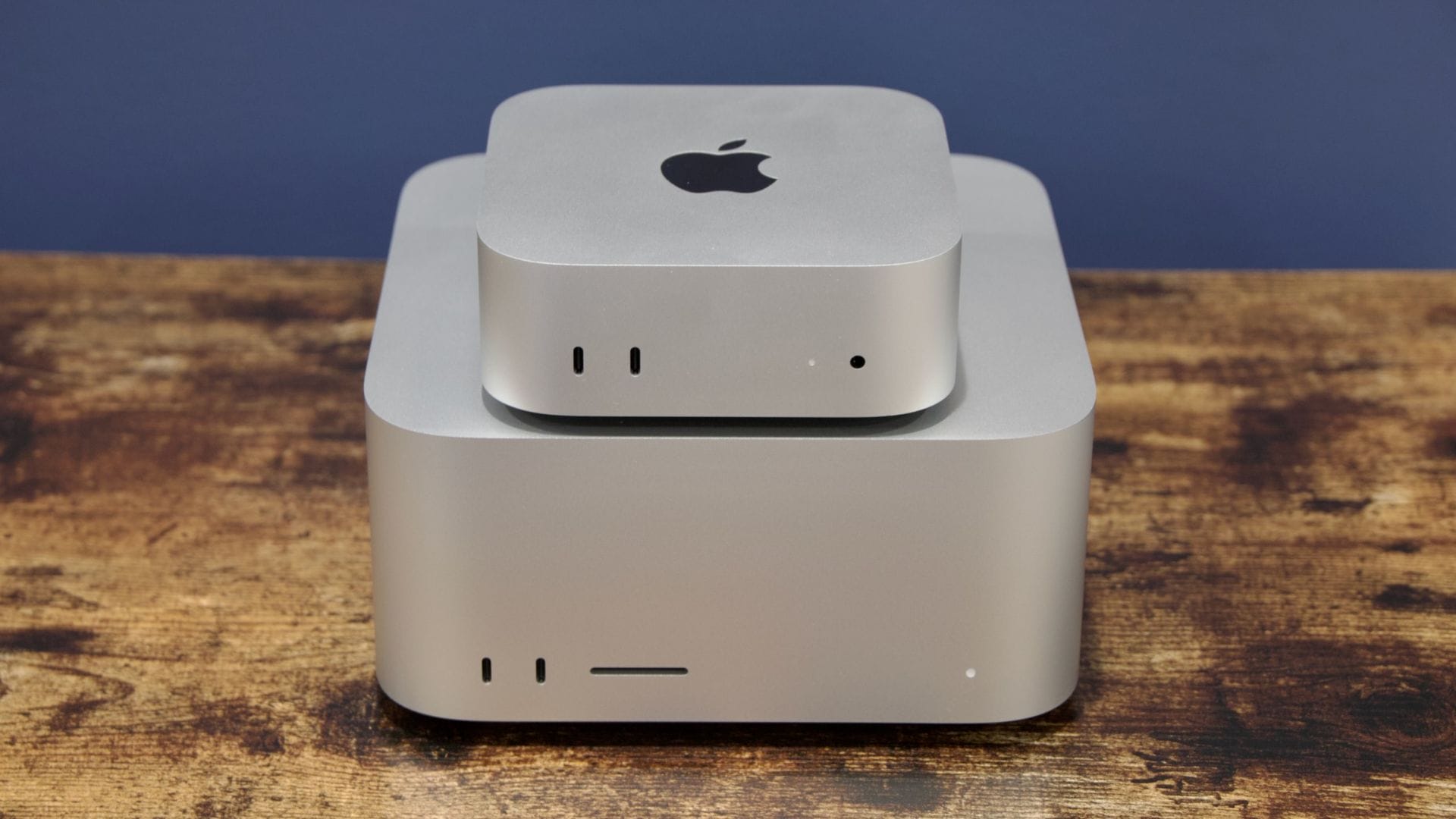
Unlike traditional eGPU setups used primarily for gaming or visual rendering, TinyGPU focuses exclusively on artificial intelligence workloads. Instead of handling graphics output, the external hardware is dedicated to accelerating machine learning processes. This targeted approach allows complex AI models to run directly on systems such as the Mac Mini and other compatible Apple Silicon devices.
The driver supports macOS 12.1 or later and works with machines equipped with USB4 or Thunderbolt 3 and 4 ports. Compatibility currently extends to AMD graphics cards from the RDNA3 generation onwards, as well as Nvidia GPUs based on the Ampere architecture. These requirements ensure that users are working with hardware capable of sustaining the high computational demands of modern AI applications.
AMD-based workflows can be executed natively once the driver is installed, simplifying the user experience. NVIDIA GPUs, however, require an additional configuration step in Docker Desktop to enable AI tasks to run through NVCC, NVIDIA’s compilation framework. Despite this extra requirement, the overall setup has been described as accessible, with developers emphasising the streamlined installation process.
New capability expands AI performance on compact systems
Once activated, the TinyGPU environment allows demanding AI models to run on Apple Silicon machines that were previously considered unsuitable for large-scale computation. Among the supported examples is Qwen 2.5 27B, a sophisticated language model known for its heavy processing requirements.
The system relies on tinygrad, a computational framework developed to manage the interaction between the Mac’s processor and the external graphics hardware. This framework acts as an interface that translates AI instructions into GPU operations, enabling faster training and inference than relying solely on the built-in system components.
For professionals in artificial intelligence, data science, and advanced software development, the change could significantly alter how they use Mac hardware. Compact machines such as the Mac Mini, traditionally viewed as entry-level desktop computers, may now serve as capable AI workstations when paired with suitable external GPUs.
Developers have highlighted the simplicity of the installation process as a key factor behind the technology’s expected adoption. TinyCorp noted, “It’s so easy to install now that a Qwen could do it, then it can run that Qwen,” a remark that underscores both the usability and the intended audience of AI practitioners seeking straightforward deployment tools.
The shift also reflects the growing demand for local AI processing rather than relying exclusively on cloud-based solutions. Running models directly on a desktop environment can offer advantages in privacy, latency, and long-term operational costs, making external GPU support an attractive addition for many users.
Changing hardware landscape follows the end of the Mac Pro line
The timing of the TinyGPU approval coincides with broader changes in Apple’s professional hardware portfolio. Reports indicate that the Mac Pro has been permanently discontinued, with the company removing the flagship workstation model from its official website and redirecting visitors to the general Mac product page.
Industry observers have noted that the Mac Pro line received only three updates over the past fourteen years, suggesting limited demand for traditional high-end desktop systems within Apple’s ecosystem. Rumours of a potential M4 Ultra processor variant never materialised, reinforcing the perception that development of new Mac Pro hardware had slowed significantly.
With the removal of the Mac Pro, Apple Silicon users have lacked a modular workstation option capable of scaling performance through component upgrades. External GPU support via TinyGPU may now offer an alternative, enabling users to extend computational power without replacing their core system.
This development could reshape how professionals approach performance upgrades on Apple hardware. Rather than investing in a fully customised workstation, users may choose to combine compact Apple Silicon devices with external GPUs tailored to their workload requirements.
The broader impact may also extend beyond AI development into fields such as research, engineering, and creative production, where accelerated computation is essential. By allowing modest machines to access high-performance external hardware, the new capability introduces flexibility that was previously absent in Apple Silicon environments.
While Apple appears to be moving away from traditional workstation designs, the arrival of officially supported AI-focused eGPU drivers signals a new phase in Mac computing. The ability to transform compact desktops into powerful AI-capable systems could redefine expectations for performance and expand the role of Apple Silicon devices in professional workflows.