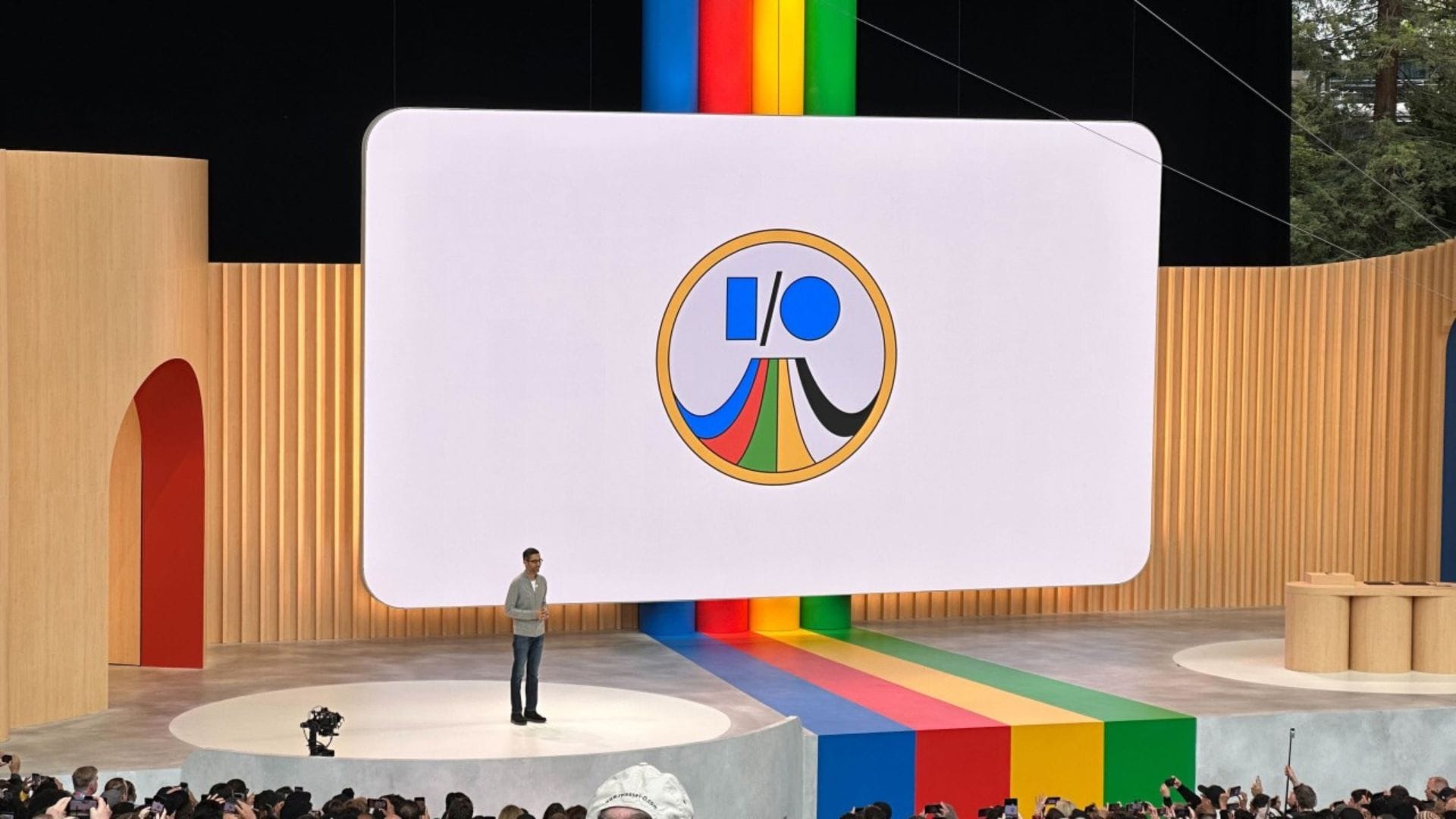
Google is preparing to host its annual developer conference, Google I/O 2026, with a strong focus expected on artificial intelligence, operating systems and emerging technologies. The two-day event is scheduled for 19–20 May. It will once again combine an in-person gathering at the company’s headquarters in Mountain View, California, with livestreamed sessions available to a global audience.
As in previous years, the main announcements are likely to take place during the opening keynote, which begins at 1 pm Eastern Time on 19 May. A separate developer keynote is also planned for later the same day. Although speculation continues ahead of the event, official details released so far suggest the company will continue expanding its AI capabilities while refining its core software platforms.
See you all at Google I/O starting May 19th! https://t.co/KgNKbb3nMu pic.twitter.com/OD6x3IYtTi
— Sundar Pichai (@sundarpichai) February 17, 2026
Google signals a strong emphasis on artificial intelligence and developer tools
Google has already indicated that artificial intelligence will dominate this year’s agenda. In a blog post published in February, the company confirmed that it plans to share its “AI breakthroughs and updates in products across the company, from Gemini to Android, Chrome, Cloud and more.”
This focus reflects the broader shift across the technology sector towards generative AI and automated workflows. Google is expected to unveil updates to its Gemini models, which underpin many of its AI-powered features. Alongside model improvements, the company has signalled that it will discuss advancements in agentic coding, a concept referring to AI systems capable of assisting developers with complex programming tasks.
The initial conference schedule also highlights several sessions dedicated to developer tools and platforms. Topics listed include updates to Google Play, improvements to Firebase, the company’s platform for building mobile and web applications, and developments within the Gemma open model family. Flutter, Google’s open-source framework for creating cross-platform applications, is also expected to receive attention through dedicated sessions.
While the schedule outlines these areas of focus, it provides limited detail on specific features or announcements. Notably, there is currently no dedicated session listed for Android XR, Google’s extended reality initiative. However, this absence does not necessarily mean the technology will be overlooked, as significant announcements are often reserved for keynote presentations rather than standard developer sessions.
Android updates and a unified operating system strategy are likely to feature
Beyond artificial intelligence, Google is widely expected to provide further insight into the next major version of its mobile operating system, commonly referred to as Android 17. Historically, Google I/O has served as the primary venue for previewing upcoming Android releases, giving developers early access to new tools and features.
Early previews allow developers to adapt their applications ahead of the public rollout, ensuring compatibility and enabling them to take advantage of new functionality. While Google has gradually shifted away from relying solely on large annual updates, favouring more frequent feature releases known as Pixel Drops, the conference remains a central platform for communicating long-term software changes.
Another potential highlight is the company’s ongoing effort to merge ChromeOS and Android into a unified platform. Reports earlier in the year suggested that this initiative, internally referred to as Aluminium OS, aims to streamline development and create a more consistent experience across laptops, tablets and mobile devices.
Such a unified platform could simplify application development by reducing the need for separate software versions across different device categories. It could also strengthen Google’s competitive position against rival ecosystems that already benefit from tightly integrated hardware and software.
In the field of artificial intelligence, observers expect further developments beyond incremental updates. A possible unveiling of Gemini 4 has been widely discussed, alongside enhancements to Veo, Google’s text-to-video generation model. The company may also expand on Project Astra, its concept for a universal AI assistant capable of performing tasks across multiple services and environments.
Hardware announcements uncertain, but surprises remain possible
While Google I/O primarily centres on software and developer technologies, hardware announcements occasionally feature in the programme. If new consumer devices are unveiled this year, industry watchers suggest they are more likely to be Android XR devices than the company’s flagship Pixel smartphones or wearables.
There’s a possibility Google could offer an early preview of the Pixel 11 series. However, the company has historically reserved full hardware launches for its dedicated autumn events, typically held in August or October. This timing also allows Google to maintain distance from major competitor launches, particularly Apple’s annual iPhone announcements, which usually take place in September.
Beyond expected announcements, there is ongoing anticipation that Google may unveil experimental technologies developed within its research division. Innovations originating from Google X, the company’s so-called moonshot laboratory, have previously introduced ambitious concepts designed to address large-scale challenges or create entirely new markets.
Observers note that these experimental showcases often generate the most excitement, even when they remain niche or early-stage projects. Demonstrations of emerging technologies, such as advanced 3D video communication systems, have in recent years captured attention and illustrated the company’s broader vision for the future of computing.
With the technology industry continuing to prioritise artificial intelligence and cross-platform integration, Google I/O 2026 is expected to reflect these trends through product demonstrations, technical sessions and strategic announcements. While many details remain unconfirmed, the conference is likely to provide clearer direction on how Google intends to evolve its ecosystem over the coming year.