

Google has announced a range of new Android features ahead of the release of Android 17 later this year, with a strong focus on user safety, artificial intelligence and everyday convenience. The updates include an enhanced scam call protection system, new AI-powered tools for Google Photos and Google Play Books, and improvements to existing services such as Circle to Search and Quick Share.
The latest additions are being rolled out gradually across supported Android devices and form part of Google’s broader effort to improve security and introduce more intelligent features throughout its ecosystem.
New caller verification aims to reduce phone scams
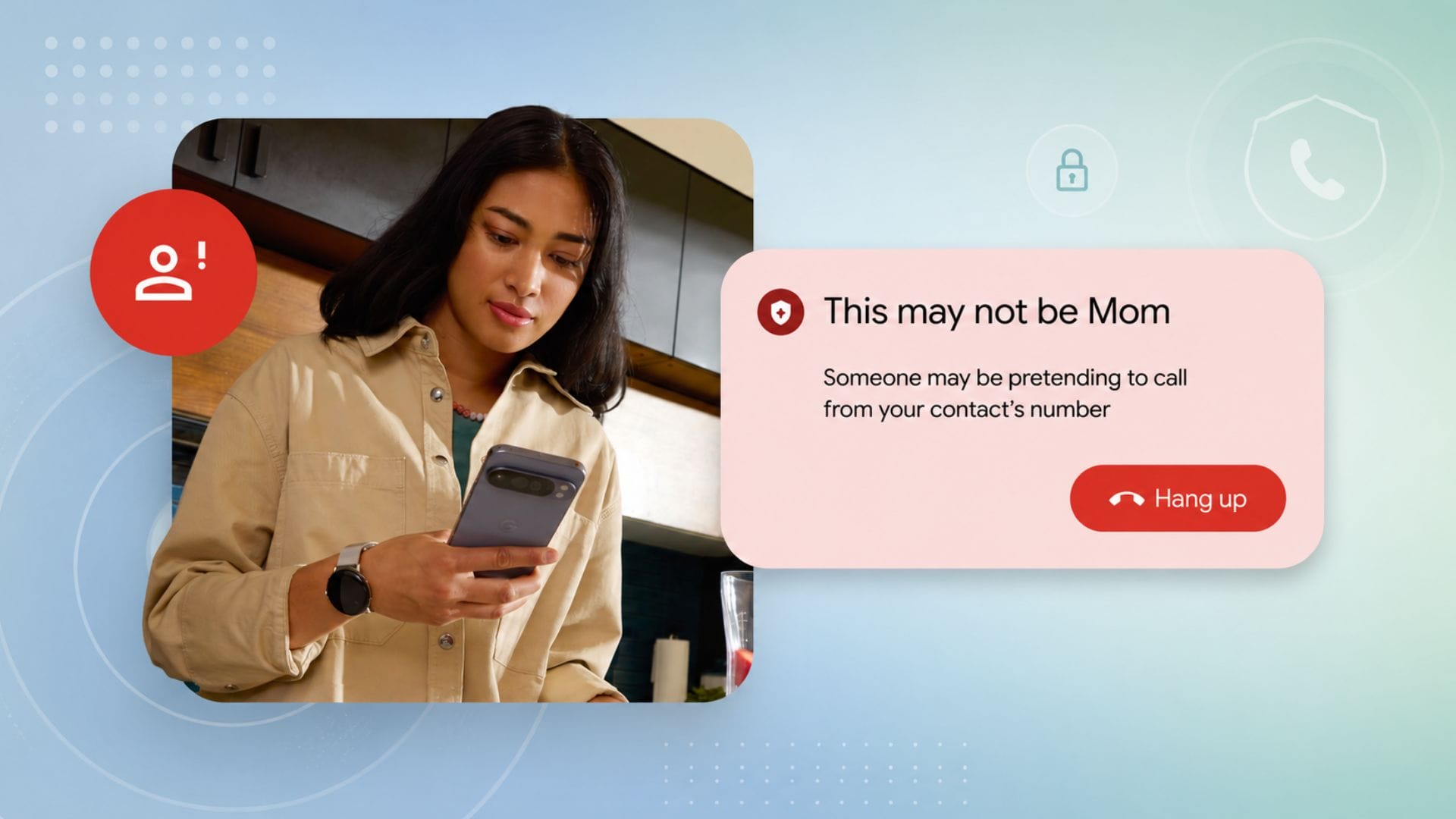
One of the most notable updates is a new caller verification system designed to help users identify when someone is pretending to be a trusted contact. The feature builds on Android’s existing scam call warnings, introduced in 2024.
The new protection is implemented via an update to Google’s Phone app. When two people using a Google Phone communicate, the caller’s device sends a secure verification signal to the recipient’s device during the call. This process helps confirm that the call is genuinely coming from the contact’s phone.
Google explained the technology in a blog post, stating: “When a contact calls you, and you’re both using Phone by Google, their device sends a silent confirmation signal in real time to your device to verify the call is legitimate and truly coming from the contact’s device.”
The company added: “Because this digital handshake uses end-to-end encrypted Rich Communication Services (RCS) technology, it is completely private.”
If the recipient’s device does not receive the verification signal, the Phone app will display a warning indicating that the caller may not be who they claim to be. Users can then choose to end the call immediately if they suspect fraudulent activity.
Google said the feature will be available on devices running Android 12 or later that use the Phone by Google application.
The company is also expanding access to its Personal Safety app. For the first time, users under 13 will be able to access the service, allowing them to display medical details and emergency contacts on their lock screen. Younger users will also gain access to safety tools such as car crash detection and other emergency features.
AI features arrive in Google Photos and Play Books
Alongside the safety updates, Google is introducing new artificial intelligence capabilities across several popular Android apps.
Google Photos is introducing a new feature called Wardrobe, which uses AI to organise and analyse clothing in a user’s photo library. The tool can identify outfits from past images and help users explore virtual try-on experiences with those items.
The company said the feature is initially being made available on selected Android devices in the United States, India and Brazil. Eligible devices must be running Android 10 or a later version.
Google Play Books is also gaining new AI-powered functionality. Readers can now access contextual information about highlighted text while reading supported titles. The feature is intended to help users better understand concepts, references and topics without leaving the book.
In addition, the application can generate summaries of reading progress, providing users with a recap of key points and events from the sections they have already completed. Google said these AI insights are currently being rolled out for selected English-language titles.
The additions reflect Google’s continued investment in generative AI and its integration into Android consumer products.
Existing Android tools receive new capabilities
Several existing Android features are also being updated as part of the latest software rollout.
Circle to Search, which allows users to search for content by circling objects on their screen, is becoming more capable. Previously, the tool could identify a single item within an image. Following the update, it can now recognise and search for multiple objects simultaneously.
Google first demonstrated the enhanced functionality on Samsung smartphones earlier this year. The improvement is intended to make visual search more useful when images contain several products, landmarks or points of interest.
The company has also expanded support for Quick Share, Android’s file-sharing service. The update extends a solution that helps Android users share files more easily in environments where Apple’s AirDrop is commonly used. More Android devices will now support the feature, improving compatibility and file-transfer options across platforms.
Meanwhile, Gboard users will gain access to additional Emoji Kitchen combinations. The feature enables users to merge different emoji characters to create unique custom stickers and expressions for messaging.
Although Android 17 is still several months away, these updates offer a preview of Google’s priorities for the platform. By combining stronger protection against scams with new AI-powered tools and enhanced productivity features, the company is continuing to expand Android’s capabilities before its next major operating system release.