

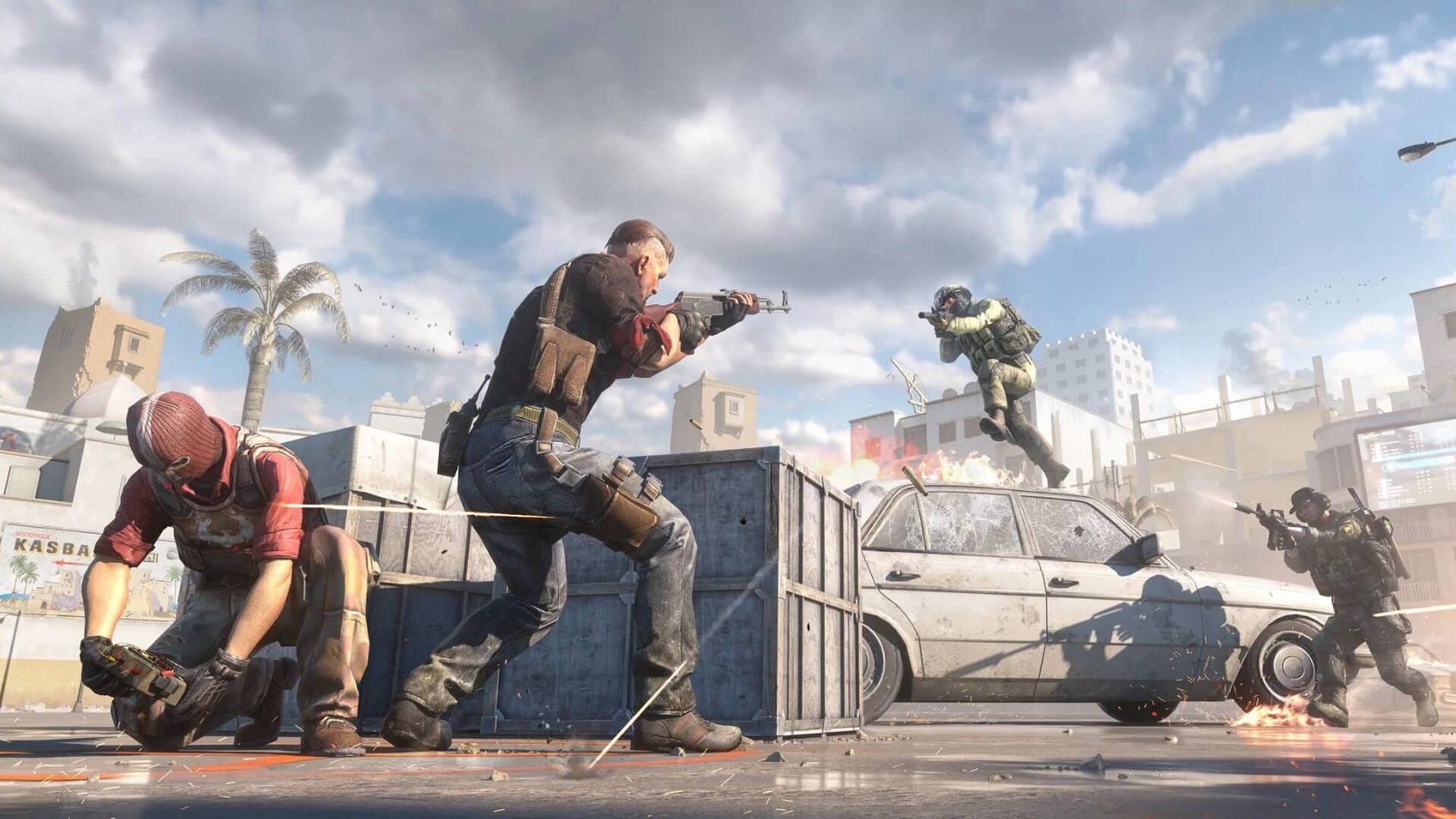
Gamers are facing a vexing issue: using AMD’s Anti-Lag feature can get you banned from Counter-Strike 2. Both the game’s developers and Valve have issued stern warnings about using this particular AMD feature.
According to VideoCardz, the Anti-Lag features manipulate the game’s DLL files, which sets off alarms in the game’s anti-cheat system.
AMD's latest driver has made their "Anti-Lag/+" feature available for CS2, which is implemented by detouring engine dll functions.
— CS2 (@CounterStrike) October 13, 2023
If you are an AMD customer and play CS2, DO NOT ENABLE ANTI-LAG/+; any tampering with CS code will result in a VAC ban.
Once AMD ships an update we…
Anti-Lag feature is not all bad news
It’s important to note that the Anti-Lag feature was introduced to benefit players by reducing latency. This feature is available in AMD’s latest Adrenalin Edition driver version 23.30.1 and is exclusive to the Radeon RX 7000-series GPUs. The intent was to improve the gaming experience. Still, it seems to have inadvertently led to a spate of bans in not only Counter-Strike 2 but also other games like Call of Duty: Modern Warfare 2, CoD: Warzone 2, and Apex Legends. AMD has yet to issue a statement on this issue.
What’s next for affected players?
Valve has said that they will begin the process of unbanning users affected by this issue once AMD releases a fix. However, there’s no clear timeline for when this will happen. So, if you’re playing Counter-Strike 2 or any of the aforementioned games, avoiding either using the latest AMD driver or rolling back to a previous version is recommended. In the AMD Radeon Software, you can turn off the Anti-Lag feature by pressing Alt+L or navigating through the gear icon > Hotkeys > and then customising the hotkey for Anti-Lag+.
It’s also advised to turn off the HYPR-RX feature in the game to prevent automatic activation of Anti-Lag+.
Players are now in a difficult spot. They’re forced to choose between potentially enhanced gaming performance and the risk of getting banned from some of their favourite titles. It’s a situation that nobody expected, causing considerable frustration among gamers.