


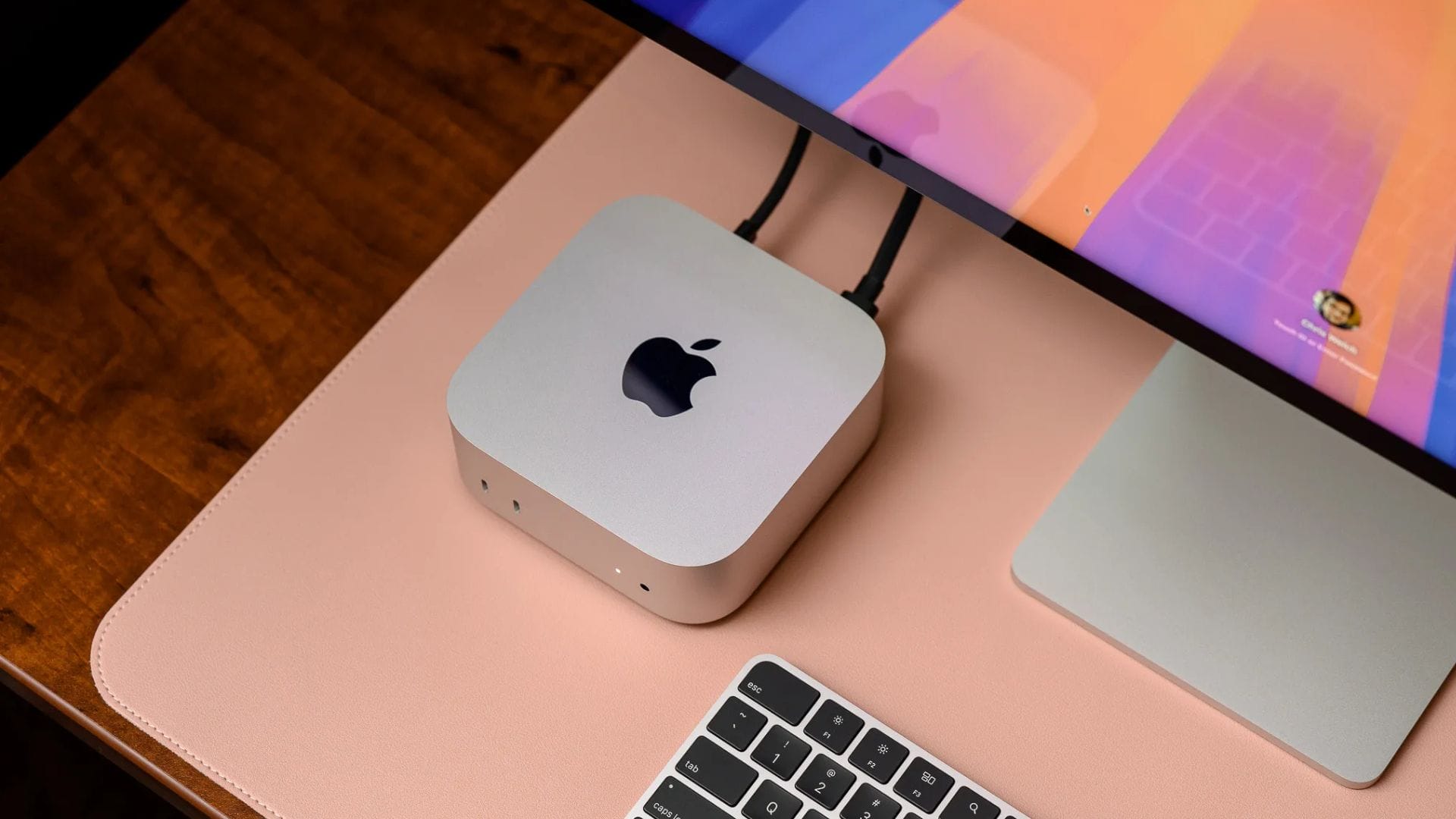
Apple is preparing to manufacture Mac mini desktop computers in the United States later this year, marking a new step in its effort to expand domestic production. The company recently showed The Wall Street Journal a large warehouse in Houston, Texas, which it plans to convert into a manufacturing plant covering about 220,000 square feet.
The facility will be operated with Foxconn, Apple’s long-time manufacturing partner, which is already building servers for Apple Intelligence at the same location. Apple said the new plant will focus on Mac mini systems intended for sale in the US market, while production for other regions will continue in Asia.
The move forms part of Apple’s pledge to invest US$500 billion in the US over the next four years. The company committed last year as it sought to strengthen its relationship with policymakers and demonstrate support for domestic manufacturing and technology development.
Investment pledges and political context
Apple’s renewed focus on US manufacturing follows a period of heightened political pressure on technology companies to bring more production back home. The company announced plans to ramp up investment and hiring in the US after chief executive Tim Cook met with President Donald Trump, who suggested that Apple’s decision was linked to a desire to avoid tariffs on imported products.
Before that pledge, Apple had already committed to investing US$430 billion in the US over five years during the Biden administration. Those earlier plans included data centres, research facilities, and manufacturing projects. However, much of Apple’s hardware production has remained overseas due to the complexity and scale of its global supply chain.
The Houston Mac mini project reflects both political and economic factors. By producing at least one Mac model domestically, Apple can highlight tangible progress in reshoring manufacturing, while limiting risk by choosing a lower-volume product. Analysts have long said that moving the production of high-demand devices such as the iPhone to the US would be extremely difficult due to costs, workforce availability, and the established infrastructure in China and other Asian countries.
Why the Mac mini is a strategic choice
Apple previously manufactured the Mac Pro in Texas, but output from that facility has declined in recent years. Sabih Khan, Apple’s chief operating officer, told The Wall Street Journal that the company feels more confident in predicting long-term demand for the Mac mini, making it a practical candidate for domestic assembly.
The Mac mini accounts for a small share of Apple’s overall sales, which makes it easier to shift production without disrupting the company’s broader supply chain. Manufacturing a lower-volume product also reduces the need for a massive workforce and extensive supplier networks, both of which are major challenges for large-scale electronics production in the US.
Khan suggested that production in Houston would start modestly and increase as demand grows. The facility is expected to meet local demand for Mac mini systems, while Apple will continue to rely on Asian manufacturing partners to supply other markets worldwide. This dual-production approach allows Apple to maintain efficiency while showcasing its commitment to US manufacturing.
The decision highlights the ongoing tension between political pressure for domestic production and the economic realities of globalised manufacturing. While the Mac mini project will create jobs and investment in Texas, most of Apple’s flagship devices are likely to remain manufactured abroad for the foreseeable future.