

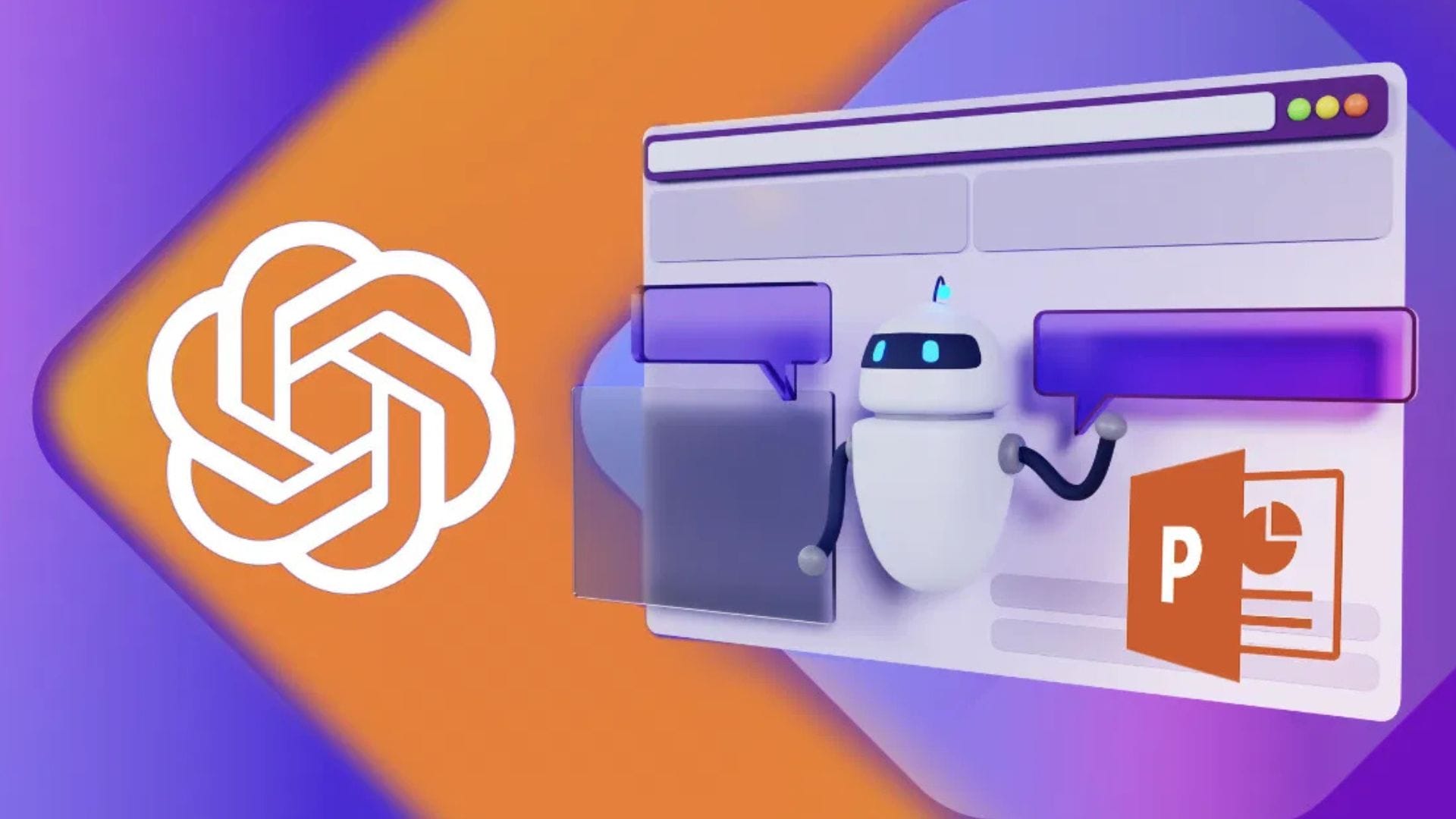
OpenAI has introduced a new feature that allows users to access ChatGPT directly within Microsoft PowerPoint, expanding the chatbot’s role across workplace productivity software. The company said the integration enables users to create, edit, and update presentation slides using natural-language prompts.
The feature is currently in beta and can be accessed by most ChatGPT users, including those on the free version of the platform and ChatGPT Business subscribers. OpenAI said the tool is designed to simplify presentation creation by allowing users to describe what they want in plain language rather than manually building slides.
Users can also pull information from connected services such as Gmail, Outlook and SharePoint. This allows the chatbot to automatically gather and organise content from emails, documents and other files when preparing presentations.
OpenAI strengthens its workplace software presence
The addition of PowerPoint support marks another step in OpenAI’s broader effort to position ChatGPT as a workplace productivity assistant. The company has already integrated the chatbot into several business tools, including Microsoft Excel and Google Sheets.
With the PowerPoint launch, users can now rely on ChatGPT to generate presentation outlines, suggest slide layouts, and revise existing content without leaving the Microsoft application. The feature operates through conversational prompts, allowing users to request edits or entirely new presentations using simple instructions.
The move also places OpenAI in more direct competition with rival AI firms that have been expanding into productivity software. Anthropic introduced a similar feature for its Claude chatbot in September, while Google continues to build AI tools into its Slides platform through Gemini.
Industry observers have noted that PowerPoint has remained one of the more noticeable gaps in OpenAI’s growing portfolio of productivity integrations. By adding support for one of the world’s most widely used presentation tools, the company is broadening ChatGPT’s appeal among corporate and everyday users.
Competition intensifies among AI productivity platforms
The rapid growth of generative AI tools has led technology companies to compete more aggressively for market share in workplace software features. AI assistants are increasingly being promoted as tools that can automate repetitive office tasks, summarise information and create professional documents with minimal effort.
OpenAI’s latest release notes reflects a wider industry trend in which AI services are becoming embedded directly into existing software rather than functioning as standalone chatbots. Presentation software has become a particularly important battleground, as companies attempt to reduce the time employees spend preparing reports, meetings and sales materials.
Anthropic’s Claude platform has already offered presentation support for several months, while Google has focused on integrating Gemini into its productivity ecosystem. Microsoft, which has invested heavily in OpenAI, has also been incorporating AI features into its Office products through Copilot.
Despite increasing competition, OpenAI continues to rapidly expand ChatGPT’s capabilities. Analysts believe these updates are intended to strengthen the company’s position ahead of any future public offering, with reports suggesting that OpenAI could pursue a highly valued IPO in the coming years.
AI tools continue to reshape office work
The latest PowerPoint integration highlights how AI tools are changing the way office software is used. Instead of manually designing slides or reorganising information, users are increasingly able to rely on AI systems to complete tasks through written or spoken instructions.
For businesses, the appeal lies in speed and convenience. Employees can produce presentation drafts more quickly, while teams can reduce time spent on formatting and content preparation. The ability to connect external services such as Gmail, Outlook and SharePoint also allows AI systems to work with existing company information.
At the same time, the growing number of AI-powered workplace tools is raising questions about how companies will manage accuracy, privacy and oversight. While OpenAI has promoted ChatGPT as a productivity aid, organisations are continuing to assess how such systems should be used in professional settings.
Even so, demand for AI features in office software continues to grow. As technology firms compete to offer more advanced tools across spreadsheets, documents and presentations, users are likely to see even deeper AI integration across the software they already use every day.