


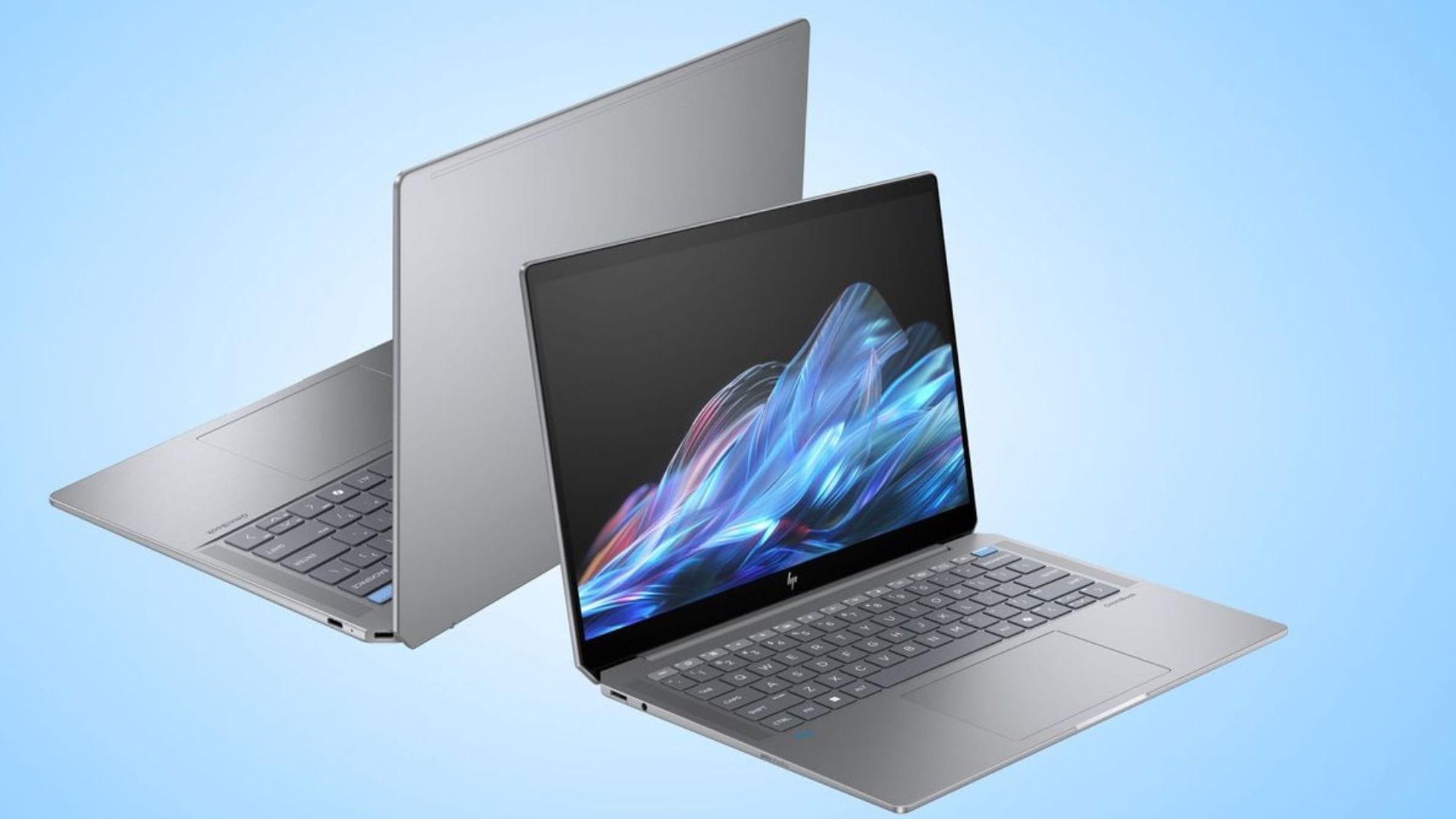
Global PC shipments saw a strong rise in the first quarter of 2025 as many companies rushed to move products ahead of expected US tariffs. At the same time, more people are choosing PCs that include AI features, helping drive further demand.
Data from Counterpoint Research shows that global PC shipments grew by 6.7% year-on-year, reaching 61.4 million units in Q1 2025. This growth comes after a slower year for the PC market and signals a short-term boost, thanks to market changes and new technology.
Surge driven by AI-enabled devices and tariff concerns
The shipments rose as manufacturers tried to avoid extra costs from new US tariffs. These trade rules are expected to make it more expensive to bring goods from countries like China and India into the US, so companies moved quickly to ship their products early.
At the same time, interest in AI-enabled PCs is growing. Many users are now looking for machines that can better handle AI tasks, such as faster photo editing or smarter search tools. This new demand has helped some brands stand out in a competitive market.
Apple saw the biggest year-on-year growth, with a 17% shipment increase. This success was mostly due to the new MacBook Air (M4) launch in March. The company even flew five full cargo planes from India and China to the US in late March to make sure products were available on time.
Lenovo followed closely with an 11% rise in shipments. It has focused on expanding its AI-enabled PC lineup while offering various products to meet customer needs.
Lenovo holds the lead in global market share
Lenovo remained the world’s top PC maker during the first quarter of 2025, holding a 25% market share. HP came in second with 21%, while Dell secured third with 16%. Apple followed in fourth place, holding 10% of the market.
These four companies continue to lead the industry, although their positions may shift as technology changes and customer preferences evolve. For now, Lenovo’s broad product range and early move into AI features have helped it stay ahead.
Growth may slow in the months ahead
While Q1 2025 showed strong numbers, experts believe this growth will be short-lived. Prices are expected to rise as shipments return to normal levels and the new tariffs take full effect, which could cause a slowdown in sales throughout the year.
Supply chains are also under pressure, with ongoing trade issues making it harder for companies to plan and deliver products smoothly. As a result, many in the industry expect shipment numbers to drop back or grow more slowly in the coming quarters.
For now, though, the PC market is enjoying a brief moment of strong growth, with technology trends and global politics shaping what you see on store shelves.