


Saturday, 27 December 2025
26.9 C
Singapore
22.5 C
Thailand
20.9 C
Indonesia
26.1 C
Philippines

Google ends production of Chromecast

[output_post_excerpt]

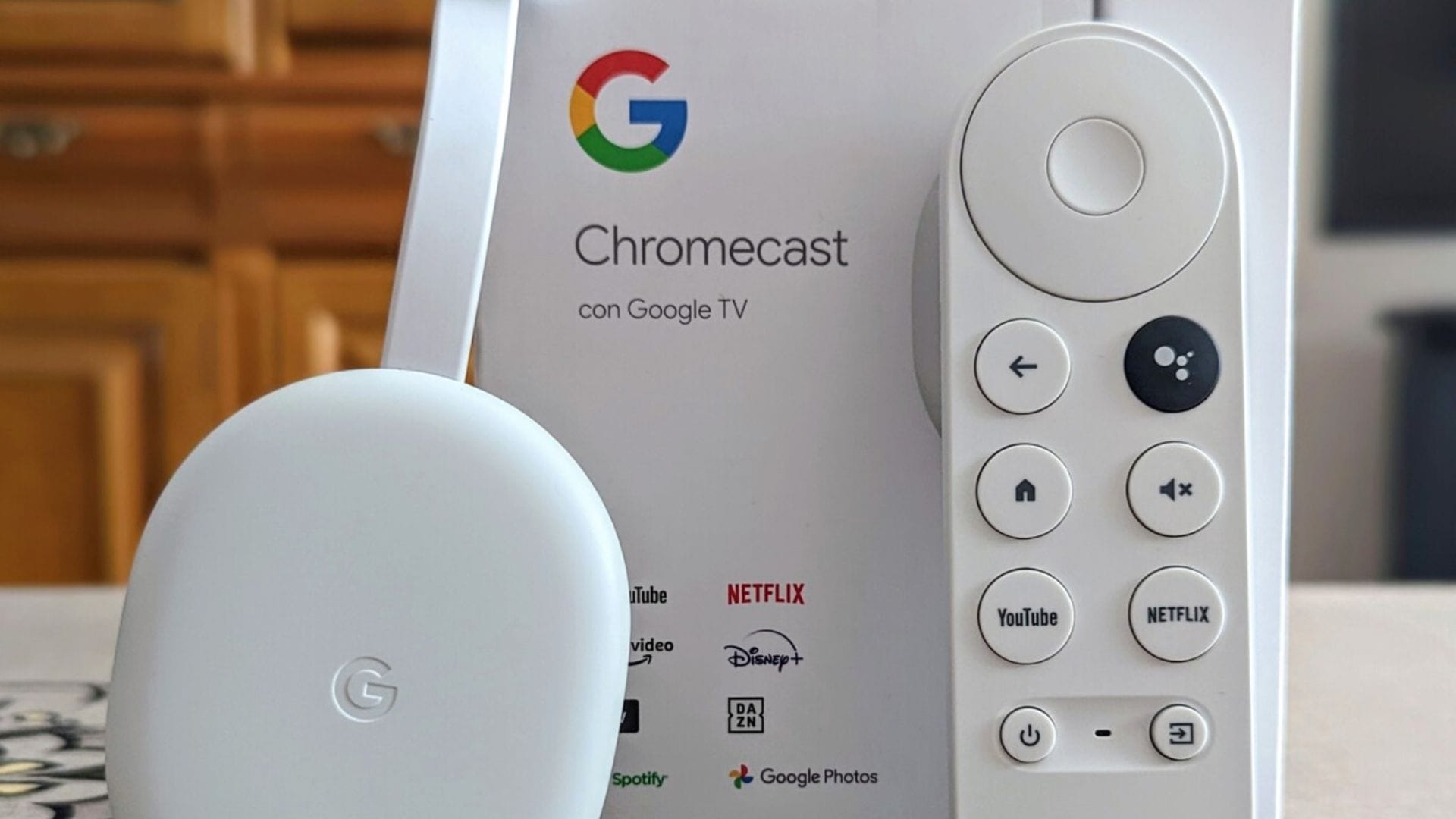
Google has announced that it will no longer produce its Chromecast devices. In a post on Tuesday, Google revealed its decision to “end production of Chromecast” after more than a decade of offering the streaming dongles to consumers.

However, Chromecast devices will still be available for purchase “while supplies last.” Google has assured users that it will continue to provide software and security updates to its newer devices, though it did not specify which models would receive these updates. The latest addition to the Chromecast family was the Chromecast with Google TV, released in 2022.

Evolution of technology

Google highlighted the significant technological advancements since the original Chromecast launched in 2013. The company noted its substantial investment in integrating Google Cast technology into millions of TV devices, including Android TV. “We are taking the next step in evolving how streaming TV devices can add even more capabilities to your smart TV, built on top of the same Chromecast technology,” Google stated.

Introducing the Google TV Streamer

To replace Chromecast, Google introduced the Google TV Streamer, priced at US$99.99. This new set-top box is set to launch on September 24. It boasts several upgrades over the Chromecast with Google TV, including a 22 per cent faster processor and support for Thread and Matter integration. These enhancements position the Google TV Streamer as a formidable competitor to more expensive options like the Apple TV 4K.

The end of an era

The discontinuation of the Chromecast marks the end of an era for a device that provided affordable entry-level access to streaming services. At just US$29.99, the Chromecast with Google TV was an all-in-one streaming hub that many found accessible and convenient. While the Google TV Streamer offers significant improvements, some users may need to catch up on the simplicity and affordability of the original Chromecast.

Hot this week

IATA raises concerns over potential 5G interference with aviation systems

IATA warns uneven global 5G rules could pose aviation risks, even as Singapore reports no interference with aircraft systems.

Square Enix releases Final Fantasy VII Remake Intergrade demo on Switch 2 and Xbox

Free demo for Final Fantasy VII Remake Intergrade launches on Switch 2 and Xbox, letting players carry progress into the full 2026 release.

Google delays Gemini takeover from Assistant on Android until 2026

Google has delayed replacing Google Assistant with Gemini on Android, extending the transition into 2026 as technical challenges persist.

AI designs a Linux computer with 843 parts in a single week

Quilter reveals a Linux computer designed by AI in one week, hinting at a future where hardware development is faster and more accessible.

Samsung unveils Exynos 2600 as first 2nm mobile processor

Samsung unveils the Exynos 2600, the world’s first 2nm mobile chip, expected to debut in the Galaxy S26 in early 2026.

How Southeast Asia’s smart cities can unlock the next wave of AI with real-time, connected data

How Southeast Asia’s cities can use real-time, connected data to unlock AI-driven operations, improve resilience, and enhance urban services.

Square Enix releases Final Fantasy VII Remake Intergrade demo on Switch 2 and Xbox

Free demo for Final Fantasy VII Remake Intergrade launches on Switch 2 and Xbox, letting players carry progress into the full 2026 release.

AI designs a Linux computer with 843 parts in a single week

Quilter reveals a Linux computer designed by AI in one week, hinting at a future where hardware development is faster and more accessible.

Super Mario Bros inspired Hideo Kojima’s path into game development

Hideo Kojima reveals how Super Mario Bros convinced him that video games could one day surpass movies and led him into game development.

Related Articles