

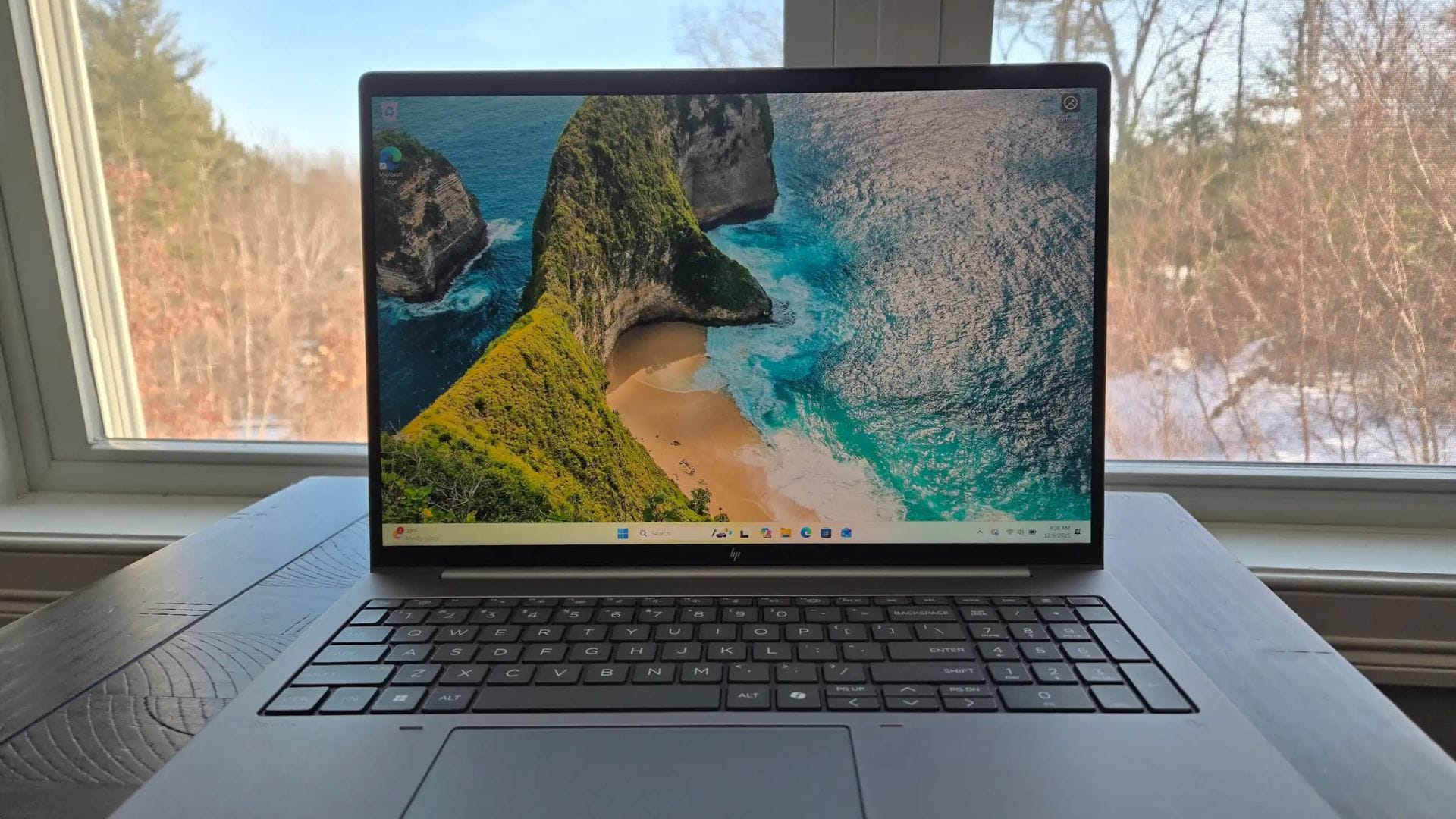
HP has begun rolling out its latest ZBook mobile workstations worldwide, unveiling two high-end laptops designed for professionals working in creative, engineering, development, and enterprise environments. The new models include the 14-inch ZBook 8 G2a, powered by AMD Ryzen AI processors, and the larger 16-inch ZBook X G2i, equipped with Intel Panther Lake chips and Nvidia RTX Pro Blackwell graphics.
The launch reflects a wider shift in the workstation market, where artificial intelligence capabilities are becoming a key selling point alongside traditional processing performance. HP’s latest systems place a strong emphasis on AI acceleration, advanced graphics handling, and premium display technology as businesses increasingly adopt AI-assisted workflows.
HP introduces AI-powered workstation laptops
The ZBook 8 G2a was initially introduced earlier this year as the successor to the ZBook 8 G1. Although HP originally indicated that both Intel- and AMD-powered configurations would be released around the same time, AMD-powered configurations are currently the primary models available in global markets.
In the United States, the ZBook 8 G2a starts at approximately US$2,796. The entry-level configuration includes an AMD Ryzen AI 5 Pro processor, 16GB of RAM, a 512GB solid-state drive, and a 1200p IPS display. Customers can also configure the device with more advanced Ryzen AI 7 Pro and Ryzen AI 9 HX Pro processors, up to 64GB of DDR5 memory, and up to 2TB of PCIe Gen 5 storage.
HP is also offering several display options aimed at professional users. These include a higher-resolution 1600p panel with a 120Hz variable refresh rate, as well as brighter 800-nit screens intended for outdoor use and colour-sensitive creative tasks. The company appears to be targeting professionals who require both portability and workstation-level performance in a smaller form factor.
However, the more advanced configurations cost significantly more. Fully upgraded versions of the ZBook 8 G2a can reportedly exceed US$8,000 once additional storage, memory, premium displays, and higher-tier processors are included. The pricing places the device firmly within the premium workstation category rather than the broader consumer laptop market.
Alongside the compact model, HP has also introduced the larger ZBook X G2i in the United States. This version is positioned more directly towards users with graphics-intensive workloads, including rendering, AI model development, and advanced content production.
Larger ZBook X G2i focuses on graphics and AI workloads
The ZBook X G2i combines Intel’s upcoming Panther Lake processors with Nvidia RTX Pro Blackwell graphics cards. Processor options range from Intel Core Ultra 5 and Core Ultra 7 chips up to the Core Ultra 9 386H processor, depending on the selected configuration.
Graphics options include Nvidia RTX Pro 500, RTX Pro 1000, and RTX Pro 2000 Blackwell GPUs. These components are designed to support demanding professional workloads that rely heavily on graphics acceleration and AI processing capabilities.
HP has equipped the ZBook X G2i with support for up to 64GB of RAM and 2TB of SSD storage. Every configuration also includes a 96Wh battery intended to support extended productivity sessions despite the system’s high-performance hardware requirements.
Some laptop variants feature a 1600p display with a 120Hz refresh rate, offering smoother visuals for creative applications and high-performance workflows. The company expects shipments of the workstation to begin in early July.
Pricing for the ZBook X G2i starts at around US$3,609 in the United States. However, higher-end configurations equipped with more powerful processors and graphics hardware can reportedly rise beyond US$10,000. The pricing reflects the growing cost of enterprise-grade hardware as manufacturers incorporate AI-focused components and increasingly sophisticated thermal and display systems.
The launch of the two systems highlights the increasing importance of dedicated AI hardware in professional computing devices. Manufacturers are no longer focusing solely on central processing power; AI acceleration is now a standard feature in many productivity-oriented systems.
AI hardware continues to reshape the workstation market
HP’s latest workstation strategy demonstrates how rapidly the professional laptop sector is evolving in response to growing interest in AI-powered applications. Workstations are increasingly being designed to handle tasks such as machine learning, AI-assisted creative production, advanced rendering, and hybrid productivity workloads.
The inclusion of AMD Ryzen AI processors, Intel Panther Lake chips, and Nvidia Blackwell GPUs reflects wider industry trends, with major chipmakers racing to deliver hardware capable of handling AI processing directly on local devices. This shift is expected to influence future generations of enterprise laptops and mobile workstations across the industry.
At the same time, the new ZBook models underline the rising cost of premium computing hardware. Features such as AI-enabled processors, high-refresh-rate displays, enterprise-grade graphics cards, and advanced cooling systems are contributing to significantly higher prices for flagship workstation laptops.
Industry analysts expect more AI-focused professional devices to enter the market later this year as Intel continues to roll out its Panther Lake platform and hardware manufacturers expand their AI product portfolios. HP is also expected to introduce the new ZBook systems into additional international markets over the coming months.
For now, HP’s latest launches signal a broader transition in the workstation sector, where AI performance is becoming just as important as traditional productivity and graphics capabilities.