

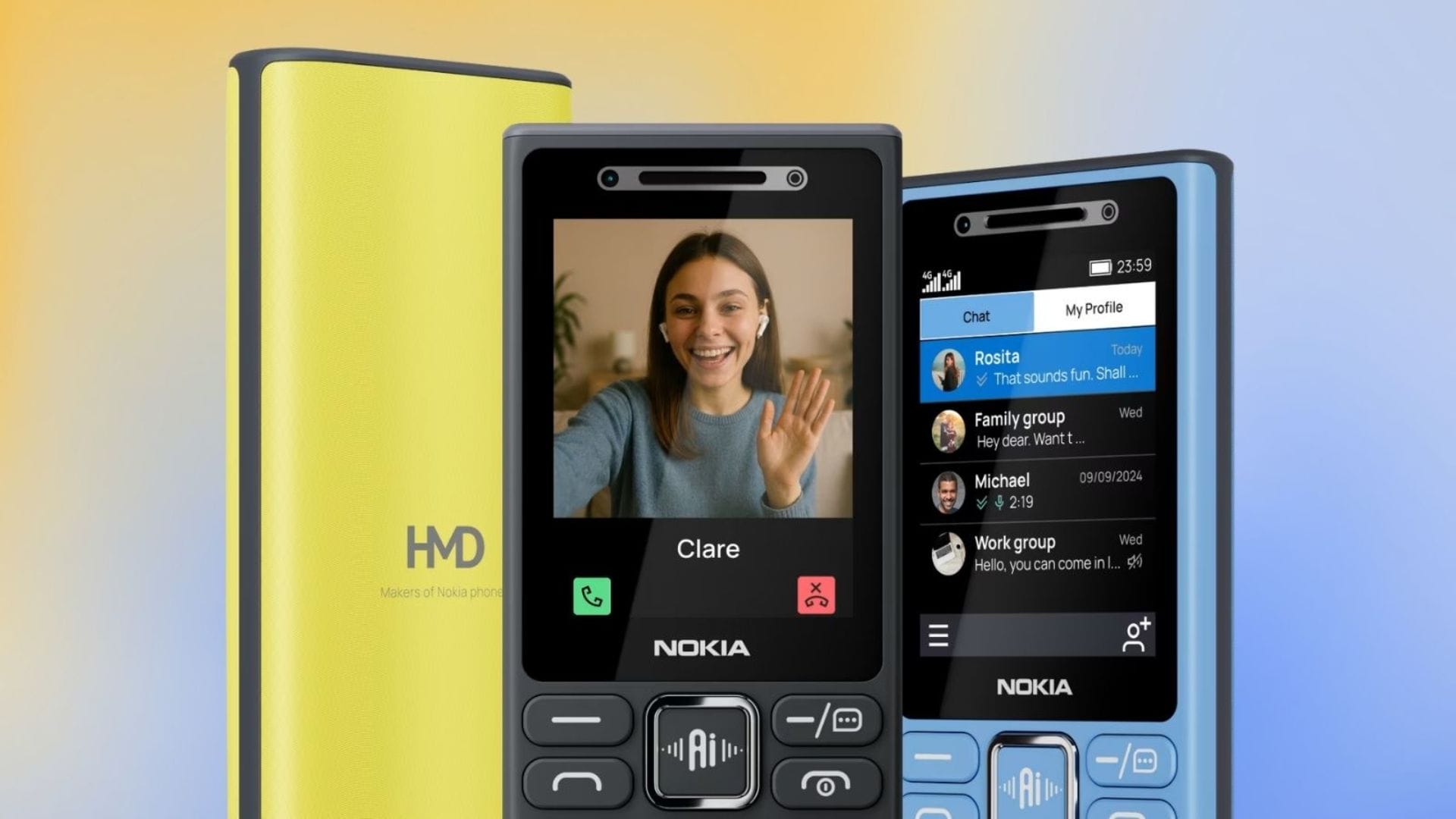
HMD Global has unveiled four new Nokia-branded feature phones that combine traditional mobile phone functions with a built-in artificial intelligence assistant. While the devices retain many classic features associated with older Nokia handsets, the addition of a dedicated AI button has prompted mixed reactions from users online.
The new lineup includes the Nokia 210 4G, Nokia 215 4G 2nd Edition, Nokia 235 4G 2nd Edition and Nokia 200 4G. Although these models are classified as feature phones rather than smartphones, they introduce several modern capabilities alongside their familiar design.
Classic design meets AI features
The latest Nokia feature phones continue the company’s focus on simple, durable devices aimed at users who prefer essential mobile functions over full smartphone experiences. Each handset includes 4G connectivity and retains several long-standing hardware features that have largely disappeared from modern smartphones.
Among those features are a 3.5mm headphone jack and support for expandable storage through a microSD card. Most of the new models also include an FM radio, except for the Nokia 200 4 G. These additions are likely to appeal to users seeking reliable everyday phones with familiar functionality.
The most notable change, however, is the inclusion of a dedicated AI button positioned on the front of each handset. Pressing the button launches an assistant powered by Sikey AI, enabling users to perform common phone tasks via voice commands rather than navigating menus.
According to HMD, the AI assistant can place phone calls, switch on the flashlight, open the camera, set alarms and create reminders. It can also respond to simple requests, including suggesting basic recipes or providing example phrases in another language. While the company has not revealed detailed technical information, the available functions suggest the assistant relies on a lightweight AI model with cloud-based support for certain requests.
AI service comes with a time limit
Although the AI assistant adds a modern element to the feature phone experience, HMD has confirmed that access to the service is free for the first 180 days. The company has not yet disclosed subscription pricing or explained what features, if any, will remain available once the trial period ends.
The lack of information surrounding the service has raised questions about its long-term value. It is also unclear whether the AI assistant requires a constant internet connection or whether some commands can be processed locally.
Beyond the AI functions, the new handsets include communication features that go beyond what is typically expected from feature phones. Through the Xpress Chat platform, users can make video calls and send voice messages, bringing capabilities more commonly found on entry-level smartphones.
Despite these additions, HMD has yet to announce official pricing or confirm the markets where the new phones will be sold. More details are expected closer to their commercial release.
Online reaction questions the need for AI
The decision to integrate artificial intelligence into feature phones has generated debate among technology enthusiasts, particularly on Reddit, where many users questioned whether the feature matches the expectations of the target audience.
Several commenters argued that people who intentionally choose feature phones generally do so to avoid unnecessary software features and distractions found on smartphones. As a result, they suggested that adding a dedicated AI button runs counter to the simplicity that has traditionally defined the category.
Some users described the feature as “dumb”, “out of touch”, and “useless”, expressing the view that practical improvements such as longer battery life or lower prices would have been more valuable additions. Others questioned whether an AI subscription would make sense for customers purchasing an affordable feature phone.
At the same time, the AI assistant could appeal to users looking for a balance between classic mobile phones and selected smart features. Voice-controlled shortcuts for common tasks may prove useful for some users, particularly those who prefer a simplified interface without installing numerous applications.
The launch reflects a wider trend across the mobile industry, where manufacturers continue to introduce AI-powered tools across a broad range of devices. Whether this approach will resonate with feature phone buyers remains uncertain. Still, HMD’s latest Nokia models demonstrate that artificial intelligence is beginning to reach even the most basic categories of mobile phones.