


NVIDIA has introduced an update to its DLSS 4.5 technology, adding new features to improve gaming performance on its RTX 50 series graphics cards. The latest release builds on the Super Resolution feature launched earlier this year, focusing on increasing frame rates and delivering smoother gameplay across a range of display types.
The update includes two main additions: Dynamic Multi-Frame Generation and Multi-Frame Generation 6X. Together, these features are designed to enhance visual performance while maintaining image quality and responsiveness. NVIDIA stated that the improvements are intended to support high-refresh gaming experiences, including 4K displays running at 240Hz and lower-resolution monitors reaching 360Hz or higher.
New features target smoother and faster gameplay
Dynamic Multi-Frame Generation introduces an adaptive approach to frame generation. NVIDIA compared the feature to an “automatic transmission”, as it adjusts frame output in real time rather than relying on a fixed multiplier. The system uses artificial intelligence to balance refresh rate, image clarity, and input responsiveness based on each game’s demands.
A key aspect of this feature is its ability to align performance with a monitor’s native refresh rate. By doing so, it avoids unnecessary processing, such as generating 240 frames per second on a display limited to 120Hz. This approach helps optimise GPU usage while maintaining a consistent, smooth visual experience.
The second addition, Multi Frame Generation 6X, is aimed at users seeking higher levels of performance. Built on NVIDIA’s second-generation transformer model, the feature increases the frame generation multiplier to six times the original output. This means the system can create up to five additional frames for every frame rendered natively by the GPU.
According to NVIDIA, this enhancement can increase 4K frame rates by up to 35%, with only a minimal effect on responsiveness. Improvements to frame pacing and image quality have also been included, helping to ensure that the additional frames integrate smoothly into gameplay without noticeable disruption.
AI-driven rendering brings benefits and limitations
Like earlier versions of DLSS, the new features do not directly increase a game’s native rendering speed. Instead, they rely on artificial intelligence to generate intermediate frames that simulate what would appear between traditionally rendered frames. This process, known as interpolation, allows games to appear smoother without placing a significant additional load on hardware.
In most cases, this method delivers convincing results. However, it can sometimes introduce visual inconsistencies, particularly in scenes with fine or complex details. Elements such as rain, strands of hair, or thin wires may occasionally exhibit artefacts as the AI system attempts to predict motion and detail that were not originally rendered.
Despite these limitations, the technology offers a practical way to improve perceived performance without requiring major increases in raw processing power. By offloading part of the workload to AI-driven processes, users can achieve higher frame rates while maintaining relatively stable system performance.
NVIDIA has emphasised that these enhancements are part of its broader effort to push the boundaries of real-time graphics, particularly in demanding scenarios such as path-traced gaming. The company described the update as enabling the “smoothest path-traced gaming yet”, highlighting its focus on combining visual fidelity with fluid gameplay.
Availability and supported titles
The DLSS 4.5 update with Multi Frame Generation features is now available for systems equipped with RTX 50 series graphics cards. Support for the technology is being rolled out across a growing number of games, with several titles already confirmed to include compatibility.
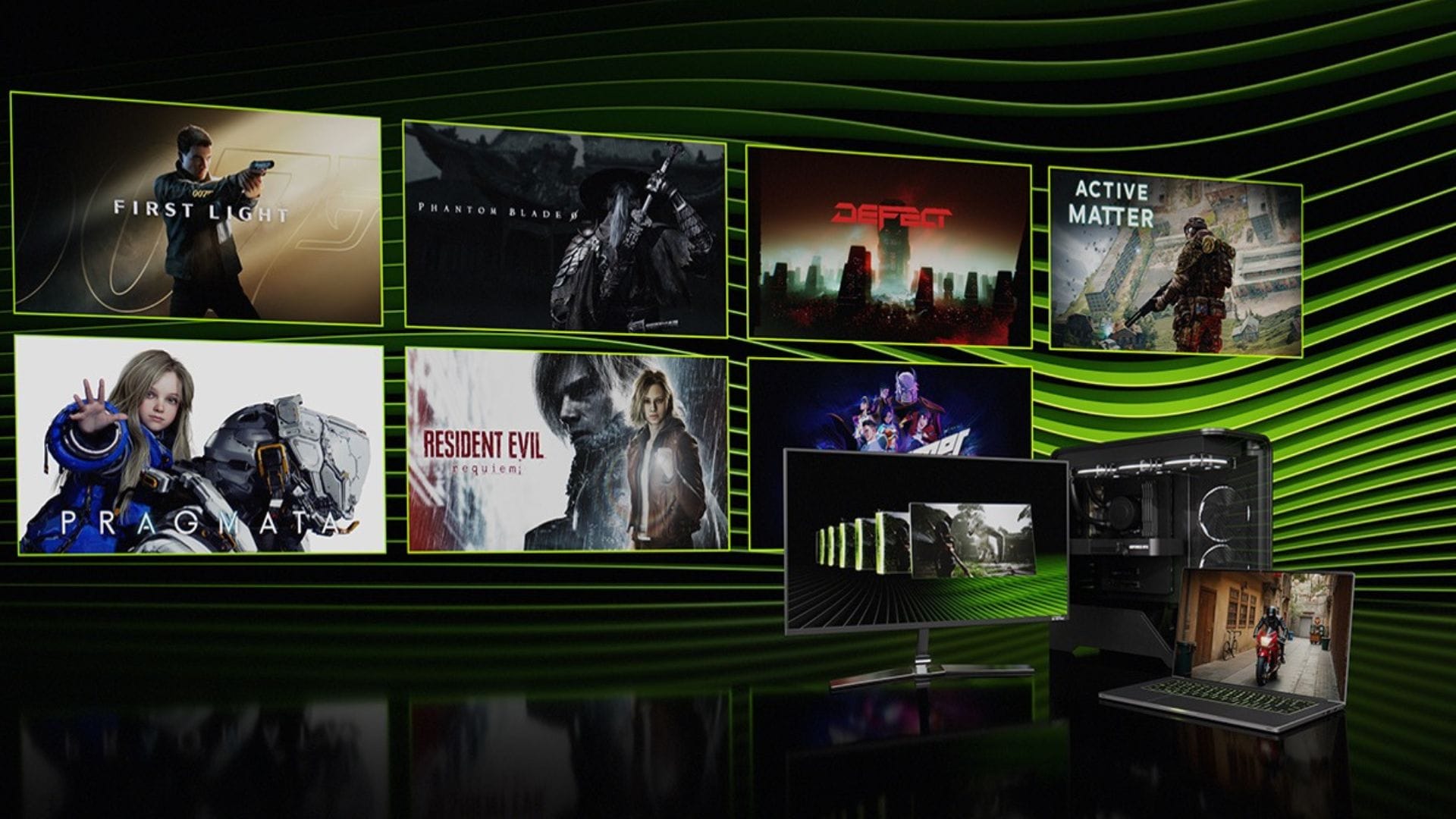
Among the games set to support the new features are 007 First Light, scheduled for release on 27 May, Directive 8020, arriving on 12 May, and other titles such as Control Resonant and Tides of Annihilation. These games are expected to take advantage of enhanced frame generation capabilities to deliver smoother, more responsive gameplay.
The introduction of these features reflects a continuing trend in the gaming industry towards AI-assisted rendering techniques. As display technology advances and refresh rates continue to rise, tools such as DLSS are becoming increasingly important in bridging the gap between hardware limitations and user expectations.
NVIDIA’s latest update positions its RTX 50 series as a platform capable of supporting next-generation gaming demands, particularly for players using high-refresh monitors. While challenges remain in ensuring consistent visual quality across all scenarios, the company’s approach suggests that AI will play an even greater role in shaping the future of real-time graphics.