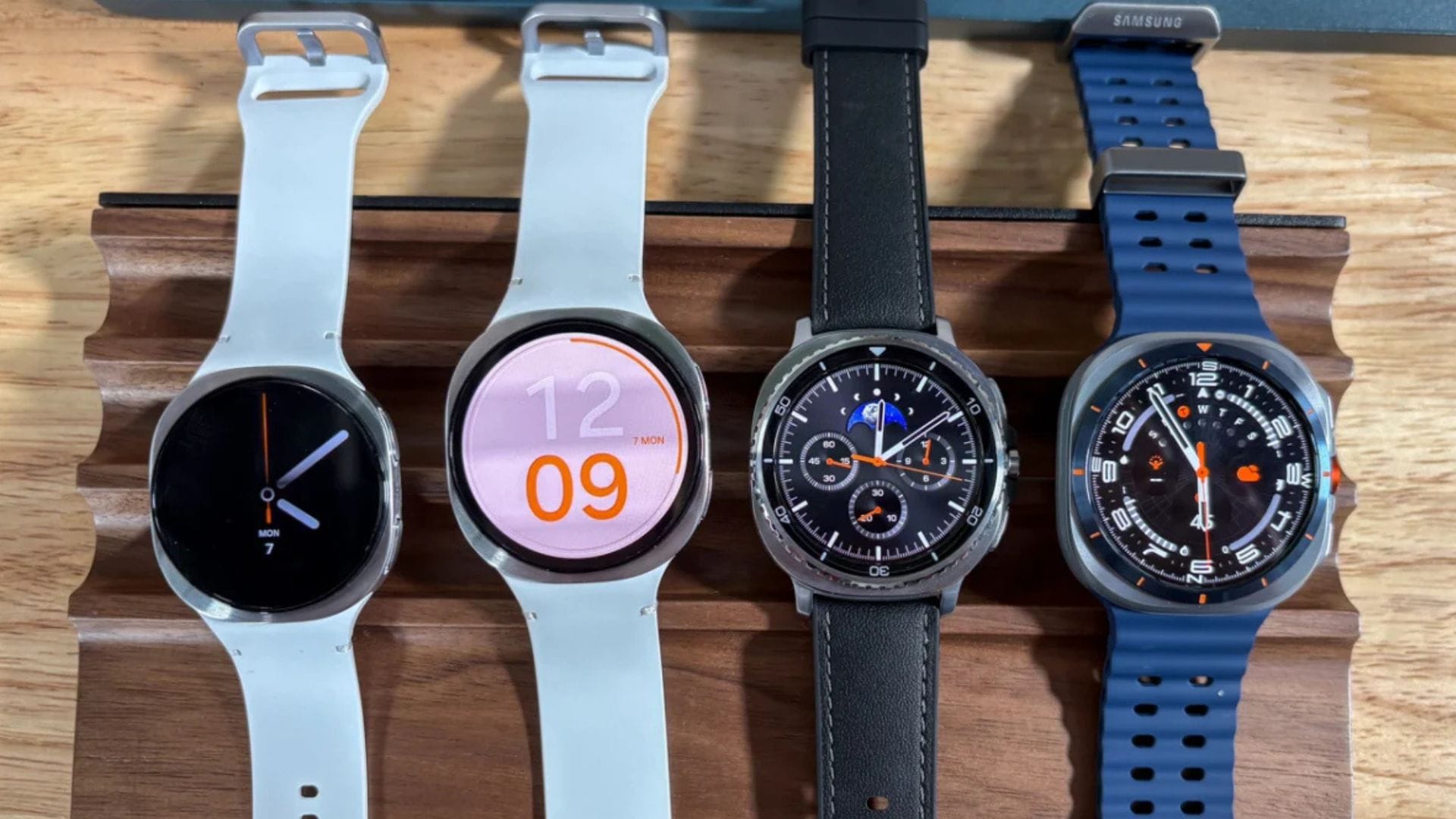
Samsung is working with the Massachusetts General Hospital Diabetes Research Centre to examine whether wearable devices can help people taking GLP-1 medications reduce muscle loss. The research will use the Galaxy Watch 8 and Samsung Health platform to monitor body composition, heart rate and physical activity among participants beginning treatment with drugs such as Ozempic.
The company said the study will investigate whether biometric data collected through wearable technology could support patients using GLP-1 medications for Type 2 diabetes and weight management. Samsung cited research from health policy organisation KFF, which found that almost one in five adults in the United States has used a GLP-1 drug at some stage.
Interest in the long-term effects of GLP-1 medications has increased sharply as the drugs become more widely used. While they have proved effective for weight loss and diabetes management, medical experts continue to study their broader impact on the body. One emerging concern is the reduction of muscle mass experienced by some patients during treatment.
According to Dr David N. Brennan of the Mayo Clinic, more than 30 per cent of the weight lost while using GLP-1 drugs may come from muscle tissue. Although muscle loss can occur with many forms of weight reduction, researchers are concerned that some patients may not regain lost muscle after stopping treatment and regaining weight.
Study focuses on wearable monitoring
Dr Melissa Putman will lead the research project from the Massachusetts General Hospital Diabetes Research Centre. It will involve 100 adults who are beginning GLP-1 treatment. Participants will be divided into two separate groups during the trial.
One group will use the Galaxy Watch 8 to monitor body composition using Bioelectrical Impedance Analysis. The device will also track physical activity and provide personalised exercise guidance intended to reduce muscle loss during treatment. The second group will receive standard advice commonly provided to patients taking GLP-1 medications.
Researchers will use clinical-grade DXA scans to measure changes in body composition throughout the study. By comparing results between the two groups, the team hopes to determine whether wearable devices can help patients maintain muscle mass while taking the medication.
Samsung said the study is designed to assess the feasibility of combining wearable data with clinical care. The company believes continuous monitoring could give doctors additional information about patient health and improve treatment decisions.
Dr Putman said, “Many GLP-1 patients struggle with muscle mass loss, a common side effect that can cause an increased risk of cardiovascular disease and a drop in basal metabolic rate, which can lead to future weight regain.”
She added, “We’re interested in exploring how continuous data from a wearable device can provide invaluable insights into a patient’s activity levels, heart rate and body composition, giving clinicians a more holistic view of treatment impact and allowing for more timely, data-driven adjustments to their care plan.”
Researchers highlight concerns over muscle loss
Several medical researchers have raised concerns about muscle loss linked to GLP-1 treatment in recent years. Scientists from the University of Virginia previously studied the effects of these drugs on lean body mass and warned that the issue could affect long-term health outcomes.
The researchers stated that muscle, particularly axial muscle, plays an important role in posture, movement and general physical function. They warned that reduced lean body mass may increase the risk of cardiovascular disease and lower overall quality of life.
Medical experts have noted that preserving muscle is especially important for older adults and patients already at risk of weakness or mobility problems. Although exercise and nutrition are often recommended alongside GLP-1 treatment, researchers are still evaluating the most effective ways to prevent muscle decline during weight loss.
Samsung’s partnership with Massachusetts General Hospital reflects a broader trend among technology companies seeking to expand the health monitoring capabilities of wearable devices. Smartwatches and fitness trackers are increasingly being positioned as tools that can support preventative healthcare and long-term condition management.
The company has invested heavily in health-focused features for its wearable products over the past few years. Samsung said it sees opportunities for devices such as the Galaxy Watch series to support both patients and clinicians through continuous data collection and personalised insights.
Samsung expands health research partnerships
Samsung has regularly collaborated with hospitals and universities to study how wearable technology can support medical research and healthcare monitoring. The company has previously worked with Stanford University to improve sleep apnoea detection features on its devices.
More recently, Samsung announced research conducted with Chung-Ang University Gwangmyeong Hospital in South Korea that used wearable data to predict fainting episodes with high accuracy. These partnerships form part of the company’s wider strategy to strengthen the health and wellness capabilities of its products.
The growing popularity of GLP-1 drugs has created new opportunities for healthcare technology companies. As more patients turn to treatments such as Ozempic for diabetes and weight management, demand for tools to monitor side effects and support overall health is also increasing.
Industry analysts expect wearable devices to play a larger role in healthcare over the coming years, particularly as artificial intelligence and biometric tracking become more advanced. However, experts caution that further clinical studies will be necessary before wearable devices can be fully integrated into standard treatment plans.
Samsung has not said when the study’s results are expected to be published. The research will focus on whether wearable technology can provide meaningful clinical support for people using GLP-1 medications and whether continuous monitoring can help address one of the treatment’s most closely watched side effects.