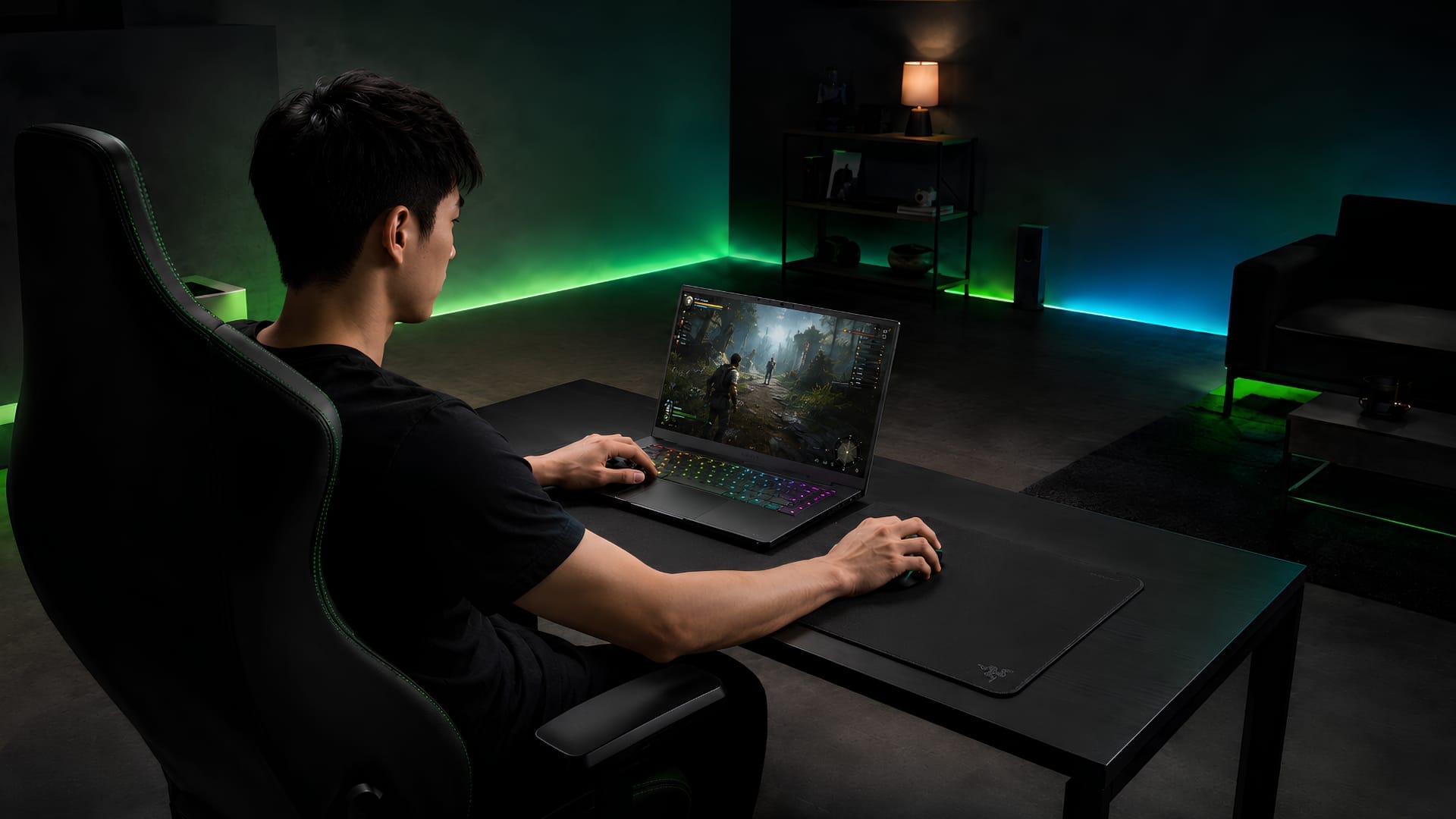


Even though integrated GPUs are improving over time, sometimes they are just not enough to run a game smoothly. The best modern games usually require a dedicated graphics card to run.
In the market, there are two giant providers of graphics cards, NVIDIA and AMD, and each year they come with better graphics cards than the year before. Today, we have gathered the top seven graphics cards in the market right now, but before you decide to choose one, be sure to consider your gaming needs carefully.
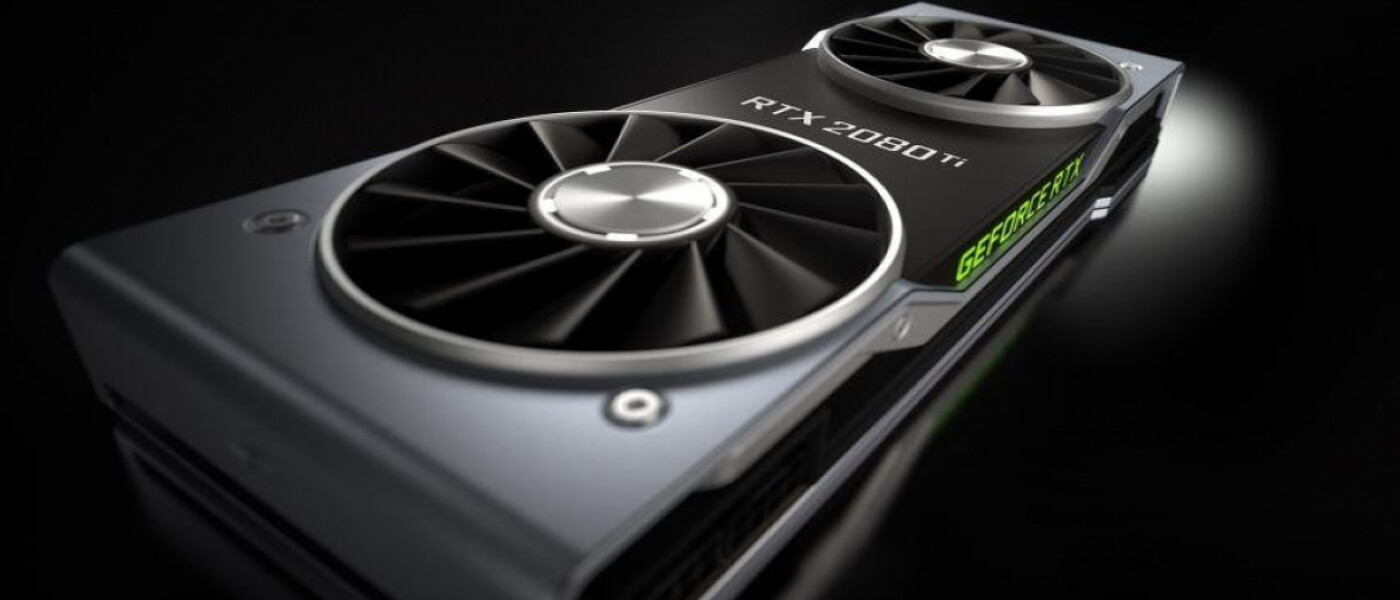
NVIDIA GeForce RTX 2080 TI
If you are looking for a graphics card that can play almost every game that exists, or set up a 4K gaming,then you should definitely go for this card. It comes with 11 GB of VRAM, and it has a core speed of 1,350 MHz, which can be expanded up to 1,635 MHz. Excluding the studio-grade cards, NVIDIA’s RTX 2080 TI is hands down as the best graphics card on the market.
NVIDIA GeForce RTX 2080 Super
This graphics card comes with an 8 GB of VRAM, and it has a clock speed of 1,650 MHz, which can be boosted up to 1,815 MHz. The graphics card is enough to provide you with smooth gaming experience, even if you are using 4K. Although the 2080 Super performs slightly lousier than 2080 TI, it costs almost half its price.
AMD Radeon VII
Most AMD graphics cards are quite affordable compared to NVIDIA cards, and this one is no different. It comes with a 16 GB VRAM and a core clock speed of 1,400 MHz. The only downside is it consumes more power than the RTI graphics cards; however, it runs cooler than its counterparts.
NVIDIA GeForce RTX 2070 Super
NVIDIA’s second-in-command comes with 8 GB of VRAM, and it has a core clock speed of 1,605 MHz. It performs exceptionally well, especially if your games’ resolution is between 1080P and 1440P. However, it may not be as smooth with 4K gaming as compared to the rest on the list.
NVIDIA GeForce GTX 1080 TI
This NVIDIA graphics card comes with a base clock speed of 1,480 MHz, which can be boosted up to 1,582 MHz, and equipped an 11 GB of VRAM. It is not as perfect as RTX 2080 with 4K gaming, but you can still use it as it is capable of receiving 40 to 60 FPS in games. This last generation’s superstar still holds its own and even outperforms some of the latest RTX cards that hit the market.
AMD Radeon RX 5700 XT
This monster comes with an 8 GB of VRAM, and it has a base clock speed of 1,605 MHz. Its performance is almost at par with NVIDIA 1080 TI, but this one is much cheaper. It doesn’t support ray tracing, but you will be surprised by how amazing it performs with 4K, especially considering its price. If you’re on a budget and looking for the best bang for your buck, then this is probably the best graphics card that you may consider.
AMD Radeon RX 5700
This one comes with 8 GB of VRAM, and its base clock speed is 1,465 MHz. It performs exceptionally with 1080P games, but it can overheat if you don’t have a decent cooling set up. As with most AMD graphics cards, it is quite affordable. It’s certainly a great option if you’re gaming in 1080P and should give you decent frame rates in games like League of Legends and CS:GO. The downside is similar to RX5700 XT, which is does not support ray tracing.