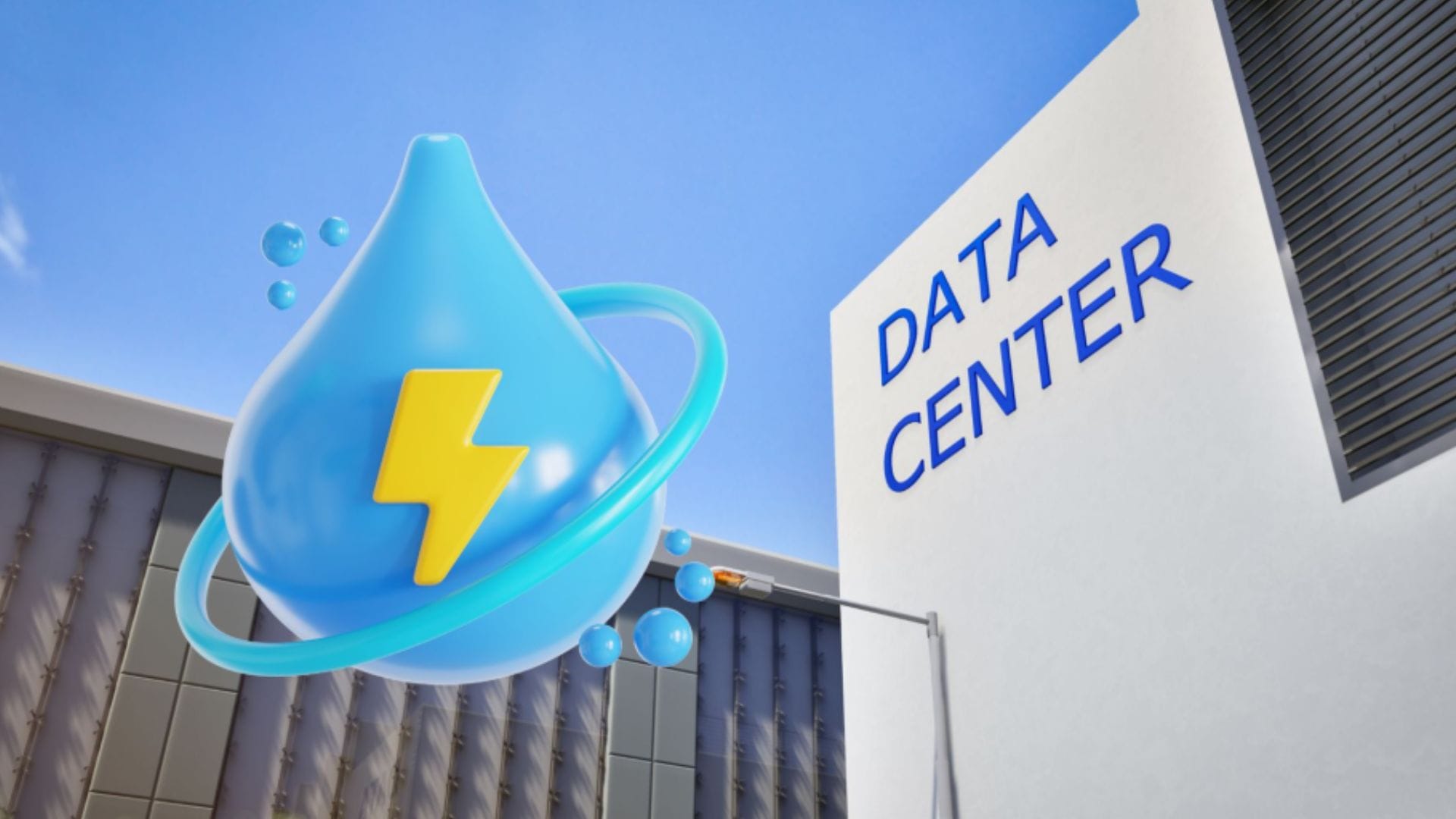
The rapid expansion of artificial intelligence infrastructure across the United States is drawing increased scrutiny, as many new data centres are planned in regions already struggling with severe drought. While technology companies continue to invest heavily in AI development, questions are growing over whether local water and power resources can support the industry’s rising demands.
Communities, environmental groups and some local authorities have raised concerns about the impact of large-scale data centre projects on essential services. As AI adoption accelerates, critics argue that the strain on electricity networks and water supplies could become a significant challenge for residents living near these developments.
Growing pressure on water and energy resources
Technology companies operating AI data centres often highlight the efficiency of modern cooling systems. Many facilities use closed-loop cooling methods designed to reduce water consumption, with major operators such as Amazon Web Services developing customised systems intended to improve resource management.
However, industry experts suggest that direct water use in data centres accounts for only a small part of the overall environmental impact. The larger issue lies in the substantial amount of electricity required to power AI computing infrastructure. As demand for AI services grows, data centres are expected to consume more energy, placing additional pressure on an already strained electricity grid.
The challenge comes at a time when parts of the United States are experiencing prolonged drought conditions and rising energy costs. Electricity providers are facing growing demand while investing in infrastructure upgrades, costs that are often passed on to consumers through higher utility bills.
A report published by Xylem estimated that only around 4% of the increase in AI-related water demand comes directly from data centre operations. The remaining 96% is linked to supporting activities, including power generation (approximately 54%) and semiconductor manufacturing (around 42%). These findings suggest that the broader AI supply chain may have a much larger impact on water resources than the facilities themselves.
Communities question the benefits of rapid expansion
Despite concerns about water availability and energy consumption, data centre construction continues across many parts of the country. Companies are racing to build the infrastructure needed to support future AI systems, including increasingly powerful models that some developers believe could eventually contribute to the pursuit of Artificial General Intelligence.
At the same time, opposition from local communities is becoming more visible. Residents in some areas argue that large data centre projects bring few direct benefits while increasing demand for limited local resources. Concerns have also been raised about rising electricity costs, land-use changes, and the long-term sustainability of continued expansion.
Some local governments have begun taking action. Seattle recently introduced a one-year halt on new data centre projects as officials assess the industry’s impact on electricity consumption and local communities. The move reflects growing caution among policymakers who are seeking to balance economic development with infrastructure capacity and environmental considerations.
Insurance providers and infrastructure planners have also highlighted the potential risks associated with concentrating large energy-intensive facilities in regions facing environmental stress. While technology companies remain committed to expansion, questions persist about how future demand will be met without placing additional pressure on existing systems.
Rural communities voice concerns over future impacts
Analysts increasingly view water availability and power generation as two of the most significant challenges facing the AI sector over the coming decade. As companies continue to seek greater computing capacity, residents in affected regions are becoming more vocal about the potential consequences.
Rural communities are expected to feel some of the greatest impacts. Many of these areas already face challenges related to water access and infrastructure investment. Critics argue that increased industrial demand could make resources more expensive and harder to obtain for households, farms and local businesses.
The issue has also drawn political attention because many regions hosting new data centre developments include agricultural communities that play an important role in the national economy. Farmers and ranchers have expressed concerns that water resources could become increasingly stretched if demand continues to rise.
Andrew Coppin, chief executive of Ranchbot, a company that helps ranchers monitor water usage, described the concerns in comments to The Guardian.
“The concerns from farmers are real and justified. Datacenters are the flavour of the month now, but we wouldn’t choose to have a shower only on Mondays, Wednesdays, and Saturdays. I mean, ChatGPT is a pretty nice tool, but most people would prefer to have a beef steak if they had to choose.”
As AI investment continues to accelerate, debates over resource management are likely to intensify. Policymakers, industry leaders and local communities will face increasing pressure to find solutions that support technological growth while protecting access to essential water and energy supplies.