

Alibaba Cloud, Tech Talent Assembly and ST Telemedia Global Data Centres will collaborate to help more than 1,000 local enterprises, developers and students build practical skills in generative and agentic AI.
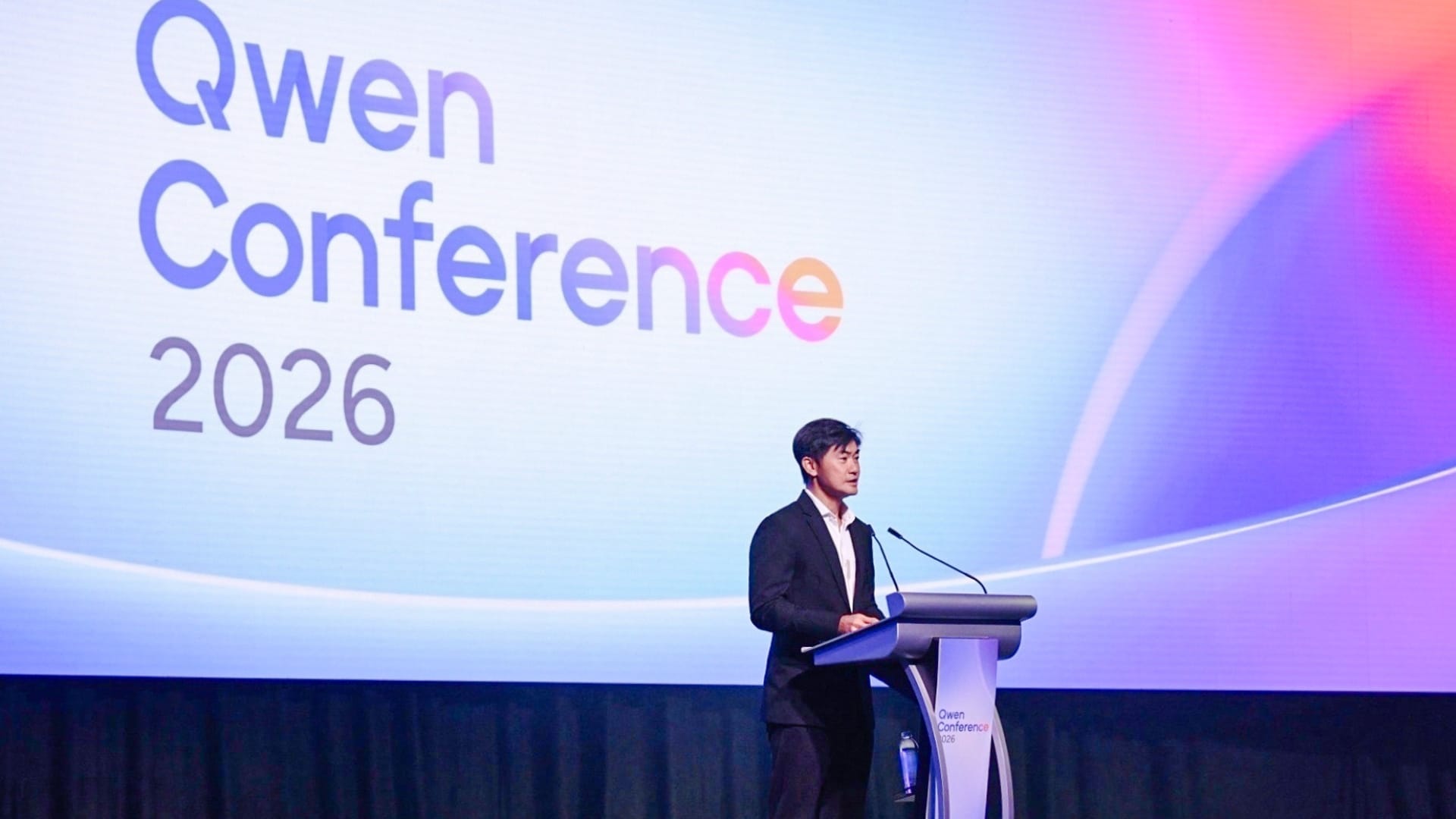
The collaboration was announced by Desmond Tan, Senior Minister of State, Prime Minister’s Office, and NTUC Deputy Secretary-General, during the inaugural international Alibaba Cloud Qwen Conference in Singapore on 26 May. The conference gathered more than 1,000 technology professionals, innovators and partners from Southeast Asia and beyond.
Training focuses on practical AI use at work
The partnership will give participants access to Alibaba Cloud’s AI and agentic AI solutions, including Qwen, Wan and Qoder. These tools will be used to show how AI can be applied in work settings, including software development, business workflows and content creation.
Mr Tan said companies need more than access to AI tools as capabilities advance. They also need skills, ecosystems and partnerships that help them apply AI effectively in workplace settings, particularly where job redesign, worker uplift and SME adoption are involved.
The initiative sits alongside NTUC’s wider push to help workers move from AI awareness to workplace application. In February, NTUC launched AI-Ready SG, a national effort that brings together training, career guidance and job redesign to support better jobs, better-skilled workers and improved job-worker matching.
NTUC links AI adoption to job redesign and wages
Mr Tan said Singapore’s approach to AI adoption is guided by a principle of pursuing “AI with no jobless growth”. The aim is to apply AI in ways that support workers rather than replace them.
NTUC’s Company Training Committees are working with companies to redesign jobs, raise productivity and translate productivity gains into better wages and career progression. According to Mr Tan’s speech, NTUC’s CTCs have surpassed 3,800 committees and benefited more than 300,000 workers.
One example cited was SIN Assurance PAC, a public accounting firm that had relied on manual audit and quality management processes. By working with NTUC SME Partners and using the CTC Grant, the firm adopted digital quality management tools, Robotic Process Automation and an AI-enabled chatbot. The move reduced manual work, allowed professionals to focus on higher-value tasks and increased productivity, while workers were reskilled and received a 4% wage increment.
NTUC LearningHub is also scaling role-based AI training, including Alibaba Cloud programmes supported by SkillsFuture. This is complemented by NTUC’s e2i AI Career Coach, which offers AI-enabled tools for resume optimisation, interview practice, skills profiling and job recommendations.
Singapore’s AI strategy places workers in the adoption agenda
Mr Tan said AI is reshaping jobs, industries and value chains globally. Citing a PwC report, he said skills in AI-exposed roles are changing about 66% faster, while more than 80% of companies expect AI to fundamentally transform how work is done.
Singapore’s response, he said, is deliberate and structured. The National AI Strategy, launched in 2019, is supporting AI deployment in areas relevant to the economy and society, backed by a national commitment of more than S$1 billion.
Recent efforts centre on four national AI missions across manufacturing, connectivity, finance and healthcare. The National AI Council, chaired by Prime Minister Lawrence Wong, provides strategic direction and coordination across government, industry and partners.
Mr Tan said Singapore’s tripartite model gives the country an advantage in navigating AI-driven disruption, as it brings government, industry and labour partners around shared goals.
“Our unique tripartite model in Singapore is a big advantage. It is anchored in trust, built over decades of cooperation, open communication and shared goals. This gives us the confidence to navigate disruption together, and deliver inclusive economic progress in the AI economy.”