


Friday, 5 December 2025
28.3 C
Singapore
25.4 C
Thailand
25.8 C
Indonesia
27.1 C
Philippines

Android introduces Auracast support for hearing aids in public audio broadcasts

Android 16 will add Auracast support, allowing hearing aids to connect directly to public audio broadcasts.

Google has announced that Android will soon support Auracast, a Bluetooth technology that connects hearing aids directly to public audio broadcasts. This feature aims to make it easier for people with hearing impairments to listen to announcements and audio streams in noisy environments.

With Auracast, compatible hearing aids and earbuds can receive direct audio streams from sources such as train station PA systems, airport announcements, and concert broadcasts. This means you will no longer need to struggle with background noise when trying to hear important information. Additionally, Google highlights that hearing aid presets can be applied to these broadcasts, allowing users to personalise audio streams based on their hearing needs.

Launch details and device compatibility

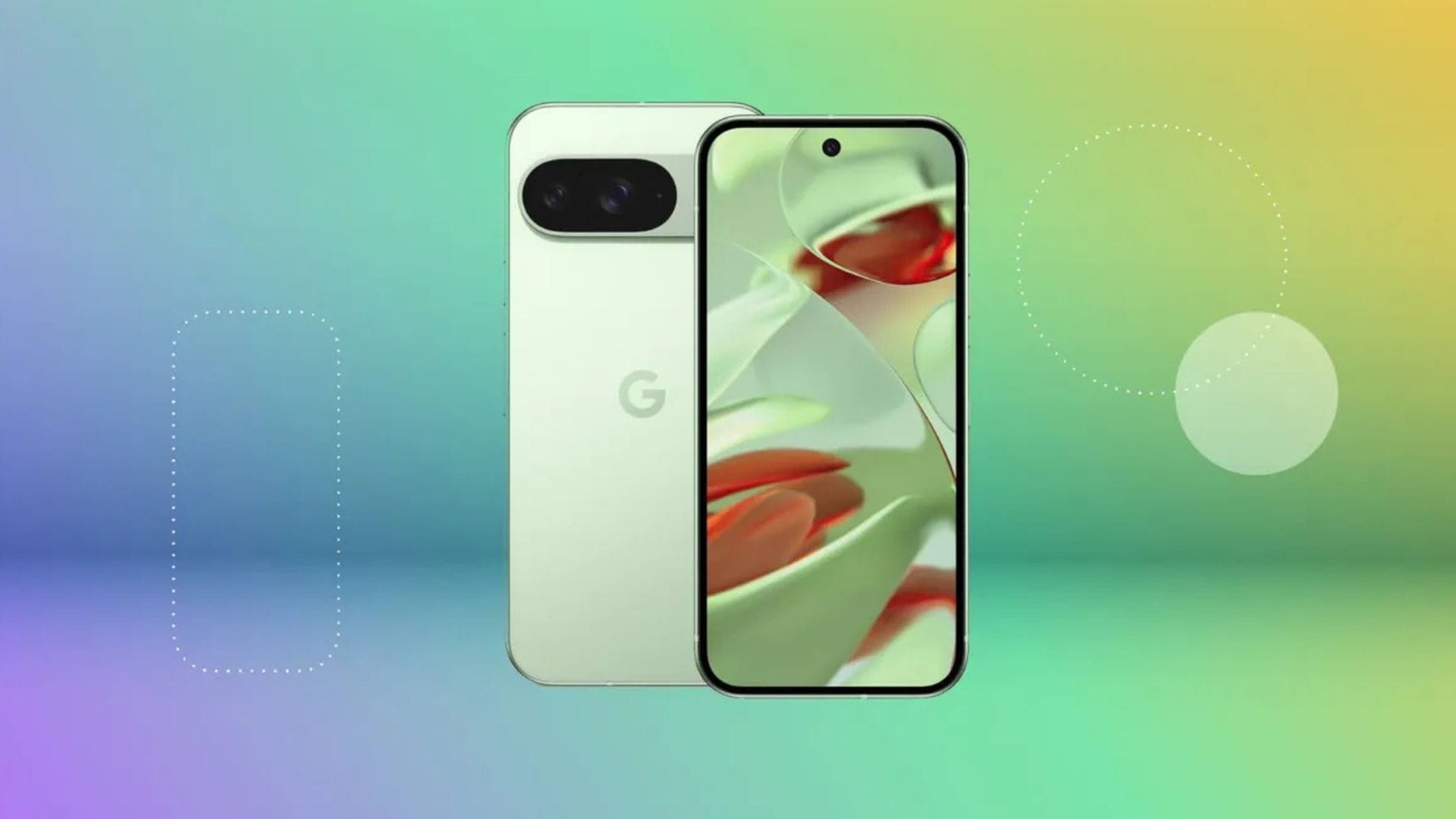
The feature will initially be available on Samsung Galaxy devices running One UI 7 and Google Pixel 9 phones using the latest Android 16 beta. To use Auracast, your hearing aids must support LE Audio, a low-energy Bluetooth technology. Compatible devices include hearing aids from manufacturers like GN Hearing and Starkey.

In addition to Auracast, Google has introduced a new way to connect to public broadcasts on Pixel 9 devices. Instead of navigating through settings, you can instantly scan a QR code to access an audio stream. This feature is expected to make it even more convenient for users to connect to public broadcasts quickly.

Additional features in Android 16

The latest Android 16 beta comes with several new accessibility and security features. One of the key additions is a text outlining tool, which makes it easier for low-vision users to read text on their screens. This feature enhances text visibility by adding outlines around letters, improving readability.

Google is also introducing Local Network Protection (LNP), a security feature that gives you greater control over which apps can access devices on your local network. This update aims to improve privacy by preventing apps from communicating with network devices without your permission.

Android 16 is expected to launch officially in June, bringing these enhancements to more users in the coming months.


Hot this week

SMRT upgrades Bishan Depot with automation to double train overhaul capacity

SMRT upgrades Bishan Depot with automation to double overhaul capacity and enhance safety, efficiency, and workforce sustainability.

Lara Croft becomes gaming’s best-selling heroine amid new Tomb Raider rumours

Lara Croft becomes gaming’s best-selling heroine as new Tomb Raider rumours fuel excitement.

Kargo Technologies outlines plan for 40,000-vehicle EV shift by 2035

Kargo Technologies sets a 2035 target to deploy 40,000 electric vehicles and build an AI-driven Electrified Silk Road across Asia.

Let It Die: Inferno launches with extensive AI-generated elements

Let It Die: Inferno launches on 3 December with AI-generated voices, music, and graphics, sparking debate among fans.

Honor showcases early low-light camera performance of the Magic 8 Pro

Honor offers an early look at the Magic 8 Pro’s upgraded low-light camera performance during brief testing at the Singapore Oceanarium.

Antigravity enters the drone market with the A1, a lightweight FPV model with 360-degree 8K recording

Antigravity launches its first drone, the A1, combining FPV controls with 360-degree 8K imaging in a compact 249g design.

Micron’s exit from Crucial signals a turning point for consumer memory

Micron ends its Crucial consumer line as it shifts focus to AI and enterprise memory, marking a major change in the PC hardware market.

Sony introduces A7 V with updated sensor, faster processing, and improved stabilisation

Sony launches the A7 V with a new sensor, a faster processor, and upgraded stabilisation, targeting hybrid shooters with enhanced features.

HPE expands AI-native networking portfolio and outlines vision for self-driving IT operations

HPE expands its AI-native networking portfolio with new AIOps features, hardware, and hybrid cloud tools designed for self-driving IT operations.

Related Articles

Popular Categories