

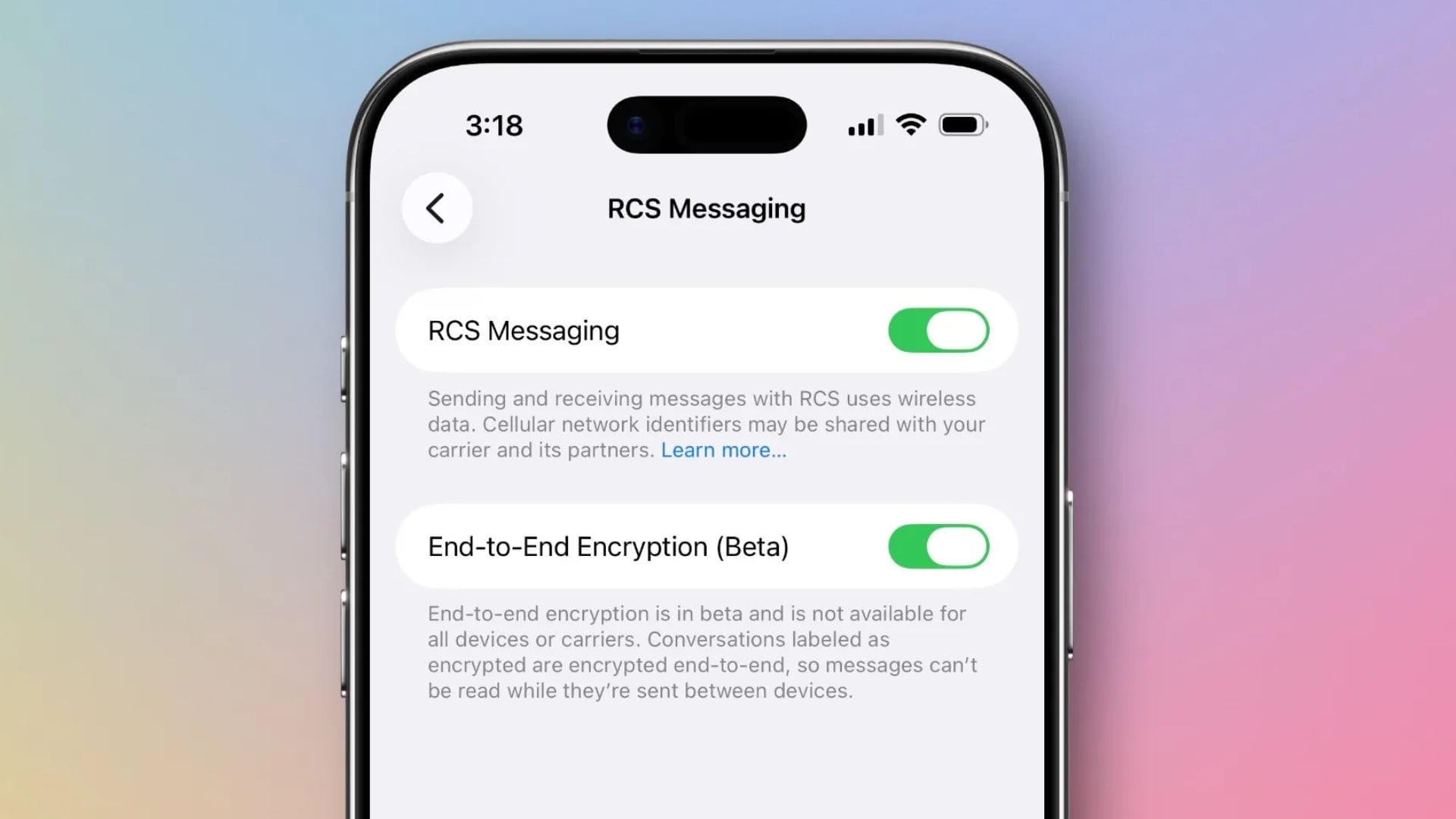
Apple has started rolling out beta support for end-to-end encrypted Rich Communication Services (RCS) messaging with the release of iOS 26.5, marking a major step forward for secure messaging between iPhone and Android users.
The update introduces encrypted RCS conversations for users on supported mobile networks, ensuring messages sent between compatible devices remain protected while in transit. The move addresses one of the long-standing limitations of cross-platform messaging, where communication between Apple and Android devices often lacked the same level of privacy available through Apple’s iMessage service.
The company said users will need an iPhone running iOS 26.5 and access to a wireless network that supports encrypted RCS messaging. Apple has published a list of compatible carriers, with major US providers including AT&T, T-Mobile and Verizon supporting the feature from launch day.
Android users will also need compatible software and network support before encrypted conversations can function properly. According to Apple, recipients using Android devices must have the latest version of Google Messages installed and be connected to a supported carrier network.
Apple expands secure messaging between platforms
The addition of encrypted RCS messaging represents a significant improvement in communication between iPhone and Android users. Until now, secure messaging between the two ecosystems has often required third-party applications such as Signal or WhatsApp.
Apple explained that users will know when an RCS conversation is protected by checking for a new lock icon displayed at the top of a chat. The company added: “Encryption is on by default and will be automatically enabled over time for new and existing RCS conversations.”
The feature does not replace Apple’s existing iMessage system. Messages exchanged between Apple devices will continue to use iMessage, which already supports end-to-end encryption. Instead, the latest update improves security for conversations that occur outside Apple’s ecosystem.
RCS has gradually replaced traditional SMS messaging in recent years by offering modern features such as typing indicators, read receipts and improved media sharing. However, differences between Apple and Google’s messaging systems have often created inconsistencies for users communicating across platforms.
The rollout of encrypted RCS support is expected to reduce some of those frustrations. Although green chat bubbles will remain for Android conversations on iPhones, users can now exchange messages with greater privacy protection without relying on external apps.
Industry observers have long viewed Apple’s slower adoption of RCS as a point of tension within the mobile industry. The company faced increasing pressure from regulators and technology rivals to improve interoperability between devices and services.
iOS 26.5 also introduces Maps updates and new wallpaper
Alongside encrypted RCS messaging, Apple released version 26.5 updates for iPadOS, macOS Tahoe and watchOS. While the software updates contain relatively few major additions, the company introduced several smaller features designed to improve the overall user experience.
One of the more noticeable changes is a new “suggested places” feature within Apple Maps. The tool highlights locations users may find interesting based on their recent searches and nearby trends. The addition appears aimed at making Maps more proactive by surfacing recommendations tailored to individual habits and preferences.
Apple has also introduced a new Pride-themed “Luminance” wallpaper across its latest operating systems. The wallpaper features colourful customisable designs and forms part of the company’s continuing support for Pride-related initiatives.
Although the latest software release is not considered a major upgrade compared with previous iOS launches, the introduction of encrypted RCS messaging has attracted significant attention because of its broader impact on mobile communication.
For years, messaging between iPhones and Android devices lacked the same seamless functionality available within Apple’s own ecosystem. Features such as lower-quality media sharing and the lack of encryption drew criticism from both users and competitors.
The latest changes suggest Apple is gradually moving towards a more open messaging experience while still maintaining its own iMessage platform as the default option for communication between Apple devices.
Industry pressure helped push RCS adoption forward
Apple’s support for encrypted RCS messaging follows years of industry discussion surrounding messaging standards and platform compatibility. Google, mobile carriers and regulators have repeatedly encouraged broader adoption of RCS to modernise text messaging and improve communication between devices.
The issue became especially prominent as encrypted messaging became increasingly expected among consumers. While applications such as Signal and WhatsApp offered secure communication regardless of device type, standard messaging between iPhone and Android users remained comparatively limited.
Pressure from regulators in several regions also pushed interoperability higher on the technology industry’s agenda. Reports in recent years suggested that Chinese authorities and other regulators had encouraged Apple to support newer messaging standards fully.
Despite the gradual rollout, some compatibility issues may still appear as Apple and Google continue refining the system. Variations in carrier support, device software and regional availability could temporarily affect the experience for some users during the beta period.
Even so, the launch represents a notable shift for Apple’s messaging strategy. By enabling encrypted RCS conversations, the company is helping close one of the largest gaps in communication between iPhone and Android.
The update may not eliminate all distinctions between the two platforms, but it significantly improves the security and reliability of standard messaging for millions of users worldwide.