

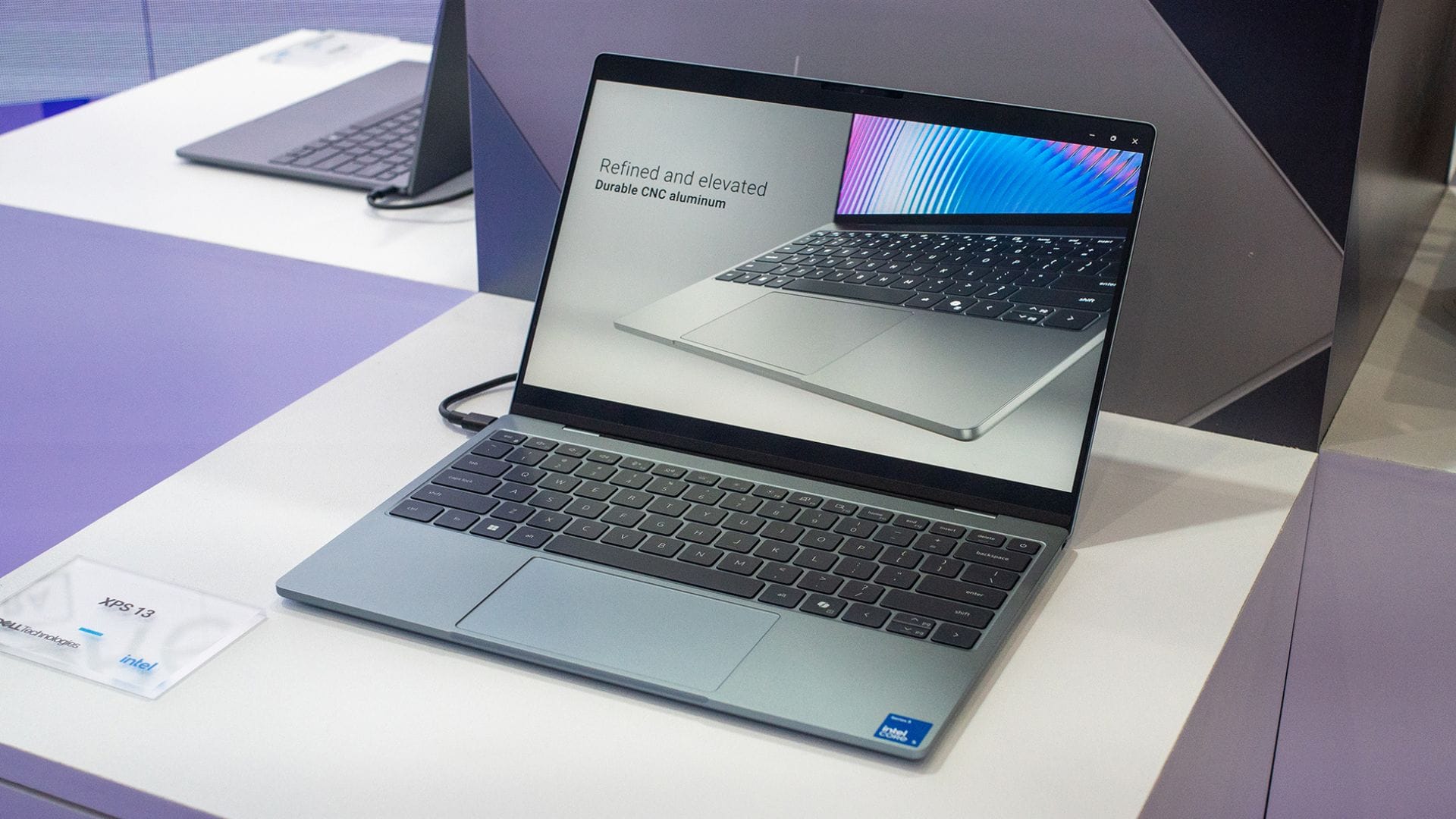
Dell has officially released its latest XPS 13 laptop, making it available to customers today through both online and physical retail channels. The company first announced the laptop in late May and said it would arrive in June, but did not provide a specific launch date at the time.
The new model enters the market as a more affordable option within Dell’s laptop portfolio. The company has positioned the device to appeal to students and everyday users looking for a lower-cost computing solution without stepping up to premium-priced hardware.
Dell expands its affordable laptop offering
The Dell XPS 13 is now available for purchase across multiple sales channels. Students can buy the laptop for US$599, while standard pricing for other customers begins at US$699.
The launch marks Dell’s effort to strengthen its presence in the entry-level and education-focused laptop segment. While the XPS brand has traditionally been associated with premium devices, the latest model aims to make the product line more accessible to a wider audience by lowering prices.
The company has not released extensive details alongside the retail launch announcement, instead focusing attention on availability and pricing. By offering a discounted student rate, Dell is clearly targeting the education sector, a market that continues to play an important role in global laptop sales.
Affordable laptops remain in demand as schools, colleges and universities increasingly rely on digital learning tools. Devices that balance price and performance are often preferred by students, educators and families looking to manage technology budgets while maintaining access to essential computing features.
Competition grows in the education market
Dell’s latest launch arrives shortly after Apple introduced its own lower-cost laptop, the MacBook Neo. Apple unveiled the device as its first genuine budget laptop, designed specifically with educational users in mind.
The MacBook Neo targets both students and teachers, positioning it as a practical option for classroom use and remote learning. Early reactions to the device have been positive, with reviews highlighting its value proposition within Apple’s product range.
The timing of Dell’s release places the company in direct competition with Apple in a market segment that has become increasingly important. Educational institutions continue to invest heavily in technology, creating opportunities for manufacturers to offer affordable, reliable devices.
As major technology companies seek to secure long-term customers, student-focused products can serve as an entry point into broader ecosystems of software, services and hardware. This has made the education market one of the most closely watched sectors within the personal computing industry.
Apple sets a benchmark as Dell enters the race
Apple has already demonstrated early success with its education strategy. One notable achievement came through an agreement with Kansas City Public Schools, which will receive more than 4,500 MacBook Neo laptops as part of a broader technology deployment.
The deal highlights the scale of opportunities available to manufacturers that can meet the needs of schools and educational organisations. Large institutional purchases often provide significant sales volumes and can influence future buying decisions across districts and regions.
Dell aims to achieve similar results with the XPS 13. The company’s established reputation in both consumer and business computing may help it compete for education contracts, particularly among institutions seeking cost-effective alternatives.
Whether the new XPS 13 can match the momentum currently enjoyed by Apple’s MacBook Neo remains to be seen. However, with competitive pricing and a focus on students, Dell has positioned the laptop to challenge for a share of a market that continues to attract strong interest from leading technology brands.