


Meta is stepping up its efforts to help Singaporeans stay safe online with the launch of new anti-scam tools and the expansion of its digital literacy initiatives across the country. The measures aim to help users better recognise scams, safeguard their personal data, and improve their overall digital security.
Strengthening defences against online scams
In the first half of 2025, Meta took action against nearly 12 million scam-linked accounts worldwide, including the removal of over 68,000 fake accounts and 650,000 scam-related advertisements in Singapore. The figures highlight both the scale of online scams and Meta’s ongoing commitment to protecting users.
Clara Koh, Head of Public Policy for Central Southeast Asia and ASEAN at Meta, said, “At Meta, protecting our users from scams is a top priority. The launch of these anti-scam tools in Singapore and our ongoing public education campaigns underscore our continuing commitment to user safety and empowering Singaporeans with essential digital literacy skills. Tackling online scams requires a collaborative approach, which is why we work closely with governments, technology partners, banks, and law enforcement to collectively detect and stop scammers.”
Among the new features, WhatsApp users in Singapore will receive an on-screen alert if they try to share their screen with someone not saved in their contacts during a video call. The safeguard aims to prevent scammers from gaining access to sensitive information. Meta has also enhanced scam detection on Messenger, where users are now notified if a message from an unknown sender appears suspicious. The system allows them to submit recent chat messages for AI review.
Making security tools more accessible
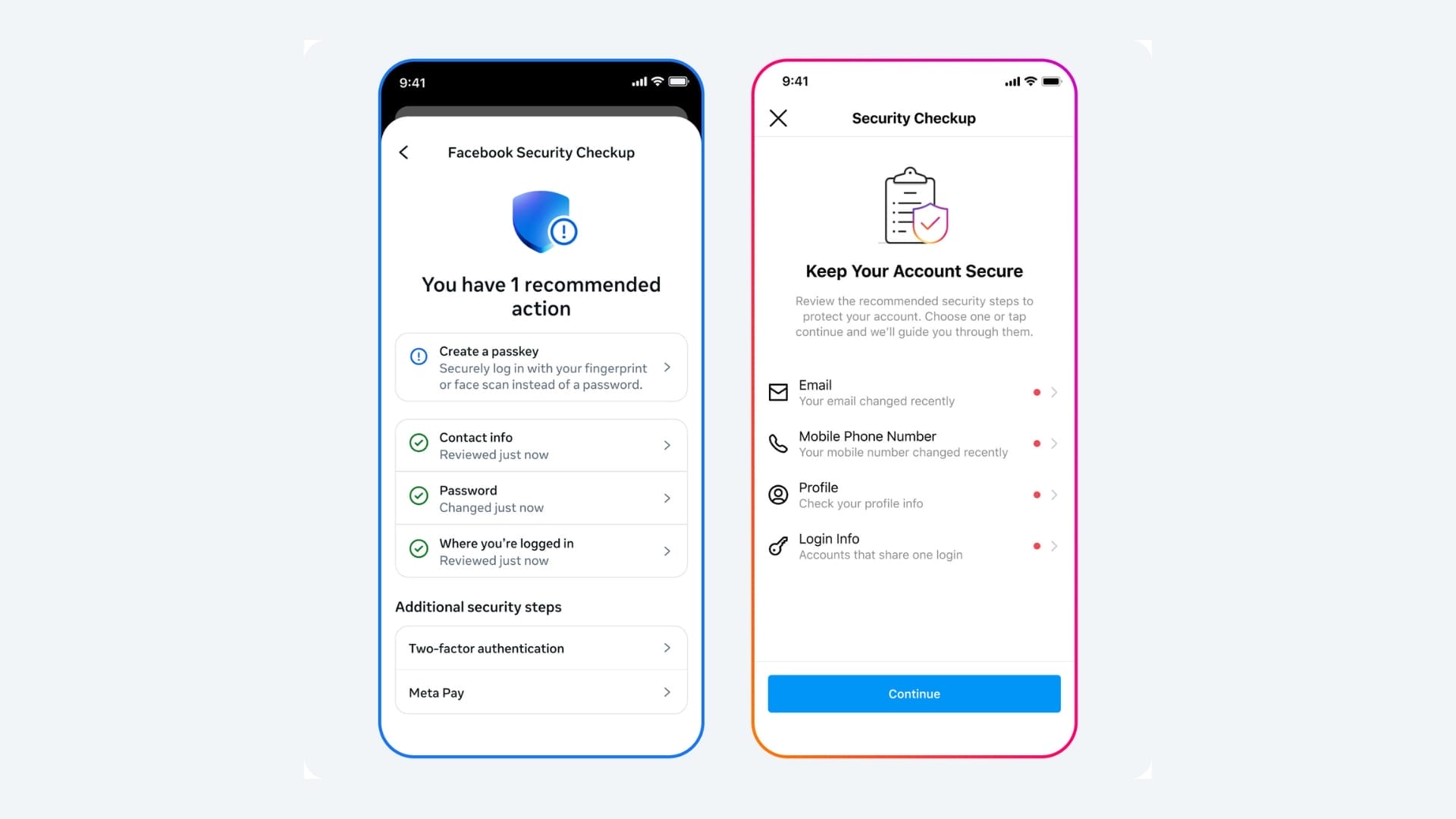
Meta is introducing easier ways for users to secure their accounts with passkeys, which provide a safer alternative to traditional passwords across Facebook, Messenger, and WhatsApp. The company also encourages users to use its built-in privacy and security checkup tools to manage settings, enable strong passwords, activate two-factor authentication, and control who can view their information.
The company’s anti-scam efforts extend beyond technology. As a Digital for Life (DfL) partner, Meta participated in the Infocomm Media Development Authority’s (IMDA) Digital for Life Festival, where it hosted interactive exhibitions, activity kiosks, and educational sessions. These activities were designed to equip parents and young people with practical tools to develop healthy digital habits, understand their digital footprints, recognise scams, and practise safer online behaviour.
Ms Doreen Tan, Assistant Chief Executive of Strategic Planning and Digital Readiness at IMDA, said, “We are grateful for Meta’s continued support for the DfL movement. At the DfL Festival this year, Meta stepped forward to equip parents and youths with practical tools and resources to develop healthy digital habits, and educate everyone on how to stay safe against scams. Through collaboration with DfL partners like Meta, IMDA will continue to foster a more inclusive digital society as Singapore digitalises more.”
Building awareness through local partnerships
To reach more Singaporeans, Meta has partnered with local podcasts such as The Daily Ketchup, Rise N’ Shine, and Yah Lah But to broadcast public service announcements encouraging listeners to activate two-step verification and use block and report features on WhatsApp.
John Chua, CEO and Co-Founder of GRVTY Media, which runs The Daily Ketchup, said, “The Daily Ketchup is honoured to collaborate with Meta on anti-scam education. We believe in using our platform to share crucial, frequent reminders, helping Singaporeans protect themselves and their loved ones from sophisticated scam operations. This simple yet meaningful initiative is vital for building a safer digital environment.”
Meta continues to advise users to stay alert online by pausing before responding to urgent messages, enabling two-factor authentication, adjusting privacy settings, and being cautious about messages from new or unknown accounts. The company also encourages open conversations about scams within families and communities, while following trusted sources such as ScamShield and the Singapore Police Force for real-time alerts.
Through these combined efforts in technology, education, and partnership, Meta hopes to make digital spaces safer and help Singaporeans build stronger online resilience.