

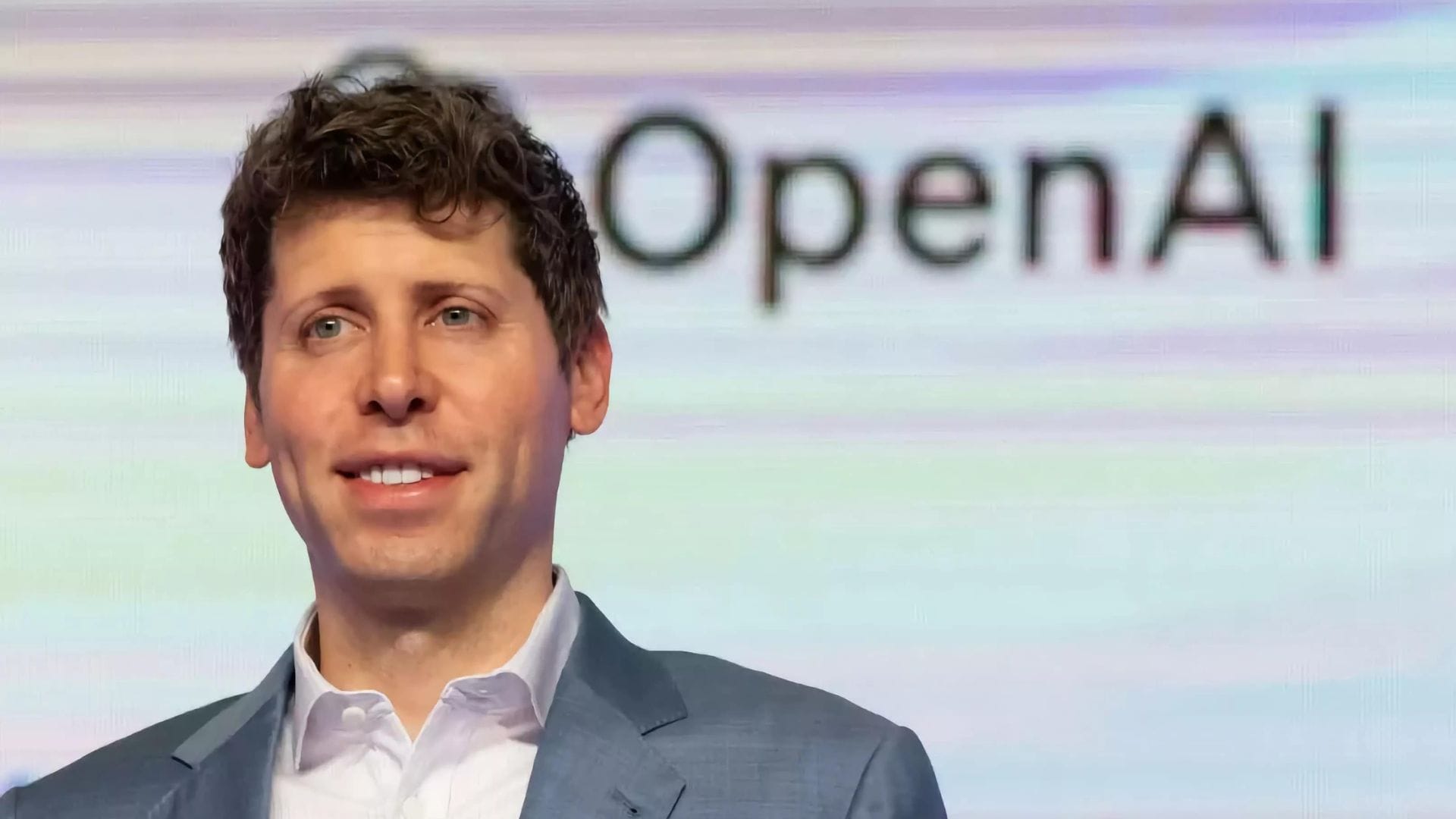
OpenAI, the company behind ChatGPT, could be on the verge of significant changes in its business structure. Founded with a focus on non-profit goals, it now appears set to move towards a more conventional profit model, which could include an equity stake for CEO Sam Altman. According to sources cited by Reuters, this comes as OpenAI negotiates a new funding round that could value the company at over US$150 billion.
Altman may receive an equity stake for the first time
Sam Altman, the CEO of OpenAI, might receive an equity share for the first time as part of this new structure. Reports from Bloomberg suggest Altman’s stake could be around 7%. Until now, OpenAI has been structured as a mix between a non-profit organisation and a “capped-profit” entity, with limits placed on profits to stay aligned with its founding mission. However, as the company gears up for more aggressive growth and expansion, these changes could help attract investors more interested in the for-profit potential of OpenAI’s AI technology.
Reuters sources indicate that OpenAI is preparing to transition into a for-profit benefit corporation. This model is similar to rival AI company Anthropic, which operates with profit in mind but also considers social impact. Under the proposed structure, OpenAI’s non-profit branch would retain only a minority ownership. At the same time, the majority control would shift to a for-profit entity, making it more attractive to private investors.
Questions over safety and profit priorities
This shift, however, raises questions about how OpenAI will balance its original mission of ensuring AI safety with its growing profit motives. The company is working on AI models with advanced reasoning capabilities, which could raise serious ethical concerns. For those already wary of AI technology’s potential risks, this move may be seen as a step in the wrong direction.
When Altman returned as CEO last November, following a brief but intense board-led ousting, he emphasised the need to “improve OpenAI’s governance structure.” As that structure begins to evolve, it appears some key figures within the company are opting to leave. OpenAI’s Chief Technology Officer (CTO), Mira Murati, announced her departure today. In addition, President Greg Brockman has been on leave, and former Chief Scientist Ilya Sutskever also exited earlier this year.
Attracting new investors with a revamped structure
The recent developments reflect a broader shift towards positioning OpenAI for more significant investments. By loosening its ties to the non-profit model and offering equity stakes, the company is likely to attract a wider range of investors. This includes those focused on the future profitability of AI technologies, which continue to expand rapidly in various sectors, including healthcare, education, and entertainment.
As OpenAI refines its focus on profitability and social responsibility, the ongoing changes will shape its future in the increasingly competitive AI landscape. Whether the new model will balance ethical AI development and market-driven growth remains to be seen.