

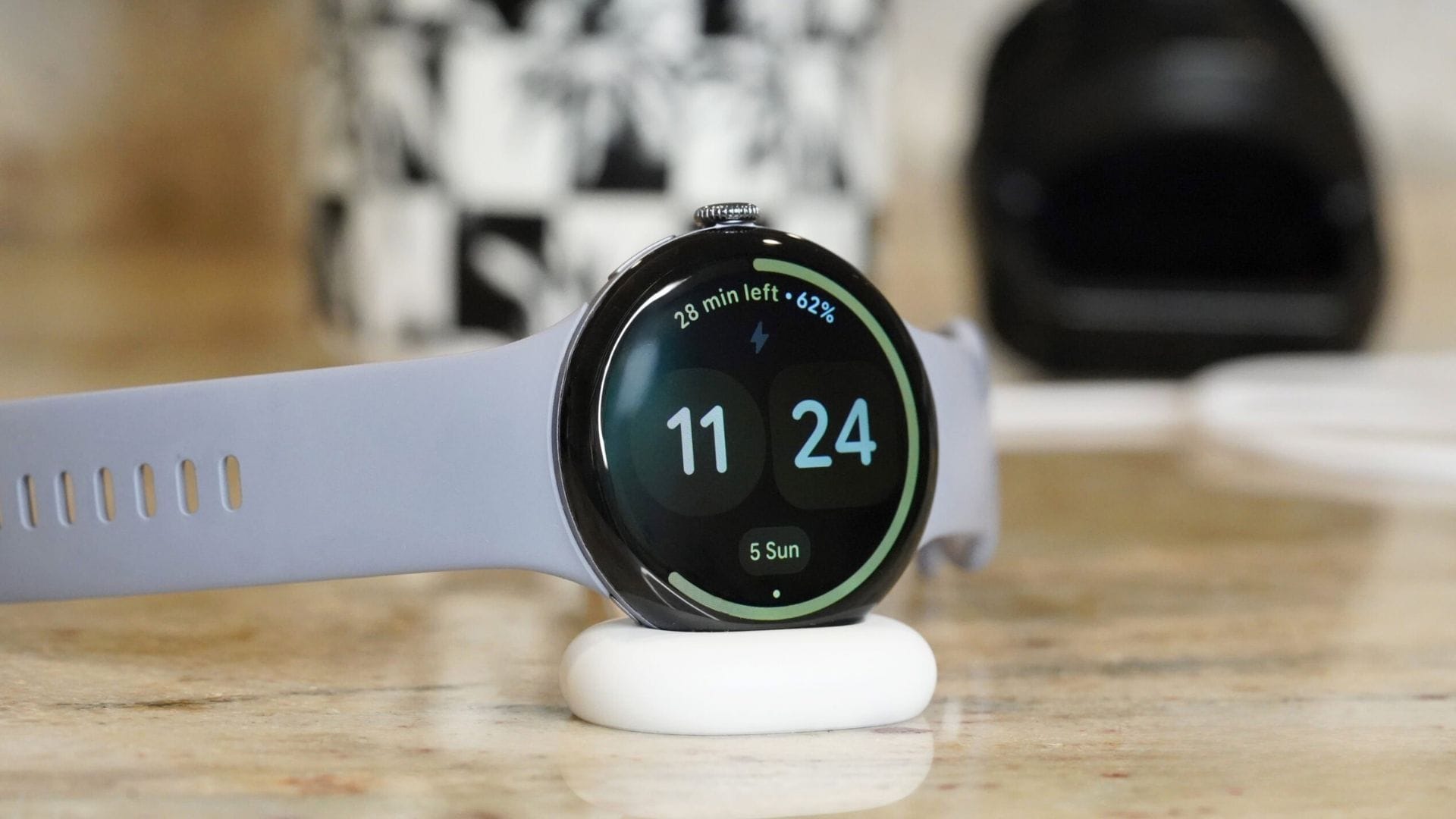
Google has officially begun rolling out Wear OS 7 to its latest Pixel smartwatch range, bringing a host of new features focused on artificial intelligence, interface improvements and battery efficiency. The update is now available for the Pixel Watch 2, Pixel Watch 3 and the newly launched Pixel Watch 4.
First unveiled at Google I/O 2026, Wear OS 7 introduces several design changes inspired by Android 17 and expands the role of Gemini AI across wearable devices. The software update aims to make smartwatches more useful in everyday situations by enabling smarter notifications, personalised widgets, and deeper integration with connected devices.
The latest version also promises improved battery performance, with Google claiming users can expect an average increase of around 10 per cent.
Gemini AI expands smartwatch capabilities
A major focus of Wear OS 7 is the integration of Gemini AI, Google’s latest artificial intelligence platform. The update introduces a new feature called Create My Widget, which allows users to build customised watch dashboards using natural language commands. These personalised Wear Widgets can be tailored to display information that matches individual preferences and daily routines.
Google has also added support for Live Updates, enabling users to view real-time information directly from their watch face. This includes updates such as live sports scores, workout progress, and food delivery tracking, without requiring users to open individual applications repeatedly.
The company is also extending Gemini’s role beyond simple information delivery. Wear OS 7 introduces multi-step automation powered by natural language processing. Users can ask Gemini to complete tasks such as booking a fitness class or ordering from a restaurant through conversational commands.
In addition, Gemini’s Neural Express design language has been incorporated into the operating system. According to Google, this system provides “helpful” suggestions based on a user’s interactions across services such as Gmail, Google Search and chat applications. The aim is to surface relevant information and recommendations more proactively throughout the day.
New controls for connected devices
Wear OS 7 also strengthens integration between Pixel Watches and other devices within Google’s ecosystem. One of the most significant additions is expanded connected device control, allowing users to manage a wider range of products directly from their smartwatch.
The update enables control of wireless earbuds, home audio devices and Google’s upcoming Android XR smart glasses, which are expected to launch later this year. This broader connectivity is designed to create a more seamless experience across Google’s growing range of hardware products.
For example, users wearing Android XR smart glasses will be able to instantly review photographs captured by the glasses on their Pixel Watch. This feature could provide a convenient way to quickly check images without reaching for a smartphone.
Audio controls have also been improved. Users can now manage playback across connected headphones, speakers and other compatible audio devices directly from the watch interface. These enhancements aim to make the smartwatch a more central hub for managing digital experiences throughout the day.
The expanded ecosystem support reflects Google’s broader strategy of connecting its devices more closely through shared software experiences and artificial intelligence features.
Improved design and battery performance
Alongside new AI-powered functions, Wear OS 7 introduces several visual and usability improvements. Elements of Android 17’s design language have been adapted for the smartwatch platform, resulting in a cleaner interface with more glanceable information and streamlined interactions.
Google says the updated interface has been designed to help users access key information more quickly while reducing the need to navigate through multiple menus. The addition of glanceable design elements supports this goal by displaying important updates in a more accessible format.
Battery life has also received attention in the latest release. Google claims Wear OS 7 delivers an average battery improvement of around 10 per cent compared with previous software versions. While individual results will vary depending on usage patterns, the enhancement should help users get more time between charges.
The battery gains complement the fast-charging capabilities introduced with the Pixel Watch 4, offering a combination of longer usage and quicker charging times. Together, these improvements are intended to address one of the most common concerns among smartwatch users.
Wear OS 7 is currently rolling out to Pixel Watch 2, Pixel Watch 3 and Pixel Watch 4 devices. Google has not yet announced when the update will become available for other Wear OS smartwatches, including models from Samsung and other hardware partners.