

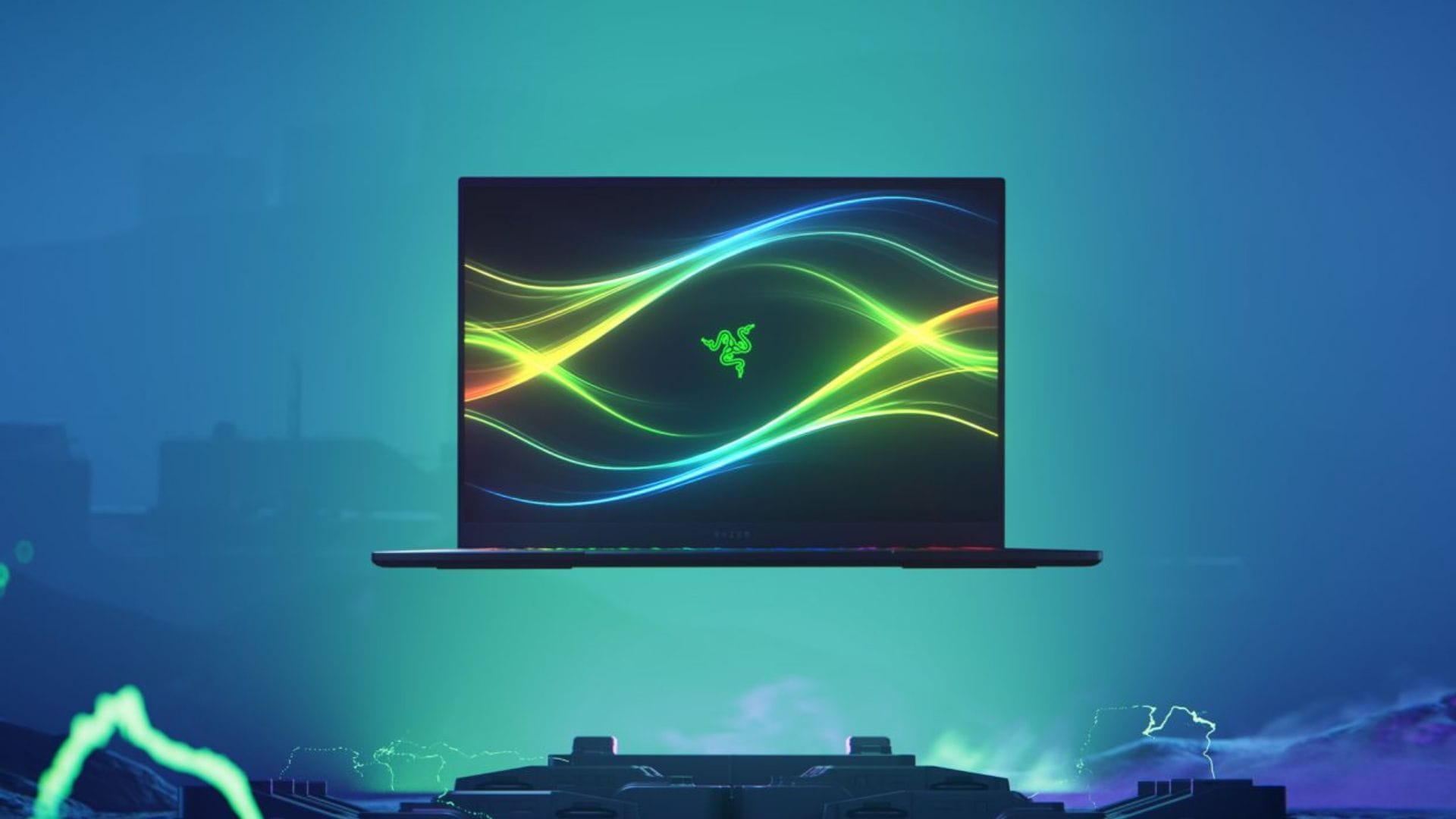
Razer has unveiled an updated version of its Blade 16 laptop, introducing new Intel processors and significantly faster memory, as the company shifts its focus back to practical performance improvements following its experimental AI showcase at CES 2026. The refreshed model is available to order immediately, starting at US$3,500.
A refined balance of portability and performance
The latest Blade 16 from Razer continues the company’s approach of bridging the gap between its smaller Blade 14 and the larger Blade 18. The device maintains a slim profile, measuring just 14.9mm at its thinnest point, matching the dimensions of its 2025 predecessor while delivering stronger performance within the same compact chassis.
The laptop retains its 16-inch QHD+ OLED display with a 240Hz refresh rate, though Razer notes that the brightness has increased by 100 nits compared to the previous model. This incremental upgrade is intended to improve visibility and colour vibrancy, particularly for gaming and creative workloads. The display remains one of the key features of the Blade lineup, combining high resolution with fast refresh rates in a relatively portable design.
Connectivity options also remain largely unchanged, offering a wide selection of ports suitable for both professionals and gamers. These include three USB 3.2 Gen 2 Type-A ports, one Thunderbolt 4 port, a newer Thunderbolt 5 port, a full-sized HDMI 2.1 connection, and a UHS-II SD card reader. This range ensures compatibility with a variety of peripherals without requiring additional adapters.
New Intel chips and faster memory take centre stage
The most significant change in the 2026 Blade 16 is the move away from AMD processors in favour of Intel’s latest Core Ultra series. The device is powered by the Intel Core Ultra 9 386H chip, part of a new generation built using Intel’s 18A manufacturing process, which the company has positioned as a key step in its technological resurgence.
According to Razer, the processor features 16 cores and includes an integrated neural processing unit capable of delivering up to 50 trillion operations per second. This capability enables on-device AI features such as image generation and live translation, aligning the laptop with Microsoft’s Copilot+ PC category. The integration of AI hardware reflects a broader industry trend towards embedding machine learning capabilities directly into consumer devices.
The updated processor also contributes to improved energy efficiency, with Razer claiming up to 15 hours of battery life under certain conditions. While real-world usage may vary, the figure suggests a notable balance between performance and endurance for a high-powered laptop.
Complementing the new processor is support for up to 64GB of LPDDR5X memory running at 9600MHz, offering a substantial increase in speed. This faster RAM is expected to benefit demanding applications, including gaming, video editing and multitasking. The laptop is also equipped with NVIDIA’s GeForce RTX 50 Series Laptop GPUs, providing additional graphical power for modern games and creative software.
Premium pricing reflects rising component costs
The upgraded hardware comes with a higher entry price: the Blade 16 starts at US$3,500. The base configuration includes 32GB of RAM, 1TB of storage, and an NVIDIA GeForce RTX 5080 GPU, positioning the device firmly in the premium segment of the market.
The pricing increase reflects broader trends within the PC industry, where the cost of components such as memory and storage has been rising. Manufacturers have been forced to pass some of these costs on to consumers, particularly in high-performance devices that rely on cutting-edge technology.
Despite the higher price, Razer appears to be targeting users who prioritise a combination of portability, build quality and top-tier specifications. The Blade series has long been positioned as a premium alternative to bulkier gaming laptops, and the latest update reinforces that strategy with incremental but meaningful improvements.
The new Blade 16 is now available on Razer’s official website, marking the company’s continued push to refine its core products while adapting to evolving hardware trends.