


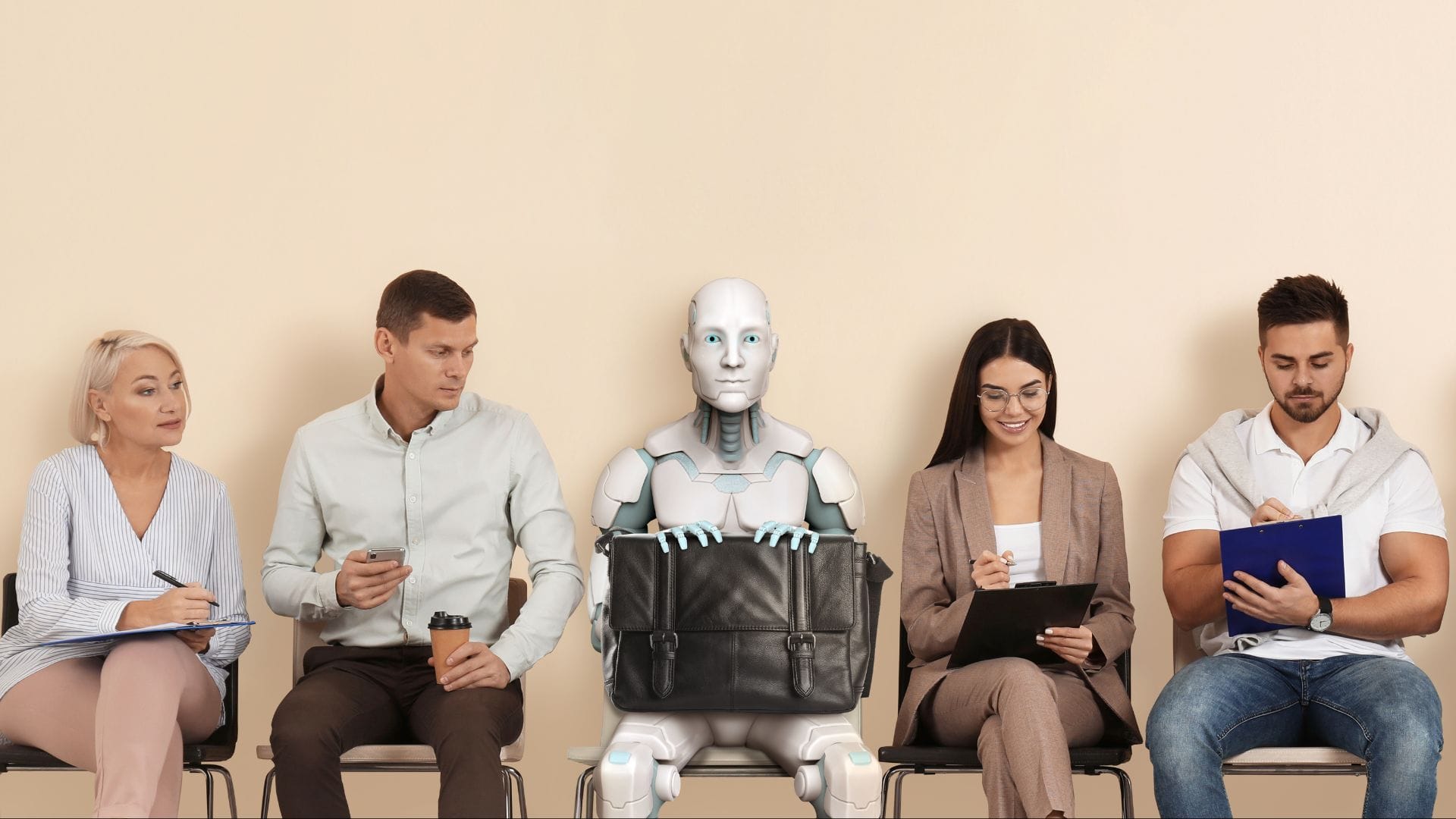
A growing body of research suggests that employee concerns, rather than a lack of skills, are slowing the adoption of artificial intelligence in the workplace. A recent Forrester report, along with Goldman Sachs data, indicates that human factors remain the primary barrier to the widespread implementation of AI technologies.
While skills gaps are often cited as a key challenge, the findings suggest that workers’ reluctance also plays an equally significant role. Many employees appear wary of engaging with AI tools, particularly in an environment marked by ongoing reports of technology-driven job cuts. This hesitation is limiting the pace at which organisations can integrate AI into everyday operations.
Concerns about job security are especially prominent. More than two in five workers, or 43%, believe that automation could lead to widespread job losses within the next five years. This fear is not abstract, as around one in four employees think their own role could be at risk. Such anxieties are contributing to mistrust and a reluctance to experiment with AI, even in roles where the technology could improve efficiency.
Business leaders embrace AI while the workforce remains cautious
The data also highlights a clear divide between how business leaders and employees perceive AI. Among UK executives, more than half (51%) view artificial intelligence as a means of reducing staff costs. In practice, this has already translated into workforce changes, with half of the respondents reporting that AI has helped cut headcount.
Future expectations suggest further disruption. Around 43% of managers anticipate a decline in entry-level roles as automated systems increasingly replace these positions. At the same time, the appetite for AI integration continues to grow, with 85% of UK managers stating they would hire an autonomous AI employee if given the opportunity.
Despite these concerns, adoption rates among businesses are rising. According to the Goldman Sachs data, 98% of the 10,000 small and medium-sized businesses surveyed are already using AI in some capacity. Among these organisations, 72% report improvements in employee productivity, indicating that the technology is delivering tangible benefits.
Early adopters appear to be gaining the most advantage, particularly in sectors such as marketing and content creation. However, AI is now expanding into areas such as analytics, sales, and operations, opening new opportunities for workers in those fields to integrate the technology into their workflows. Experts suggest that employees who actively engage with AI may be better positioned to remain competitive as adoption accelerates.
Companies urged to support and retrain employees
Both reports underline the need to reposition AI as an opportunity rather than a threat. However, achieving this shift will require greater effort from employers to address employee concerns and provide meaningful support. Communication is seen as critical, with organisations encouraged to highlight benefits beyond simple productivity gains and to reassure staff about their long-term value.
Training also remains a significant gap. Only 51% of companies currently offer AI training to non-technical employees, a modest increase from 47% in earlier data. This means that nearly half of the workforce lacks access to formal guidance on using AI tools effectively. Even more striking, just 23% of employees have received support in prompt engineering, a skill considered essential for maximising the potential of generative AI systems.
The broader context of layoffs in the technology sector continues to shape perceptions. Reports surrounding Meta, including speculation about potential workforce reductions and confirmed job cuts, reinforce the association between AI and job displacement. Although some of these developments remain unconfirmed, they contribute to a climate of uncertainty that affects employee sentiment.
Industry observers argue that businesses must take a more proactive role in easing these concerns. This includes investing in reskilling initiatives, fostering transparency around AI strategies, and involving employees in the adoption process. Without these measures, companies risk slowing their own progress by failing to secure workforce buy-in.
As AI continues to evolve, organisations will face the challenge of balancing efficiency gains with workforce stability. The evidence suggests that while the technology itself is ready, its success will ultimately depend on how well companies manage the human side of transformation.