


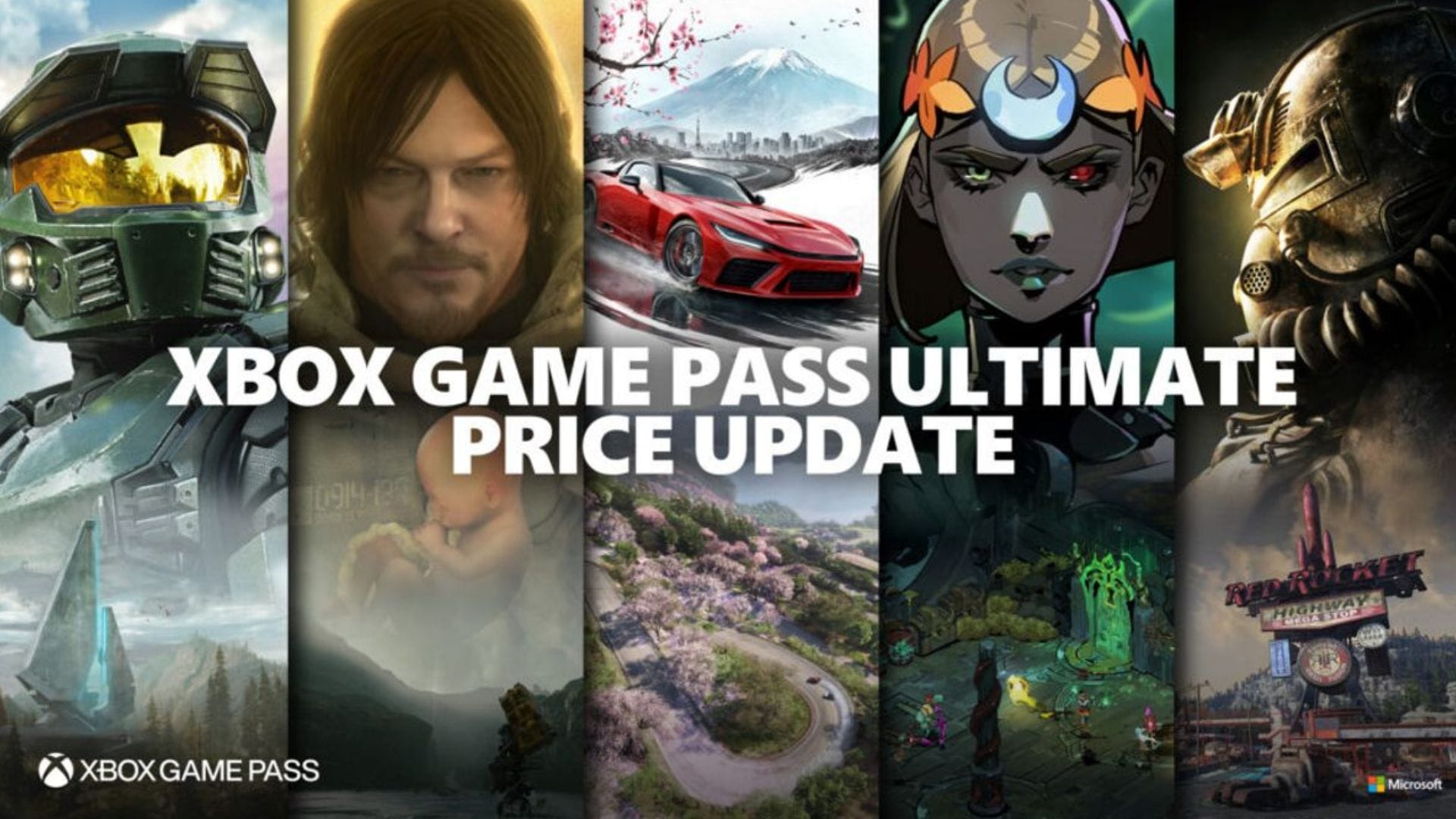
Microsoft has reduced the monthly cost of its Xbox Game Pass subscriptions, offering immediate price cuts for both Game Pass Ultimate and PC Game Pass. However, the move introduces a significant change that will affect how players access new titles in the Call of Duty franchise.
The updated pricing sees Game Pass Ultimate drop to US$23 per month, down from US$30. PC Game Pass has also been reduced to US$14 per month, down from US$16.50. Microsoft confirmed that pricing may vary by region, but the reductions take effect immediately for subscribers.
The decision follows criticism from within Microsoft’s gaming leadership over rising subscription costs. In a memo circulated publicly last week, Microsoft Gaming chief executive Asha Sharma expressed concern about the service’s affordability. She stated that it “has become too expensive for players, so we need a better value equation. Long term, we will evolve Game Pass into a more flexible system, which will take time to test and learn around.” Sharma later repeated the same position publicly on the social media platform X.
Game Pass Ultimate has become too expensive for too many players. Starting today, we’re dropping the price from $29.99 to $22.99/month.
— Asha (@asha_shar) April 21, 2026
Future Call of Duty titles will no longer join Game Pass Ultimate on day one. They will join this tier the following holiday after launch (about…
The price reductions reverse part of an earlier increase introduced in October, when Game Pass Ultimate rose to US$30 per month, representing a 50 per cent increase. That change marked the second price hike in 15 months, leading some users to question the service’s long-term affordability. The cost of PC Game Pass also increased at the time, rising by US$4.50 per month before the current adjustment brought it back down.
Microsoft responds to feedback on subscription pricing
Microsoft said the price adjustments were influenced heavily by customer feedback, acknowledging that a single subscription model does not suit all users worldwide. In a statement, the Xbox team explained that player needs vary significantly across regions and gaming habits.
“Our players cover a wide breadth of geographies, preferences, and tastes, so while there isn’t a single model that’s best for everyone, this change responds to a lot of feedback we’ve gotten so far,” the Xbox team wrote. “We’ll continue to listen and learn.”
Industry observers view the move as a strategic effort to retain subscribers who may have reconsidered the service after previous price increases. Subscription gaming services rely heavily on maintaining a large user base, and price sensitivity has become more apparent as entertainment costs rise globally.
Microsoft has steadily expanded the Game Pass catalogue over recent years, positioning it as a central pillar of its gaming strategy. The service offers access to a wide selection of titles across Xbox consoles and Windows PCs, including many first-party releases that previously launched on the platform on their release day.
Despite the reduced pricing, analysts note that the service’s long-term success will depend not only on costs but also on the perceived value of its content. Maintaining a strong pipeline of popular titles remains essential if Microsoft aims to preserve subscriber growth while controlling operating costs.
Call of Duty shift marks a major change to the release strategy
Alongside the price reduction, Microsoft confirmed a major change that will directly affect one of its most valuable franchises. New Call of Duty games will no longer be available on Game Pass Ultimate or PC Game Pass on their release day.
Instead, new entries in the franchise will be added to the service approximately one year after launch, typically during the following holiday season. This change makes Call of Duty the only first-party Xbox title not launching on Game Pass on day one.
The shift is widely interpreted as an effort to generate higher revenue from a franchise that consistently ranks among the world’s best-selling game series. Microsoft invested heavily to secure long-term ownership of the property, completing its US$68.7 billion acquisition of Activision Blizzard in a landmark deal several years ago.
Historically, players using Xbox consoles or Windows PCs could access new Call of Duty releases through Game Pass immediately upon launch, avoiding the need to purchase the full-priced game. By delaying the availability of new titles on the subscription service, Microsoft may encourage more players to buy the game outright at launch, increasing early sales revenue.
Meanwhile, players on competing platforms such as PlayStation have continued to purchase new Call of Duty releases at full price to access them on launch day. The franchise has yet to appear on Nintendo’s Switch platform or its successor hardware, and there has been no confirmation regarding future availability.
Future subscription tiers remain under discussion
The revised pricing and release strategy have fuelled speculation that Microsoft may be preparing further changes to its subscription model. Industry rumours suggest the possibility of a new premium Game Pass tier, or an optional add-on, that would restore day-one access to Call of Duty titles for an additional fee.
Although Microsoft has not confirmed such plans, the concept aligns with broader trends across subscription-based entertainment services. Many companies are experimenting with multi-tier models that allow customers to choose different levels of access based on their budgets and preferences.
Creating a higher-tier subscription could allow Microsoft to balance affordability for casual players while offering premium benefits to dedicated fans of major franchises. This approach may also help offset the rising costs associated with developing and publishing large-scale video games.
For now, Microsoft appears focused on stabilising its existing subscription base and rebuilding trust among users who were affected by recent price increases. The decision to reduce prices while limiting day-one access to Call of Duty represents a careful compromise between maintaining subscriber value and protecting revenue from one of gaming’s most profitable series.