


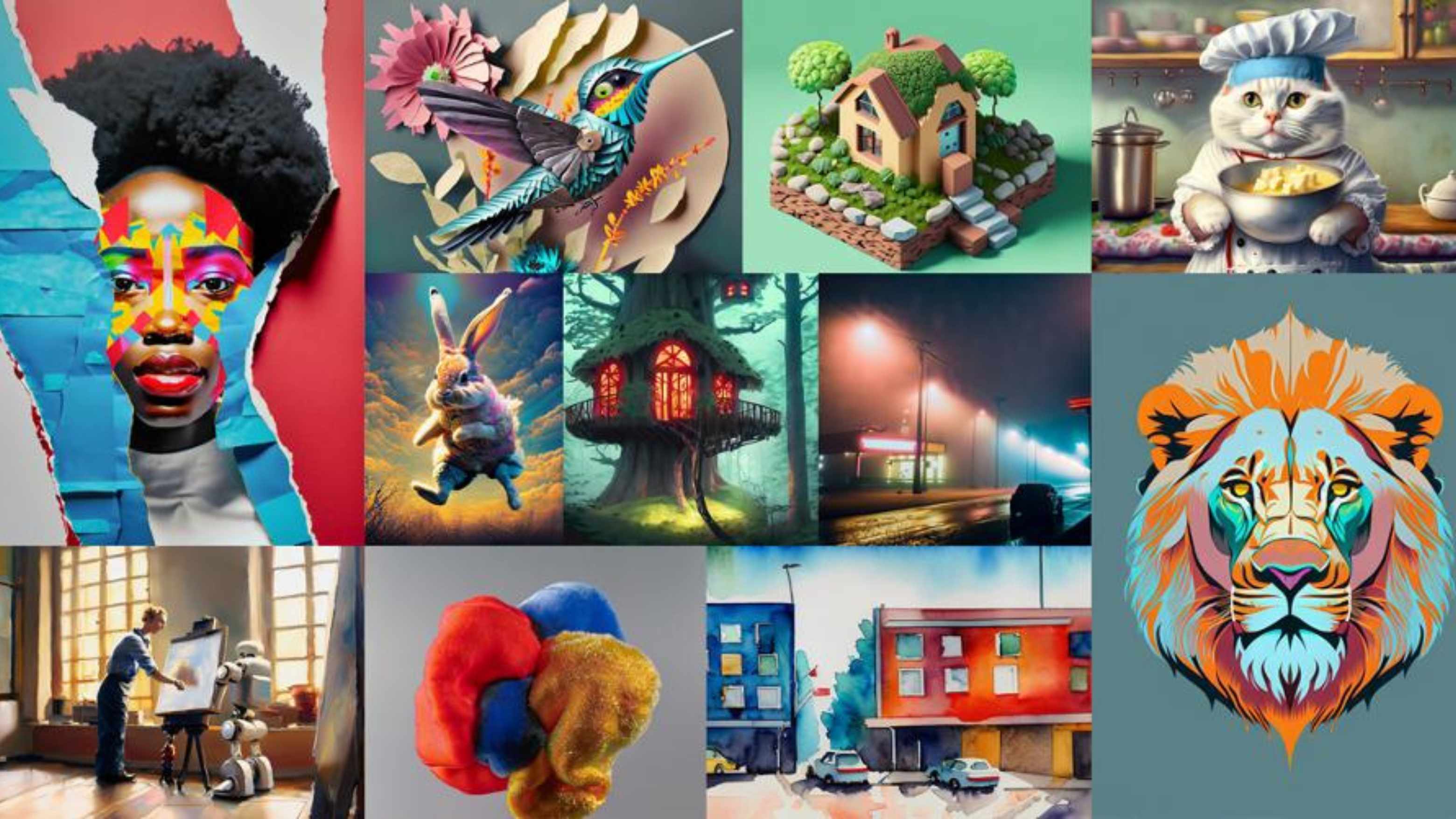
In the realm of generative AI, Adobe’s Firefly AI has held a unique position, leveraging its integration with Adobe Stock and a proprietary dataset of licensed images. However, this advantageous position is now under threat with the entry of Getty Images into the arena. The recent partnership announcement between PicsArt and Getty Images to develop a generative AI model based on Getty’s exclusive library of photos and videos is a clear indication of the intensified competition Adobe’s Firefly AI is facing.
Getty Images teams up with PicsArt
This new partnership connects Getty Images’ extensive creative library with a new generation of marketers and creators. Grant Farhall, chief product officer at Getty Images, stated, “This partnership allows creators to bring their visions to life with high-quality content directly within the PicsArt platform, maintaining the highest commercial safety standards.”
While Getty Images forges ahead with its innovative collaboration, Adobe has been grappling with a user backlash. The controversy was sparked by Adobe’s introduction of new terms and conditions for its Creative Cloud software suite. These changes granted Adobe the right to ‘access [user] content through both automated and manual methods, such as for content review.’ This move triggered a wave of discontent among users, who found themselves unable to log into the programme, uninstall it, or even access customer support once they agreed to the new terms.
Adobe’s response to user backlash
Following the public outcry, which included protests from high-profile users like director Duncan Jones, Adobe took a user-centric approach and published a blog post clarifying the new terms. The Adobe Communications Team explained, “The focus of this update was to be clearer about the improvements to our moderation processes that we have in place. Given the explosion of Generative AI and our commitment to responsible innovation, we have added more human moderation to our content submission review processes.” This reassures users of Adobe’s commitment to their concerns and the responsible use of AI.
Despite these reassurances, the controversy has left a mark on Adobe’s reputation, particularly as it faces growing competition. The new generative AI model from PicsArt and Getty is being built from scratch, promising to produce generated images that comply with copyright laws. This is a significant step forward for the generative AI industry, which has often struggled with adhering to modern copyright regulations due to the use of data scraped from the internet.
What to expect from the PicsArt and Getty collaboration
The upcoming PicsArt and Getty collaboration is expected to launch later this year as an API call through PicsArt’s website. Details about the subscription level required to access the new model are yet to be revealed. However, the company is expected to follow a pricing model similar to Getty Images’ current video integration, which requires a US$5-per-month PicsArt Plus membership.
As the landscape of generative AI evolves, the collaboration between Getty Images and PicsArt is making significant strides. This partnership, by combining Getty’s extensive library of high-quality content with PicsArt’s advanced AI capabilities, aims to equip creators with the necessary tools to produce innovative and commercially safe work, thereby potentially revolutionising the creative process.