

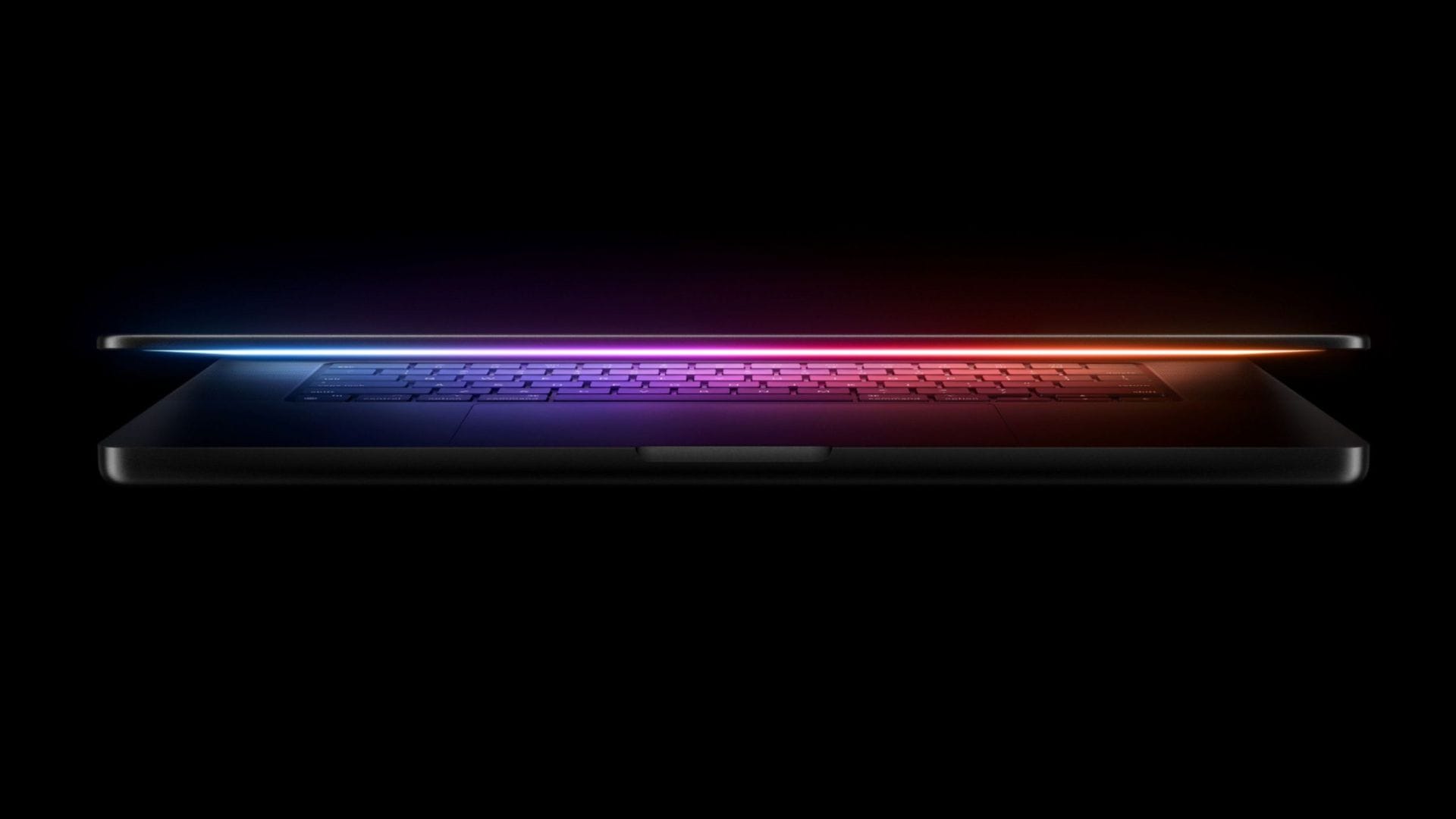
Apple is reportedly preparing to introduce touchscreens to its premium MacBook Pro laptops, with a new interface designed to blend touch and traditional input methods. According to Bloomberg, the company is working on a feature similar to the Dynamic Island seen on iPhones, alongside software changes that respond differently depending on where users touch the screen.
The move would mark a significant shift for Apple, which has long resisted adding touchscreens to its laptops while promoting the iPad as its primary touch-based computing device. If the plans materialise, the new MacBook Pros could arrive with touchscreens as early as this autumn, signalling a major evolution in the macOS experience.
A dynamic interface designed for touch and traditional input
Bloomberg reports that Apple’s touchscreen MacBook Pros will include a dynamic interface that adapts to finger-based interaction. The system is intended to make switching between a trackpad, mouse and touch input feel more natural. When users touch certain on-screen elements, macOS will reportedly present contextual menus with touch-friendly options rather than pointer-based navigation.
The interface is also expected to adjust the size of certain elements, such as the macOS menu bar, to make buttons and controls easier to tap with a finger. These changes would sit alongside familiar touchscreen gestures already found on Apple’s other devices, including smooth scrolling and pinch-to-zoom for images, documents and web pages. Despite the increasing resemblance to the iPad, Bloomberg suggests the laptops will not feature an on-screen keyboard, as Apple intends users to rely on the built-in physical keyboard.
The inclusion of a Dynamic Island-style element on a MacBook could represent a notable expansion of Apple’s design language across devices. On iPhones, the Dynamic Island integrates camera hardware with software features such as alerts and live activities. On a laptop, the concept could enable Apple to introduce new ways to display system information and app controls in a compact, interactive space. However, details on its exact functionality remain limited.
OLED displays could debut on MacBook Pro
In addition to the touchscreen interface, Apple is reportedly planning to introduce OLED displays on the 14-inch and 16-inch MacBook Pro models for the first time. OLED technology offers improved contrast, deeper blacks and more vibrant colours compared with traditional LCD panels. It has already been used across Apple’s product line, including iPhones, Apple Watch models, and the iPad Pro.
Bringing OLED to laptops would be a significant upgrade for MacBook Pro users, particularly for creative professionals who rely on accurate colour reproduction and high contrast. Bloomberg suggests the shift to OLED panels could also make it easier for Apple to integrate a Dynamic Island-style webcam cut-out, as the technology allows for more flexible display designs.
The addition of OLED displays could help Apple differentiate its high-end laptops from competitors and justify premium pricing. However, OLED panels are typically more expensive to manufacture, which could push MacBook Pro prices higher. Apple has not publicly confirmed any of these details, and it remains unclear how the company would position touchscreen MacBooks within its broader product lineup.
Apple enters a crowded touchscreen laptop market
Touchscreen laptops are already common in the Windows ecosystem, with Microsoft and hardware partners offering a range of devices designed for both traditional and touch-based interaction. Windows has long included features to make touchscreens more usable, and some manufacturers have experimented with dynamic interface elements to improve usability further.
Apple’s late entry into touchscreen laptops could still give it an advantage, thanks to its tightly integrated software ecosystem. Modern versions of macOS already feature large icons, touch-friendly layouts and gestures that could translate well to direct screen interaction. Apple has also invested heavily in enabling iPad apps to run on macOS and in helping developers build applications that work across platforms, which could make the transition to touchscreen laptops smoother for users.
Even so, the practicality of reaching up to touch a laptop screen remains a debated issue. Many users find extended touch interaction on a traditional clamshell laptop uncomfortable compared with using a tablet or a convertible device. Apple’s approach appears to focus on enhancing convenience rather than replacing traditional input methods, positioning touch as an optional layer of interaction rather than a primary control scheme.
If Apple does introduce touchscreen MacBook Pros with a dynamic interface and OLED displays, it would represent one of the most significant changes to the MacBook line in recent years. The company’s ability to integrate hardware and software could help it deliver a polished experience from day one. Still, the success of the move will depend on how well the new features align with user needs and expectations.