

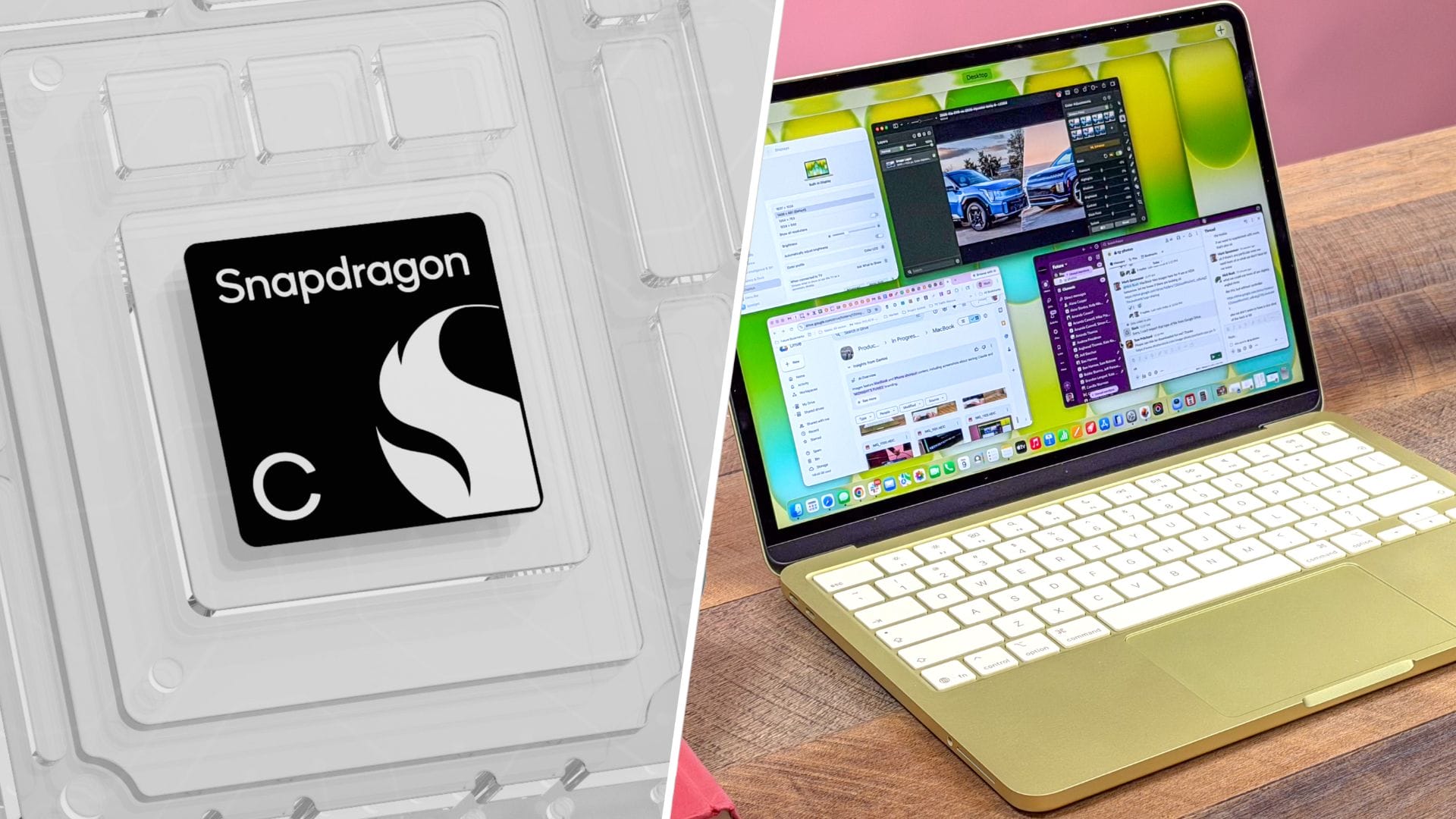
Qualcomm has introduced the Snapdragon C processor, a new chip designed to power entry-level Windows laptops priced from around US$300. The announcement was made during Computex, as the company aims to expand its presence in the lower-cost PC market with devices focused on battery life and everyday performance.
The launch comes as competition in the affordable laptop segment intensifies following the arrival of Apple’s MacBook Neo, which starts at US$599 and US$499 for students. The device has shifted expectations around what consumers can expect from budget laptops, particularly in terms of efficiency and portability.
Qualcomm targets budget laptop market
Qualcomm said the Snapdragon C processor is intended to deliver “responsive performance, cool, quiet designs and… all-day battery life in entry-tier laptops targeting $300 and up.” The company positioned the chip as a solution for users seeking reliable performance for daily tasks without the high cost associated with premium laptops.
The processor is not aimed at demanding workloads such as 3D rendering or 8K video editing. Instead, Qualcomm said it has been designed for routine activities including web browsing, video streaming and office productivity. The company added that the chip delivers consistent performance for common tasks while maintaining low power consumption.
A notable feature of the Snapdragon C is the inclusion of an integrated neural processing unit, or NPU, which enables artificial intelligence functions on the device itself. AI features have increasingly become a key selling point in personal computers, but they have largely been absent from lower-priced laptops due to hardware limitations and cost considerations.
Qualcomm said the processor’s ARM-based architecture allows for improved efficiency compared with many traditional entry-level laptop chips. This approach could help manufacturers create devices that are thinner, quieter and able to operate for longer periods without charging.
Shift away from traditional laptop processors
For years, affordable Windows laptops have often struggled with performance and battery life, particularly those powered by older Intel-based processors. Many budget devices have been criticised for slow speeds, overheating and limited portability, making them less appealing to students and casual users.
The growing popularity of ARM-based processors in consumer devices has encouraged manufacturers to rethink laptop design. Apple’s transition away from Intel chips demonstrated that ARM architecture could provide strong efficiency and long battery life without sacrificing day-to-day usability.
Qualcomm is now attempting to bring similar benefits to the Windows ecosystem. By offering a processor specifically designed for low-cost laptops, the company is giving PC manufacturers an alternative to traditional x86 chips that have dominated the market for decades.
Industry analysts have noted that ARM-based processors could become more common in affordable laptops as software compatibility improves and consumers place greater importance on portability and battery performance. Qualcomm’s latest announcement suggests the company sees significant demand for devices that can provide acceptable everyday performance at lower price points.
The company also emphasised the Snapdragon C’s thermal efficiency. According to Qualcomm, the processor enables laptop designs that remain cool and quiet during regular use, reducing the need for larger cooling systems. This could allow manufacturers to produce slimmer, lighter devices aimed at students, remote workers, and first-time laptop buyers.
Laptop makers prepare new Snapdragon-powered devices
Qualcomm confirmed that laptops using the Snapdragon C processor are expected to launch later this year. Manufacturers, including Acer, HP and Lenovo, are set to release devices built around the new chip, signalling broad support from major PC brands.
The success of these products will likely depend on whether manufacturers can meet Qualcomm’s target pricing while still offering a strong user experience. If the laptops deliver the promised combination of affordability, battery life and smooth performance, they could attract consumers looking for alternatives to more expensive devices.
Competition in the budget laptop market has become increasingly important as consumers seek devices capable of handling remote work, online learning and streaming without paying premium prices. Entry-level laptops are also becoming more significant in emerging markets, where affordability remains a key purchasing factor.
Qualcomm’s move may also increase pressure on rival chipmakers to improve efficiency and battery performance in lower-cost systems. The company has already gained attention in the premium Windows laptop segment with its Snapdragon X series processors, and the Snapdragon C represents an effort to extend that strategy into more affordable categories.
While it remains unclear how the first Snapdragon C laptops will perform in real-world use, the announcement reflects broader changes in the PC industry as manufacturers explore alternatives to traditional processors. The coming months will show whether consumers are ready to embrace ARM-powered Windows laptops at the entry level.