


Monday, 1 December 2025
27.2 C
Singapore
23.4 C
Thailand
22.3 C
Indonesia
27.9 C
Philippines

Google’s payment to Apple: 36% of Safari ad revenues

Google pays Apple 36% of Safari search ad revenues, a confidential figure revealed during a DOJ trial, highlighting the tech giants' intricate relationship.

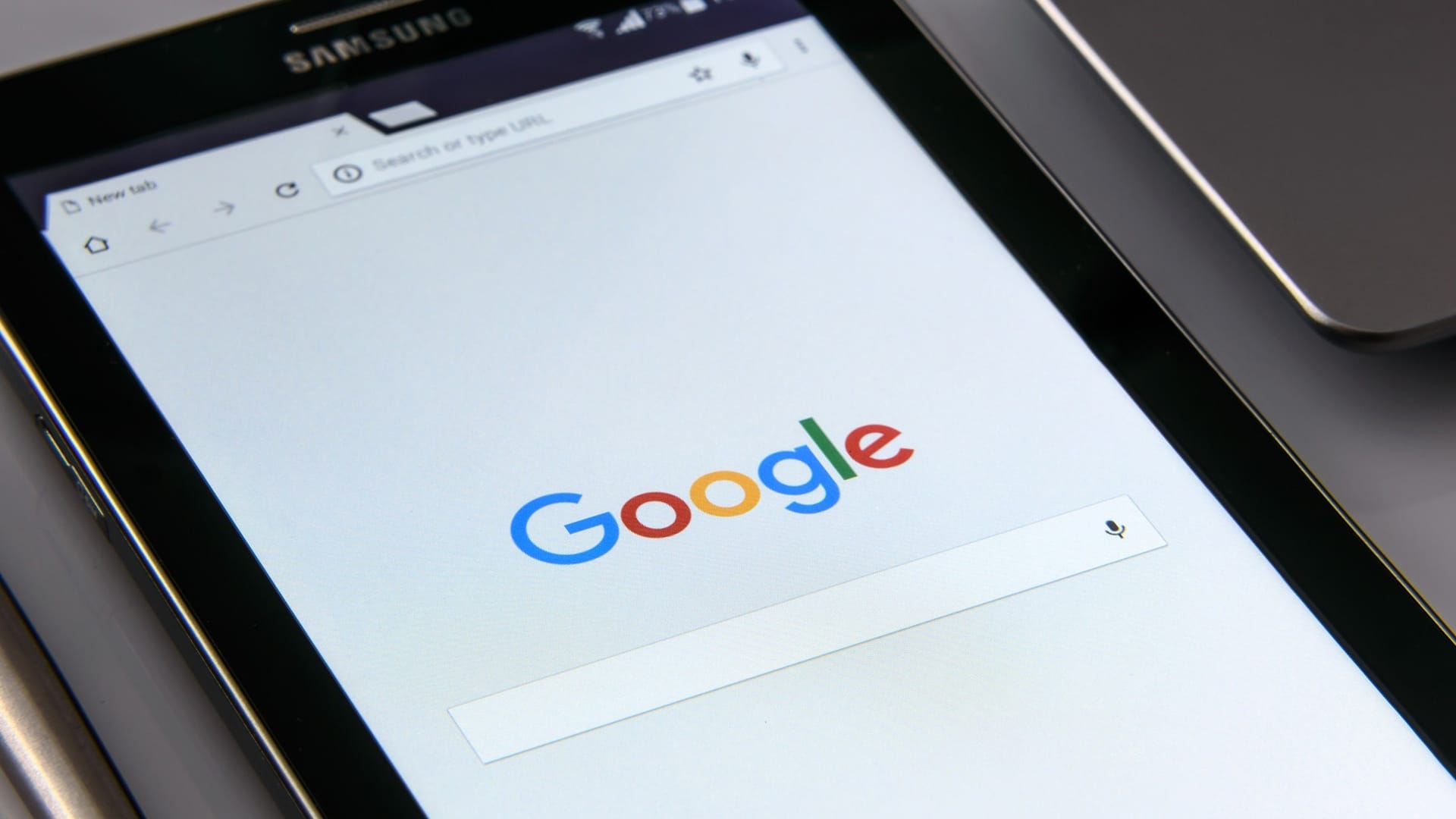
Google has been found to pay Apple a significant 36% of the advertising revenue generated from Google searches on Apple’s Safari browser. This previously confidential detail was disclosed by University of Chicago economics professor Kevin Murphy during his testimony in Alphabet’s ongoing trial with the Justice Department in Washington. Bloomberg first reported this revelation on Monday.

Tech giants under scrutiny

This information casts new light on the relationship between Google and Apple, two of the world’s largest tech companies. Their partnership has been the subject of antitrust investigations in recent years. The Department of Justice (DOJ) accuses Google of using its substantial resources to maintain its dominance in the market. This includes paying large sums to companies like Apple to ensure Google remains the default search engine on popular devices like iPhones, iPads, and Macs. In 2021, it was reported that Google paid Apple approximately US$18 billion for this default status, according to a New York Times article.

Concerns over public disclosure

Last week, both Google and Apple expressed concerns about publicising their agreement’s specifics. Google argued in a court filing that revealing more details could “unreasonably undermine Google’s competitive standing in relation to both competitors and other counterparties.”

The financial impact

While the exact amount of advertising revenue Google earns from Safari searches is unknown, given Google’s total revenue of US$279.8 billion in 2022, with a significant portion from advertising, the 36% paid to Apple could easily amount to tens of billions of dollars.

Hot this week

Chrome tests new privacy feature to limit precise location sharing on Android

Chrome for Android tests a new privacy feature that lets websites access only approximate location data instead of precise GPS information.

ShadowV2 botnet spotted during AWS outage, researchers warn of possible return

ShadowV2 botnet briefly emerged during the AWS outage, targeting IoT devices, raising concerns about future cyberattacks.

Xbox consoles may face another price rise as a leaker warns of a global RAM shortage

Xbox Series X and Series S prices may rise again, as a leaker claims, as Microsoft could face a global RAM shortage.

Qualcomm introduces Snapdragon 8 Gen 5 as streamlined alternative to Elite chipset

Qualcomm launches the Snapdragon 8 Gen 5 chipset, offering strong performance, AI features, and expected availability in devices within weeks.

Google DeepMind opens new AI research lab in Singapore to strengthen regional language capabilities

Google DeepMind opens a new AI lab in Singapore to boost regional language understanding, research partnerships, and real-world innovation.

Honor showcases early low-light camera performance of the Magic 8 Pro

Honor offers an early look at the Magic 8 Pro’s upgraded low-light camera performance during brief testing at the Singapore Oceanarium.

Porsche unveils new electric-only Cayenne with up to 1,140hp and wireless charging

Porsche launches the new electric-only Cayenne with up to 1,140hp, ultra-fast charging, wireless charging, and improved practicality.

Team Cherry confirms more Silksong content without a release date

Team Cherry is working on new Hollow Knight: Silksong content, but no release date has been announced.

Ayaneo unveils the Next II, a powerful handheld with a 9-inch display

Ayaneo reveals the Next II handheld with a 9-inch OLED display, a Ryzen AI Max+ chip, and advanced controls, aimed at high-end gamers.

Related Articles

Popular Categories