


Meta has agreed to finance a major expansion of energy infrastructure to support what is set to become its largest data centre to date, according to reports published on 28 March.
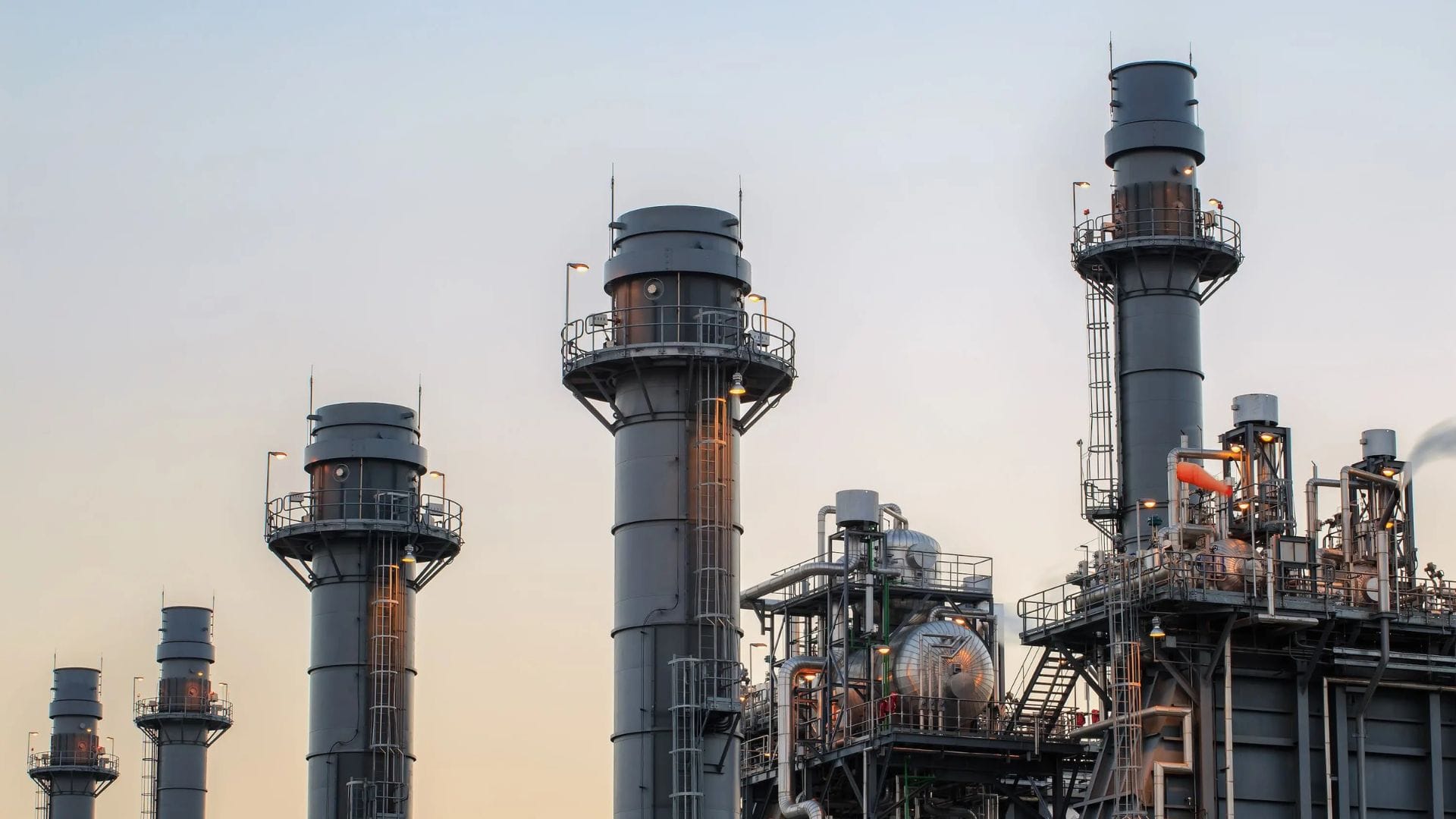
The company has struck a deal with Entergy Louisiana to fund the construction of seven natural gas power plants, alongside hundreds of miles of transmission lines and additional energy storage systems. The agreement is tied to Meta’s planned US$27 billion data centre development in Richland Parish, Louisiana, which is currently under construction.
Under the arrangement, the new gas plants will collectively generate up to 5,200 megawatts of electricity, while approximately 240 miles of transmission infrastructure will operate at 500 kilovolts. Battery storage facilities will also be deployed across three separate locations to support energy reliability.
The planned facility, spanning around four million square feet, is expected to be Meta’s largest data centre globally. The scale of the project reflects the growing demand for computing power driven by artificial intelligence technologies and cloud-based services.
Energy strategy reflects rising demand from AI infrastructure
In addition to the natural gas investment, Meta has committed to supporting up to 2,500 megawatts of new renewable energy capacity. The company has also signed a memorandum of understanding related to potential future nuclear energy development, signalling a broader, long-term approach to securing power for its operations.
The deal comes amid increasing pressure on technology firms to address the environmental and economic impact of energy-intensive data centres. Major companies, including Meta, have recently pledged to offset rising electricity costs for local communities affected by such developments.
As part of that commitment, the companies said they would “build, bring or buy the new generation resources and electricity needed to satisfy their new energy demands, paying the full cost of those resources.” However, the pledge is voluntary and does not include binding obligations or enforcement mechanisms.
The expansion of AI infrastructure has significantly increased electricity consumption across the sector. Data centres require continuous, high-capacity power supplies, prompting companies to secure dedicated energy sources rather than relying solely on existing public grids.
Meta’s approach suggests a shift towards directly funding large-scale energy projects to ensure a stable supply while managing public concerns about cost and sustainability.
Political and public scrutiny continues to grow
The announcement comes amid mounting public concern over the environmental and economic impacts of large data centre developments. Communities in several regions have raised objections over increased energy demand, higher utility costs and the environmental footprint associated with fossil fuel use.
A poll conducted in December found that 60 per cent of Americans support stronger regulation of artificial intelligence, reflecting growing unease across political lines. The findings indicate support among Democrats, Republicans and independent voters alike.
This week, lawmakers, including Bernie Sanders and Alexandria Ocasio-Cortez, introduced legislation proposing a temporary halt to new data centre construction. The proposed measure would remain in place until more comprehensive regulatory frameworks are established.
Critics argue that voluntary commitments from technology companies may not be sufficient to address the broader impacts of rapid infrastructure expansion. While firms have sought to demonstrate responsibility through investment and pledges, concerns remain about accountability and long-term environmental consequences.
The latest move by Meta may be seen as part of a broader effort by large technology companies to reassure regulators and the public that they can responsibly manage the demands of AI growth. However, with regulatory pressure increasing, further scrutiny of such projects is likely in the months ahead.