

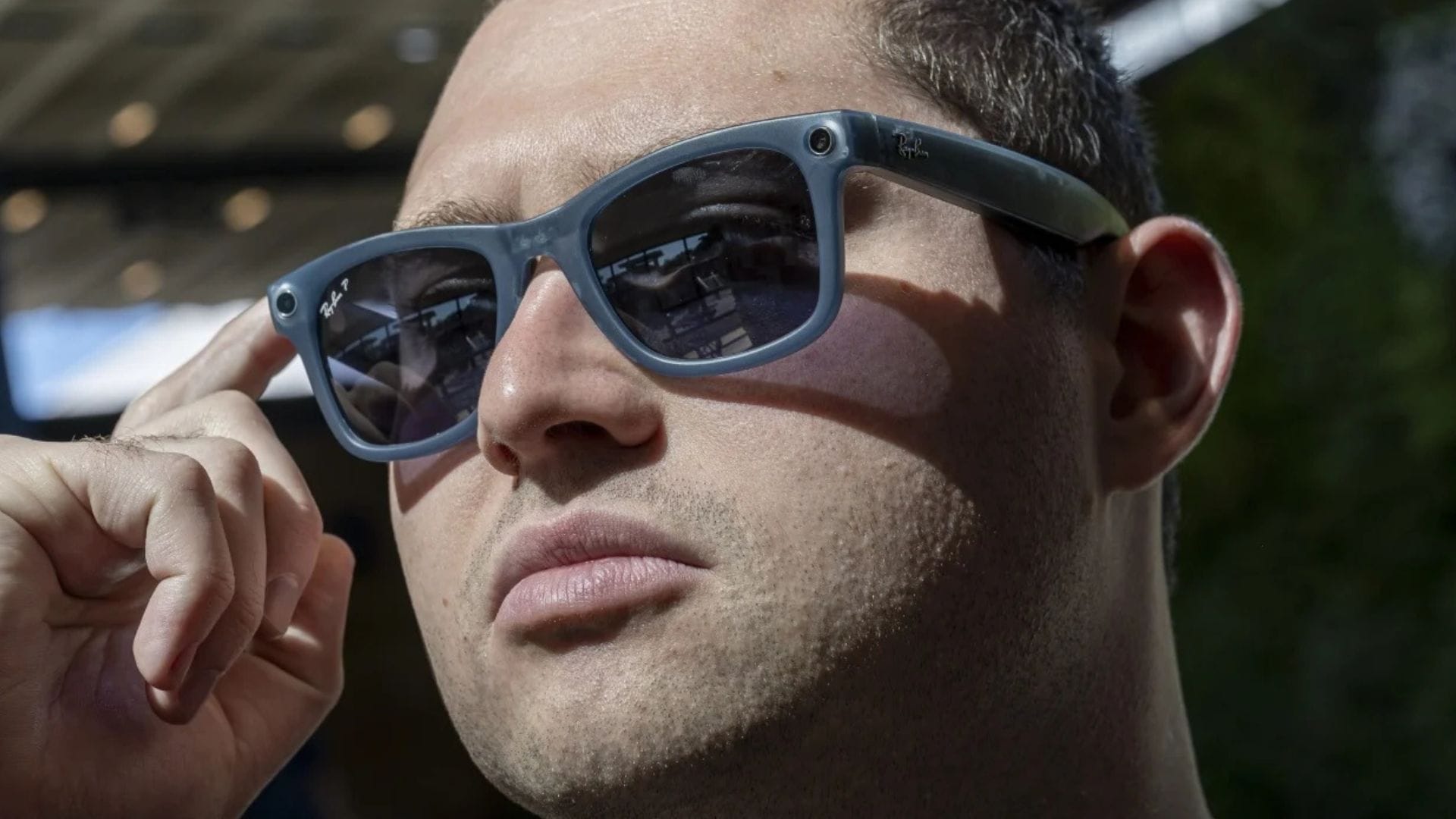
The growing presence of smart glasses in public spaces has prompted fresh debate about privacy, with a new smartphone app aiming to give people greater awareness of when such devices may be close by. The app, called Nearby Glasses, has been developed to notify users when smart glasses are likely operating nearby.
The software was created in response to media reports highlighting how smart glasses, including Meta’s Ray-Ban Stories, have been used to record individuals without their knowledge or consent. As wearable technology becomes more discreet and capable, concerns have intensified over how easily people can be filmed in everyday settings without realising it.
How the app works
Nearby Glasses functions by detecting the Bluetooth signals emitted by compatible smart glasses. Each device broadcasts a unique Bluetooth signature, which the app scans for in the surrounding area. When it identifies a signal from a supported smart glasses device, it sends a push notification warning that someone wearing the device may be nearby.
The app’s developer, Yves Jeanrenaud, described the project as a small attempt to push back against what he sees as an expansion of surveillance capabilities. “I consider it to be a tiny part of resistance against surveillance tech,” he told technology news outlet 404 Media. The app does not confirm that a person is actively recording; instead, it alerts users to the potential presence of a device capable of recording.
Because the detection method relies on Bluetooth signals, the app is not infallible. False positives may occur if other electronic devices emit signals similar to those of the device under test. For example, some virtual reality headsets could be incorrectly flagged as smart glasses. As a result, the app is positioned as an awareness tool rather than a definitive detection system.
Rising concerns over wearable surveillance
Smart glasses have evolved rapidly in recent years, combining lightweight frames with built-in cameras, microphones and speakers. While manufacturers market them as hands-free tools for capturing memories or accessing digital assistants, privacy advocates argue that their discreet design makes covert recording easier than with traditional smartphones.
Meta has been at the centre of this debate, particularly amid reports that it is exploring adding facial recognition technology to future versions of its Ray-Ban smart glasses. Such capabilities would raise further ethical and legal questions, especially in countries with strict data protection laws. Critics warn that combining facial recognition with wearable cameras could allow wearers to identify strangers in real time without their consent.
Other technology companies are also believed to be developing similar products. OpenAI is reportedly working on its own pair of smart glasses, signalling that competition in the wearable computing market is likely to intensify. As more firms enter the sector, the number of devices in circulation could increase significantly, amplifying concerns around public recording and data collection.
Privacy experts note that while filming in public places is often legal, the social norms around constant recording remain unsettled. The addition of advanced artificial intelligence features, such as real-time object recognition or facial analysis, could further complicate the issue. For many observers, the key question is how to balance innovation with the right to personal privacy.
Availability and broader implications
Nearby Glasses is currently available on the Google Play Store, making it accessible to Android users. The developer has also made the project available on GitHub, allowing others to review the code and potentially contribute improvements. By releasing the software publicly, Jeanrenaud is encouraging transparency and collaboration around tools designed to address surveillance concerns.
The app’s emergence reflects a broader trend in which individuals and developers create countermeasures to monitor or mitigate new technologies. While companies continue to refine wearable devices and expand their features, a parallel ecosystem of tools aimed at increasing transparency is beginning to take shape.
It remains to be seen how effective Nearby Glasses will prove in everyday use. Its reliance on Bluetooth detection means it can only identify devices that are actively broadcasting and match known signatures. Nevertheless, its launch underscores the level of unease surrounding wearable cameras and the direction in which the technology industry is heading.
As smart glasses become more common, the debate over privacy, consent and surveillance is likely to intensify. Apps such as Nearby Glasses highlight the growing demand for greater visibility into the devices operating in shared public spaces.