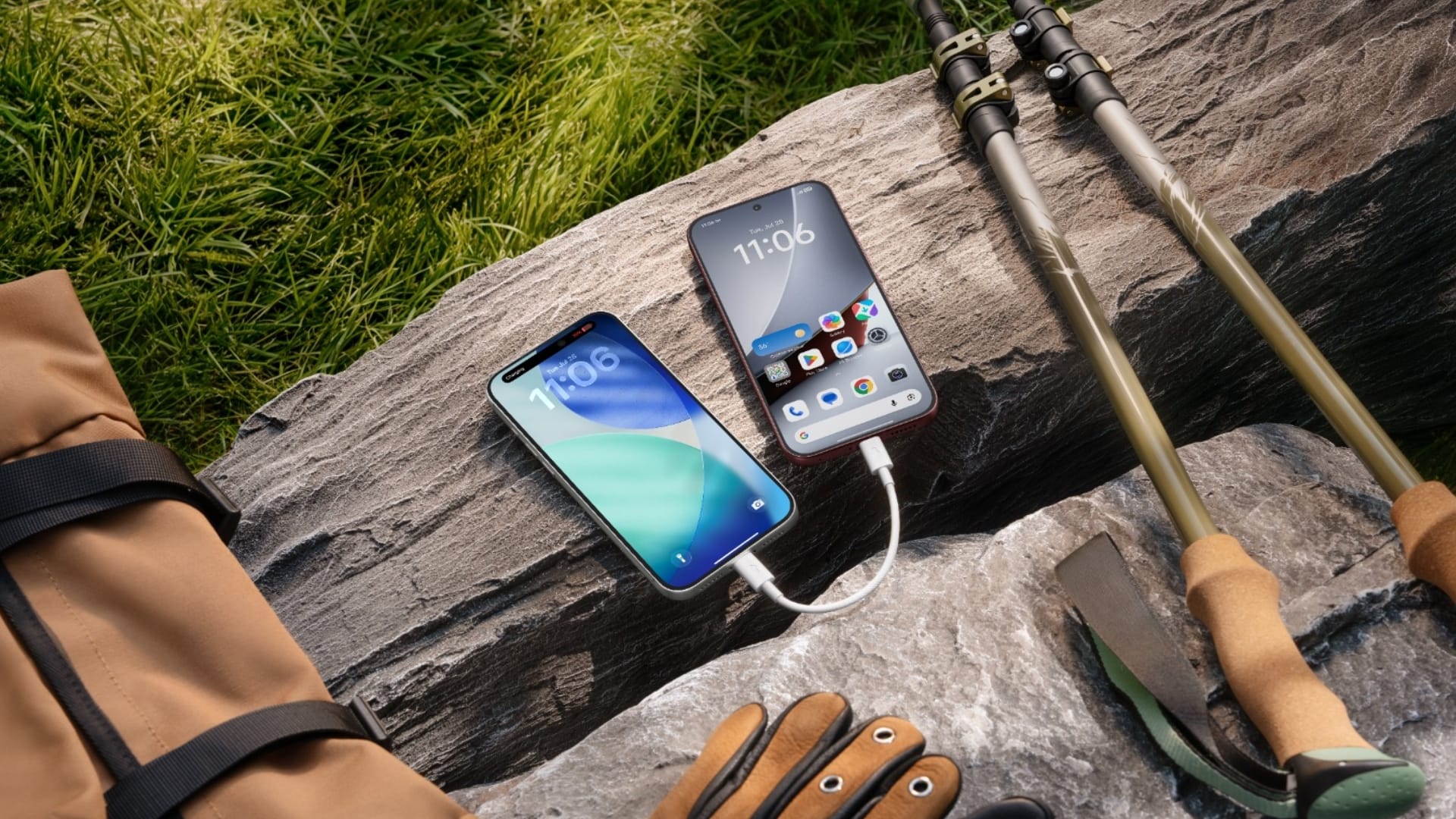


Flip over almost any high-end Chinese smartphone today, and you’ll see a familiar European name circling the camera. These logos, representing the pinnacle of 20th-century optics, have found a new home on modern devices of glass and aluminium: Leica on Xiaomi’s Ultra phones, Zeiss on vivo’s X-series, and Hasselblad on OPPO’s flagships. For years, OnePlus followed this same path—until recently. With the debut of its in-house DetailMax Engine, OnePlus has effectively ‘graduated’ from borrowed prestige to proprietary tech, signalling a major shift in how Chinese brands value these European partnerships.
That said, the marketing narrative suggests that legacy camera manufacturers have arrived to transform mobile photography with decades of optical expertise. In reality, the collaboration is strictly defined and strategically limited.
Xiaomi, vivo, OPPO and OnePlus (in the past) pay Leica, Zeiss and Hasselblad for three specific assets: colour science, lens validation, and brand credibility. For the European camera brands, facing a structural decline in the standalone camera market, these deals represent a way to monetise their heritage. However, the most critical element of mobile photography in 2026, the computational algorithms, still remains the exclusive domain of the smartphone manufacturers.
The deal is narrower than it looks
Start with what the phone brands get for their money, because it’s more concrete than the marketing language suggests.
First is colour science. If you shoot with a Leica-branded Xiaomi, a Zeiss-branded vivo or a Hasselblad-branded OPPO, you’re not just getting generic Android processing with a logo slapped on top. Those companies sit with the phone makers and define how the camera should render colour, skin tones, contrast and white balance.
That’s why Xiaomi offers “Leica Authentic” and “Leica Vibrant” modes. They’re not just filters, they’re colour pipelines signed off in Wetzlar. vivo talks about “Zeiss Natural Color,” a set of tuning decisions meant to prevent skies from going neon blue and faces from going orange. OPPO leans on “Hasselblad colour science,” an attempt to echo the calmer, denser look of Hasselblad’s medium-format cameras.
Second is optics and coatings. The heritage brands don’t run the factories that make smartphone lenses, but they do review optical designs and license their coatings. Zeiss’s T* coating is used to tame flare and internal reflections. Leica sets standards for distortion and vignetting and signs off on test protocols. Fast release cycles and cost pressures have also transformed external optics brands into high-end auditors.
Then there’s the third element, which is the most obvious and the least technical, which is the brand. A Leica logo on a camera bump immediately signals “serious photography” to a certain kind of buyer. Hasselblad evokes studio and space history. Zeiss carries the weight of high-end cinema and medical optics. For brands attempting to breach the US$1,200 four-figure ceiling, this borrowed prestige is essential to justify the premium margins.
The logo doesn’t mean what you think it means
All of this sounds substantial, and it is, but it lives inside tight boundaries.
Leica, Zeiss and Hasselblad do not manufacture the camera modules in these phones. That work is done by suppliers like Sunny Optical and Largan Precision, based on designs specified by the phone manufacturers.
They don’t pick the sensors either. Those come from Sony, Samsung or OmniVision. Xiaomi’s Ultra phones have used Sony’s large-format smartphone sensors; vivo’s camera flagships do the same. The choice of sensor is a procurement and product decision made in Beijing or Shenzhen, not in Germany or Sweden.
Most importantly, the heritage brands are not writing the code. The multi-frame HDR, night mode stacking, AI scene detection, and video stabilisation—that’s all in-house work. The teams building those pipelines sit inside Xiaomi, vivo, OPPO and OnePlus.
The recent announcement from OnePlus also confirms what enthusiasts have long suspected: the ‘secret sauce’ was always in-house. By rebranding its stack as the DetailMax Engine, OnePlus is claiming ownership of the multi-frame HDR and AI synthesis that Hasselblad never actually touched. This move strips away the marketing ‘sticker’ to reveal that the computational lifting has always been a Shenzhen-led operation.
So when you shoot a picture on a Xiaomi Ultra, three distinct pieces come together: a high-performance sensor sourced from a supplier such as Sony, a suite of computational photography algorithms developed in-house by Xiaomi, and a layer of colour science and optical validation provided by Leica. The logo on the back represents the third part, not the whole system.
Strategic necessity for camera makers
To understand why these revered camera names are willing to become small components in someone else’s product, you have to look at what’s happened to their home turf.
Digital camera sales have collapsed over the past decade and a half. The compact camera market has essentially been eaten by smartphones. Even enthusiast and semi-pro cameras have taken a hit as “good enough” phone cameras get better every year. Leica’s rangefinder bodies, Hasselblad’s medium-format kits and Zeiss’s high-end lenses still sell, but to a narrower, more specialised audience.
Licensing deals with smartphone makers offer something their traditional business can’t. Scale without factories. Instead of investing in new camera lines for a shrinking market, they can license know-how and branding into a booming one. Even modest per-device fees look attractive when they apply to millions of phones.
Beyond technical collaboration, these partnerships offer the intangible advantage of brand salience. While a young professional in Beijing or Jakarta may never invest in a standalone Leica M or Hasselblad X system, they are likely to encounter these marques on a Xiaomi or OPPO flagship. This exposure retains consumer mindshare among a demographic that might otherwise view heritage camera brands as relics, even though the underlying hardware is a Chinese-made device powered by Sony sensors. This cultural integration ensures that brands like Leica and Zeiss remain relevant in the mobile-first era, effectively future-proofing their reputations.
Notably, these agreements do not cannibalise standalone camera sales. A smartphone equipped with a 1-inch-type sensor cannot replicate the performance of a full-frame Leica or a medium-format Hasselblad. The fundamental physics of sensor area and lens volume maintain a definitive boundary between mobile devices and purpose-built professional systems.
The regional competitive landscape
It is telling that these contracts are almost exclusively held by Chinese manufacturers. This trend began with the Huawei and Leica partnership, which defined a generation of P-series devices before US trade restrictions intervened.
Chinese brands occupy a complex position in the premium segment. While their hardware often exceeds that of Apple or Samsung, they lack the same inherent brand premium in many global markets. Heritage camera branding helps bridge this gap. In China, where camera performance is a primary driver for flagship purchases, these logos reassure buyers that the device is a serious photographic tool.
Furthermore, domestic competition in China is fierce. Most Android flagships use identical sensors and multi-camera arrays. When hardware becomes commoditised, tuning and branding become the primary differentiators. A European partnership provides a unique narrative that competitors cannot easily replicate.
Contrast that with Apple, Google and Samsung, where they already own the high ground in brand and pricing. Their story is “our cameras are great because our software and silicon are great,” not “because we borrowed someone else’s reputation.” Therefore, they’d gain less from a Leica or Hasselblad branding than a Chinese brand does.
The partnerships deliver less than the software does
So are these partnerships just stickers? Not quite. If you compare photos carefully, the colour decisions and flare control that emerge from collaborations between Leica, Zeiss and Hasselblad are real and often quite tasteful. Portraits can look less plasticky, highlights can roll off more gracefully, and backlit scenes can be less of a mess.
But the big leaps in phone photography over the last decade haven’t come from glass. They’ve come from computation. Google’s HDR+, Apple’s Deep Fusion and Photonic Engine, Xiaomi’s multi-frame night modes, vivo’s portrait segmentation. These are the things that let you hand a phone to a non-photographer and get a sharp, balanced shot out of almost anything.
That software doesn’t come from Wetzlar or Gothenburg. It comes from machine learning researchers and image processing engineers within phone companies. Which is why you routinely see Google Pixels and iPhones, with no heritage branding at all, at the top of blind camera tests.
The European names on Chinese phones do two things at once. They nudge the images toward a particular aesthetic and signal that care has been taken. The signal is often more visible than the nudge.
Strategic equity and technical independence
The fundamental exchange between smartphone manufacturers and heritage camera brands remains a pragmatic one. Chinese manufacturers are essentially leasing a century of photographic prestige to secure a foothold in the high-margin premium segment, while Leica, Zeiss, and Hasselblad are successfully pivoting into licensing-heavy business models to offset the decline of dedicated hardware sales.
However, the core intellectual property of modern imaging remains unchanged. The computational frameworks that transform raw data into a balanced photograph are proprietary assets held by the smartphone manufacturers, not their European partners.
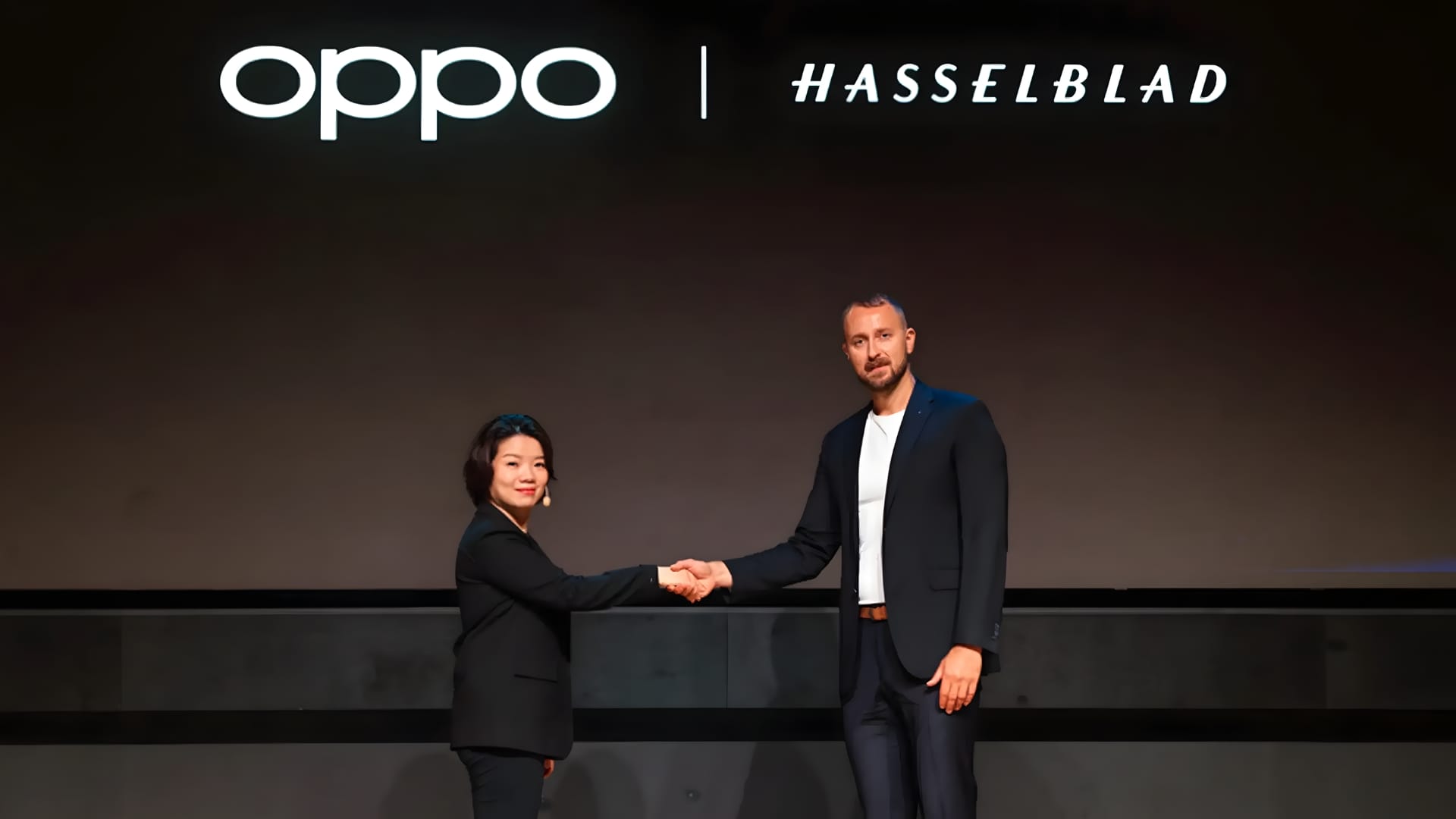
The conclusion of the OnePlus-Hasselblad partnership indicates that these collaborations may have a finite lifecycle. After five years of integration, OnePlus appears confident that its DetailMax algorithms have reached a level of maturity sufficient to assert technical independence. By prioritising its own imaging engine over a borrowed legacy, OnePlus is attempting to replicate the market positioning of Apple and Samsung, where brand equity is anchored in proprietary engineering rather than external validation. It is a strategic pivot that suggests the era of the “logo on the lens” may eventually give way to a new era of in-house computational dominance.