


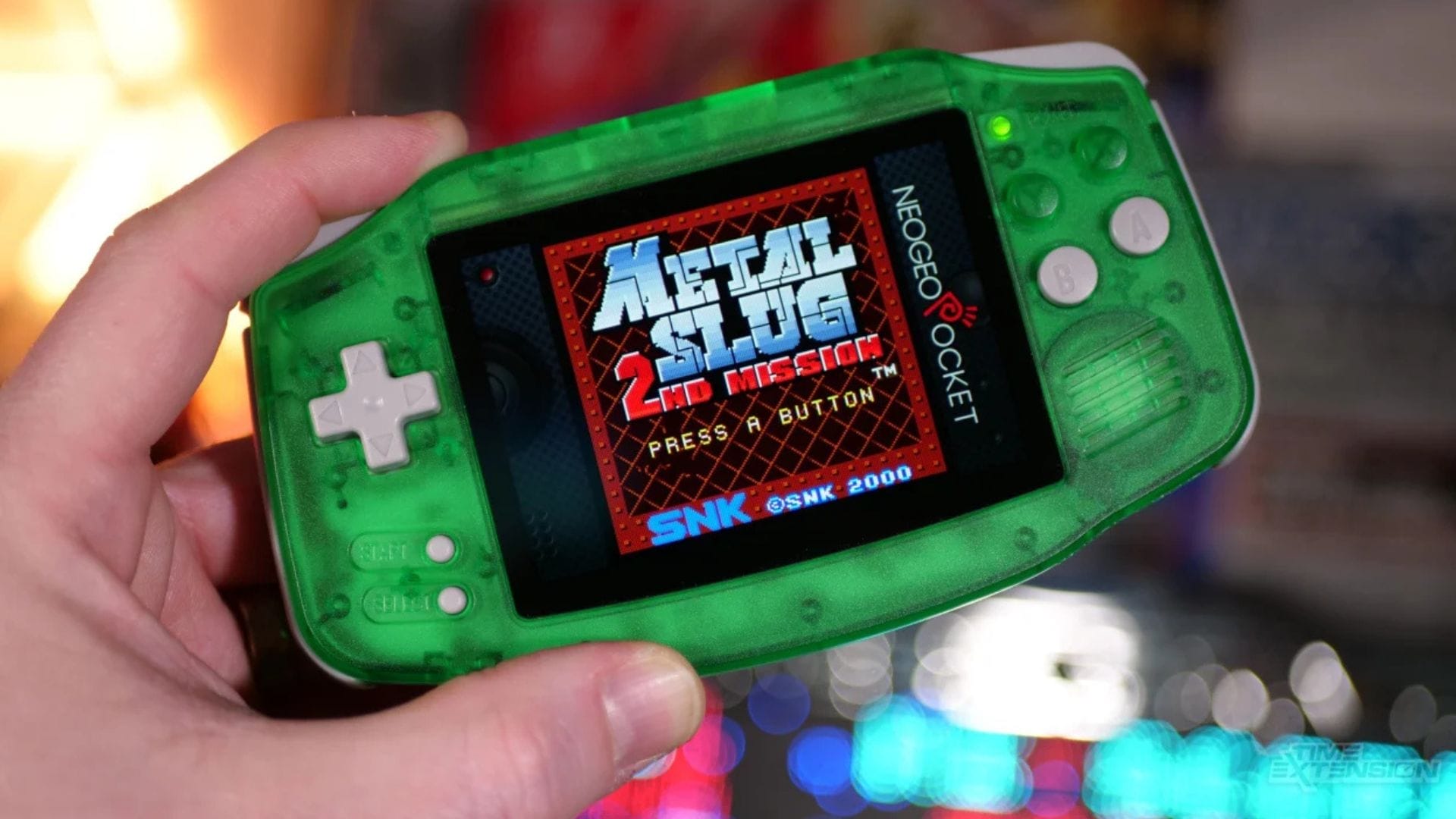
Anbernic, a well-known maker of retro handheld consoles that resemble the classic Nintendo Game Boy, has completely halted all direct shipments from China to the United States. The move comes in response to changes in US tariff policies, which may significantly raise the cost of importing goods from China.
US tariffs push Anbernic to suspend shipments
You may have noticed growing chatter around US plans to impose steep tariffs on Chinese goods—as high as 245 per cent. While these changes haven’t fully taken effect, companies like Anbernic aren’t waiting to determine how badly they’ll be impacted. Instead, they’ve chosen to take action now.
“Due to changes in U.S. tariff policies, we will be suspending all orders shipping from China to the United States starting today,” Anbernic wrote in a recent statement. If you’re shopping for one of their retro gaming consoles, you’re now urged to choose items shipped from their US-based warehouse. According to the company, products from that warehouse are “currently not affected by import duties and can be purchased with confidence.”
Despite what some may think, Anbernic didn’t suddenly open a US warehouse because of the tariffs. Their American warehouse option has existed for some time. Typically, Anbernic first launches new products by shipping them directly from China then moves extra stock into the US for faster delivery. When checking out on their website, you’ve always been able to choose which warehouse you’d like your order to come from.
Warning signs started earlier this month
Even before this formal pause on shipments, Anbernic had started warning US customers. You were advised to use the US warehouse for your orders as early as last week. The reason? High customs duties could apply to items shipped from China. The company suggested you “consider this potential risk when making your purchase decisions.”
Now, that caution has become a clear decision: no more direct shipments from China to US buyers. The situation mirrors that of RetroTINK, another company that recently stopped US shipments not only due to tariffs but also because of the uncertainty over how those tariffs would be collected.
If you try to buy from Anbernic’s Chinese warehouse today, you’ll still see the option on the website — but the company has placed warning messages throughout, and it won’t let you complete the purchase. This suggests the suspension is already being enforced across their online platform.
What’s at stake for fans of retro gaming?
If you love affordable retro consoles, this news is especially disappointing. Anbernic’s handhelds are popular partly because of their low price — many newer models cost around US$70. That affordability is now at risk. If tariffs are introduced in full force and the exemption for low-cost imports is removed, prices could climb significantly, or some models may disappear from the US market entirely.
It’s unknown how Anbernic — or other similar brands — might adapt if these new tariffs stay in place. Resuming Chinese shipments may not be financially possible unless there’s a shift in policy.
You can still find Anbernic’s consoles in the US through third-party sellers like Amazon. However, some of those versions include preloaded ROMs from Nintendo, Sega, and Sony — which can raise legal concerns. So, if you’re browsing, it’s worth knowing what you’re buying.
To keep up with the latest changes, Retro Handhelds offers an updated page that tracks how tariffs affect various console makers. Anbernic is the only one that has fully suspended US shipments.