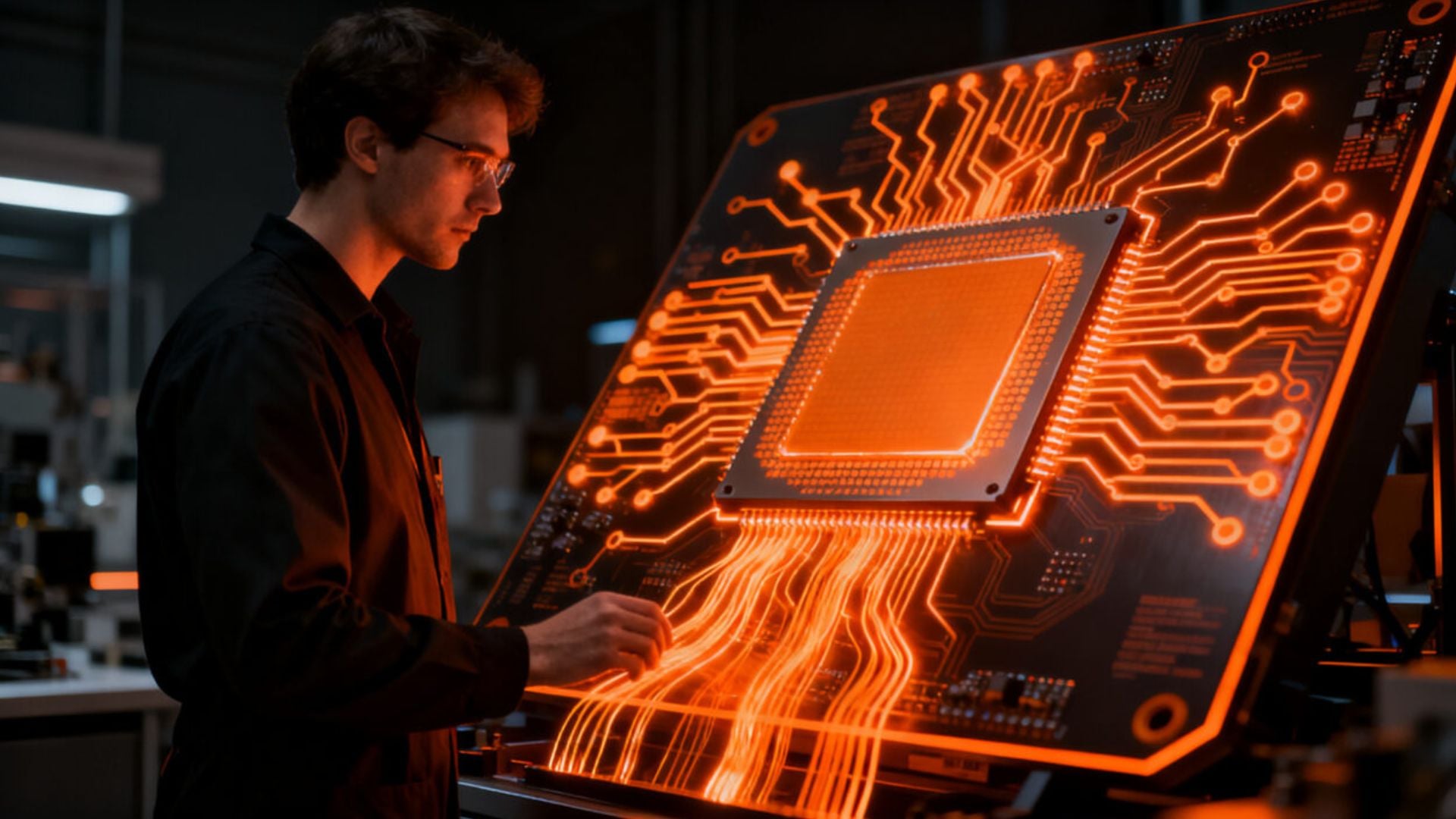


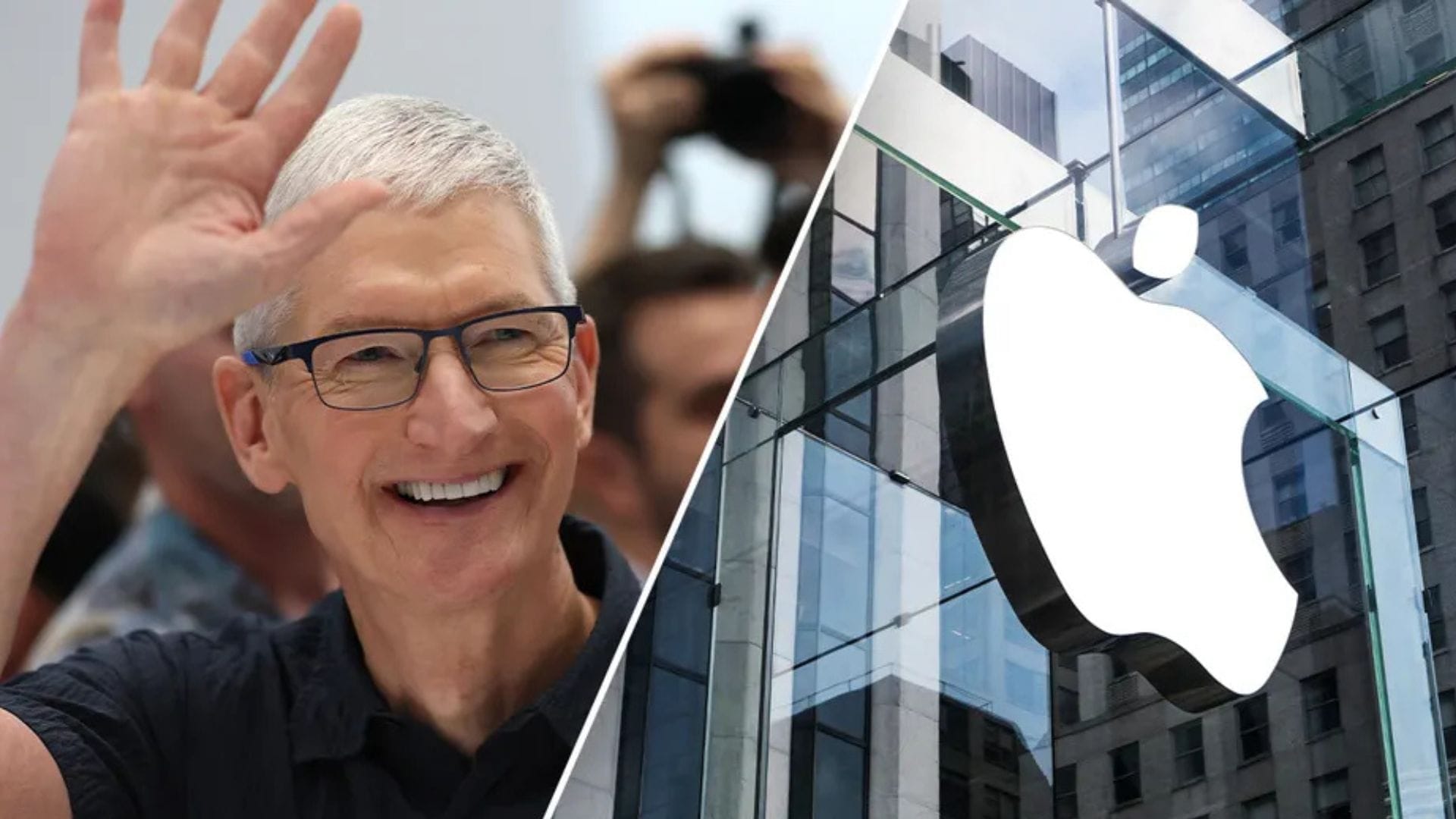
Apple has announced a massive US$500 billion investment in the United States over the next four years. The tech giant’s plan includes manufacturing, engineering, and education initiatives, strongly focusing on artificial intelligence (AI) and chip production. A key part of this investment is constructing a new AI server manufacturing facility in Houston, Texas.
The company’s commitment also involves doubling the value of its US Advanced Manufacturing Fund to US$10 billion, establishing a new academy in Michigan to train workers for advanced manufacturing, and expanding research and development. Apple’s move aligns with broader efforts by the US government to encourage tech firms to strengthen their presence within the country, reducing reliance on foreign manufacturing hubs like China.
A push for domestic manufacturing and AI development
While Apple has long collaborated with American suppliers, operating 24 factories across 12 states, this announcement signals a more aggressive expansion. The company currently employs 164,000 people globally, though it has not specified how many of these roles are based in the US. However, it has pledged to hire an additional 20,000 employees within the next four years, though the distribution of these jobs remains unclear.
The US government has actively encouraged domestic investment to boost economic growth and reduce dependency on overseas production. One tactic has been the imposition of tariffs on imported goods, pressuring companies to manufacture locally. Apple’s US$500 billion commitment follows a similar level of investment announced by tech giants SoftBank, Oracle, and OpenAI for their AI data centre project.
While Apple’s investment will not replace its global supply chain, it is a strategic move to show its dedication to supporting the US industry. The company relies heavily on international manufacturing, but its expanded domestic efforts contribute substantially to the ongoing push for reshoring production.
AI at the heart of Apple’s latest expansion
A significant portion of Apple’s investment is directed towards AI development. The Houston facility will manufacture AI servers to support Apple Intelligence, the company’s in-house AI initiative. Apple also expands data centre capacities in North Carolina, Iowa, Oregon, Arizona, and Nevada to support its AI infrastructure.
It remains unclear what tax incentives Apple might receive for these investments. However, the company has emphasised its role as one of the largest US taxpayers, having contributed over US$75 billion in taxes over the past five years, including US$19 billion in 2024 alone.
Apple CEO Tim Cook highlighted the company’s commitment to American innovation: “We are bullish on the future of American innovation, and we’re proud to build on our long-standing US investments with this US$500 billion commitment to our country’s future. From doubling our Advanced Manufacturing Fund to building advanced technology in Texas, we’re thrilled to expand our support for American manufacturing. And we’ll keep working with people and companies across this country to help write an extraordinary new chapter in the history of American innovation.”
One of the most ambitious parts of Apple’s plan is the 250,000-square-foot AI server manufacturing facility in Houston. Construction is set to begin later this year, with completion expected in 2026. This project underscores Apple’s belief that AI will play a major role in future products and services.
As Apple increases its AI-focused investments and expands its US presence, the move is expected to shape its long-term technological strategy while reinforcing the country’s position as a leader in innovation.