


Bluesky has introduced a new artificial intelligence-driven application designed to give users greater control over how they consume social content. The tool, named Attie, marks a shift beyond traditional social networking by enabling individuals to create personalised feeds and potentially develop their own applications using simple natural language commands.
The announcement was made during the Atmosphere conference, where Jay Graber, now serving as chief innovation officer, and chief technology officer Paul Frazee presented the product publicly for the first time. Conference attendees will act as early beta testers for Attie, which is powered by Anthropic’s Claude model and built on Bluesky’s decentralised AT Protocol.
A standalone AI tool focused on user control
Unlike previous features introduced within the Bluesky platform, Attie has been developed as an independent product. Interim chief executive Toni Schneider described it as the first standalone application created by Graber’s new team, separating it from existing tools such as custom feeds and Starter Packs.
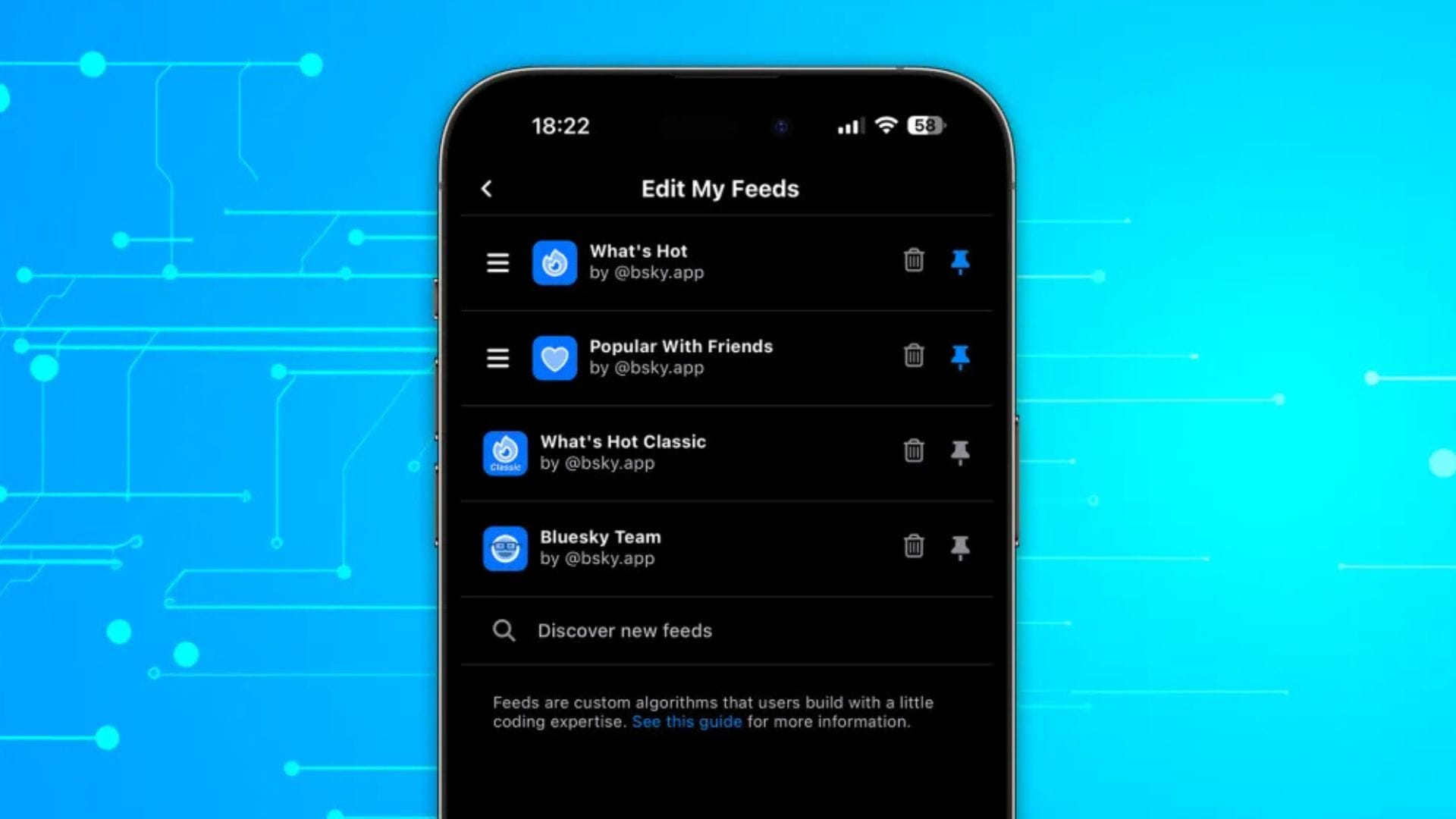
Schneider explained that the application allows users to build their own algorithms without technical knowledge. By interacting with the system as they would with a chatbot, users can instruct Attie to curate content based on their preferences. “You control it, you shape it, without having to write code or know how to set up these feeds,” he said. “It’s the beginning of just having a lot more people be able to build on top of the Atmosphere.”
The app integrates with the wider Bluesky ecosystem through a shared login system, enabling it to draw on user activity and preferences across decentralised applications. This allows Attie to generate tailored recommendations, suggest posts to engage with, and organise content into personalised feeds. Schneider emphasised that the technology is designed with people in mind, adding, “It is an AI product, but it’s an AI product that’s very people-focused … We think AI is a very powerful technology, but we want to make sure that we use it to build things that really benefit people.”
Expanding capabilities and future development plans
At launch, Attie is primarily focused on creating and managing custom feeds, which can later be accessed within Bluesky or other applications built on the same protocol. However, the company has broader ambitions for the platform. Over time, users are expected to gain the ability to “vibe-code” their own social applications and develop tools for others within the ecosystem.
Schneider noted that Attie’s development began only a few months ago, coinciding with Graber’s decision to step back from executive responsibilities to focus on product innovation. “I think she realised that there was so much more that she wanted to build, and just doing the CEO job kept her busy,” he said. “As she spent more time, [and] got freed up, I think it became clear that this is her happy place.”
Graber has also positioned Attie within a broader philosophical stance on artificial intelligence. She argued that many existing platforms use AI primarily to increase user engagement and collect data, rather than to serve individuals directly. “We think AI should serve people, not platforms,” she said. “An open protocol puts this power directly in users’ hands. You can use it to build your own feeds, create software that works the way you want it to, and find signal in the noise.”
Funding, monetisation and ecosystem ambitions
The launch of Attie follows confirmation that Bluesky secured US$100 million in additional funding from a round completed last year. According to Schneider, the investment provides more than three years of financial runway, offering stability for both the company and developers building on its decentralised network.
The company is now turning its attention to longer-term challenges, including introducing stronger privacy controls and identifying sustainable revenue models. While Attie remains in private beta, Bluesky is considering several monetisation strategies, including subscription services and hosting solutions for communities operating on the protocol.
Schneider ruled out the possibility of integrating cryptocurrency features, despite backing from investors with interests in decentralised finance. He said those investors were drawn to Bluesky’s decentralised structure rather than any intention to introduce crypto-based functionality. Instead, the company aims to foster a broad ecosystem of interoperable applications.
Drawing comparisons with his previous experience leading Automattic, the company behind WordPress.com, Schneider highlighted the potential scale of decentralised platforms. He described the Atmosphere ecosystem as an open system where independent services can coexist and collaborate. “With WordPress, that turned into a huge ecosystem with billions of dollars — over $10 billion a year, now — flowing through it,” he said. “And this is what we’re hoping for, for the Atmosphere to have that similar ability for lots of these apps and services to coexist and work together and build an ecosystem.”