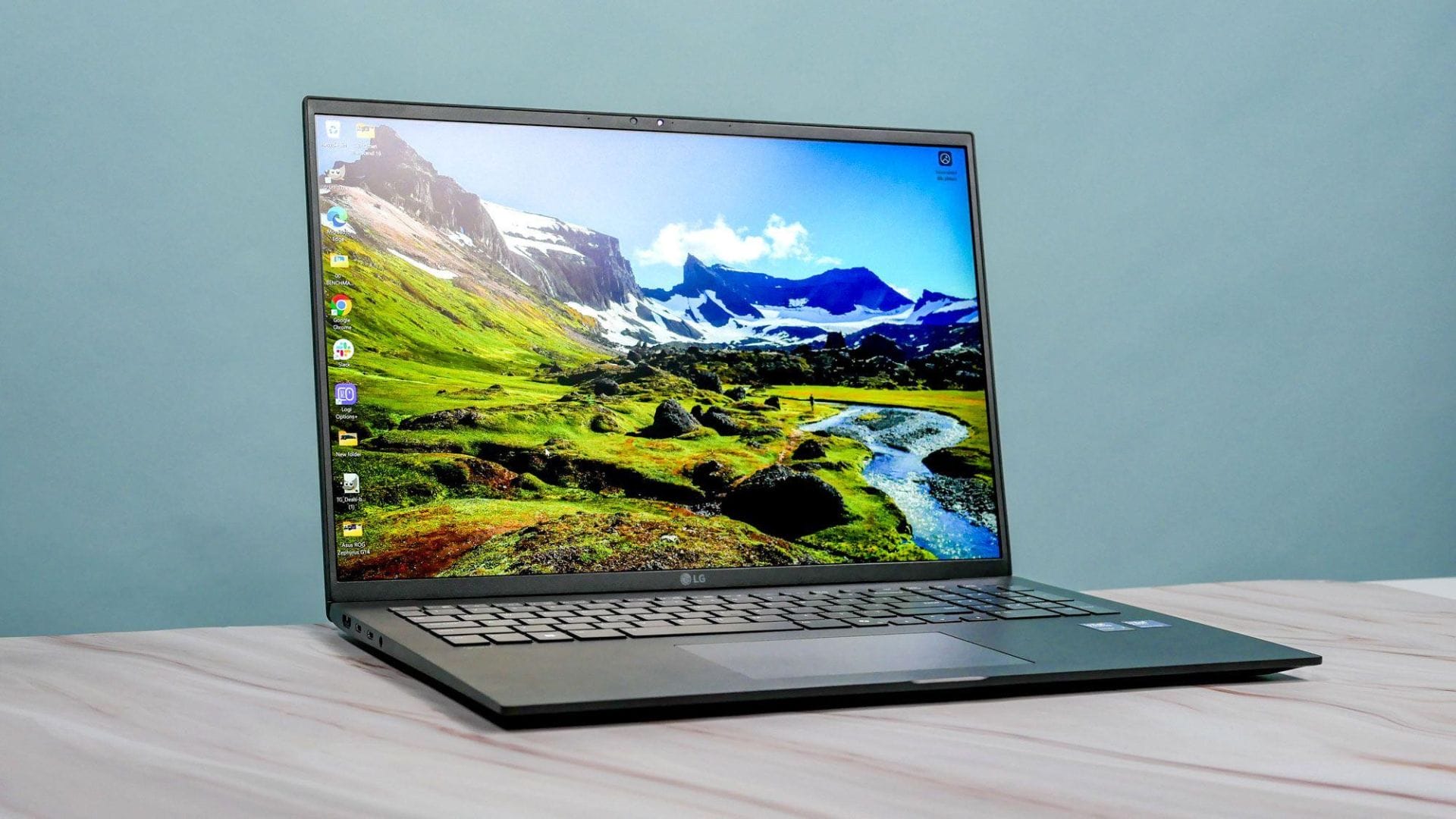
LG Display has started mass production of a new laptop screen that could significantly extend battery life while maintaining smooth visuals. The panel introduces what the company calls Oxide 1Hz technology, which automatically adjusts the refresh rate between 1Hz and 120Hz depending on what is shown on the screen.
Although high-refresh-rate displays are already common in laptops, this marks the first time such a wide dynamic range has been achieved in mass-produced panels. Traditional 120Hz displays typically scale down only to around 25Hz, limiting their ability to conserve energy during less demanding tasks.
The new panel addresses this limitation by dropping the refresh rate as low as 1Hz when the screen content is largely static. This could include activities such as reading emails, reviewing documents or browsing text-heavy web pages. When more motion is detected, such as during video playback or gaming, the refresh rate increases to 120Hz to ensure smooth performance.
This adaptive approach balances performance and efficiency. By minimising unnecessary screen updates, the panel reduces power consumption without compromising the user experience during more demanding tasks.
Lower refresh rates play a key role in energy savings
The importance of a lower refresh rate lies in how displays consume energy. Refresh rate refers to how many times per second the screen redraws its image. Higher refresh rates provide smoother motion, particularly for fast-moving content such as sports or games.
However, many existing laptop displays operate at higher refresh rates even when there is little or no movement on screen. This results in wasted energy, as the display continues refreshing unnecessarily. Even panels with adaptive refresh rate technology often cannot scale down far enough to make a meaningful difference in battery consumption.
LG Display claims to have overcome this challenge through new circuit designs and advanced materials. These improvements allow the panel to operate efficiently at very low refresh rates without compromising display stability or quality.
As a result, the company reports that the new panel can deliver up to a 48 per cent improvement in battery life compared with conventional laptop displays. This represents a substantial gain, particularly for users who rely on their devices for extended periods without access to charging.
Such efficiency improvements could have a noticeable impact on everyday use, especially for professionals and students who spend long hours working on static or low-motion content.
Dell to debut panels as plans take shape
The first devices to feature this new display technology will come from Dell, which is set to integrate the panels into its premium XPS laptop range. The company had already showcased updated XPS models equipped with the display during CES 2026 in January, signalling an early partnership with LG Display.
This initial rollout suggests that the technology will first appear in high-end laptops, where both performance and battery life are key selling points. Over time, it may expand into more mainstream devices as production scales and costs decrease.
Looking ahead, LG Display is also developing an OLED version of the same technology. The company plans to begin mass production of an OLED panel capable of 1Hz in 2027, potentially bringing similar energy-saving benefits to higher-end display categories.
The move reflects a broader industry trend towards improving efficiency through smarter hardware design rather than relying solely on larger batteries. As laptops continue to prioritise portability, innovations such as adaptive refresh rate technology are likely to play an increasingly important role.