

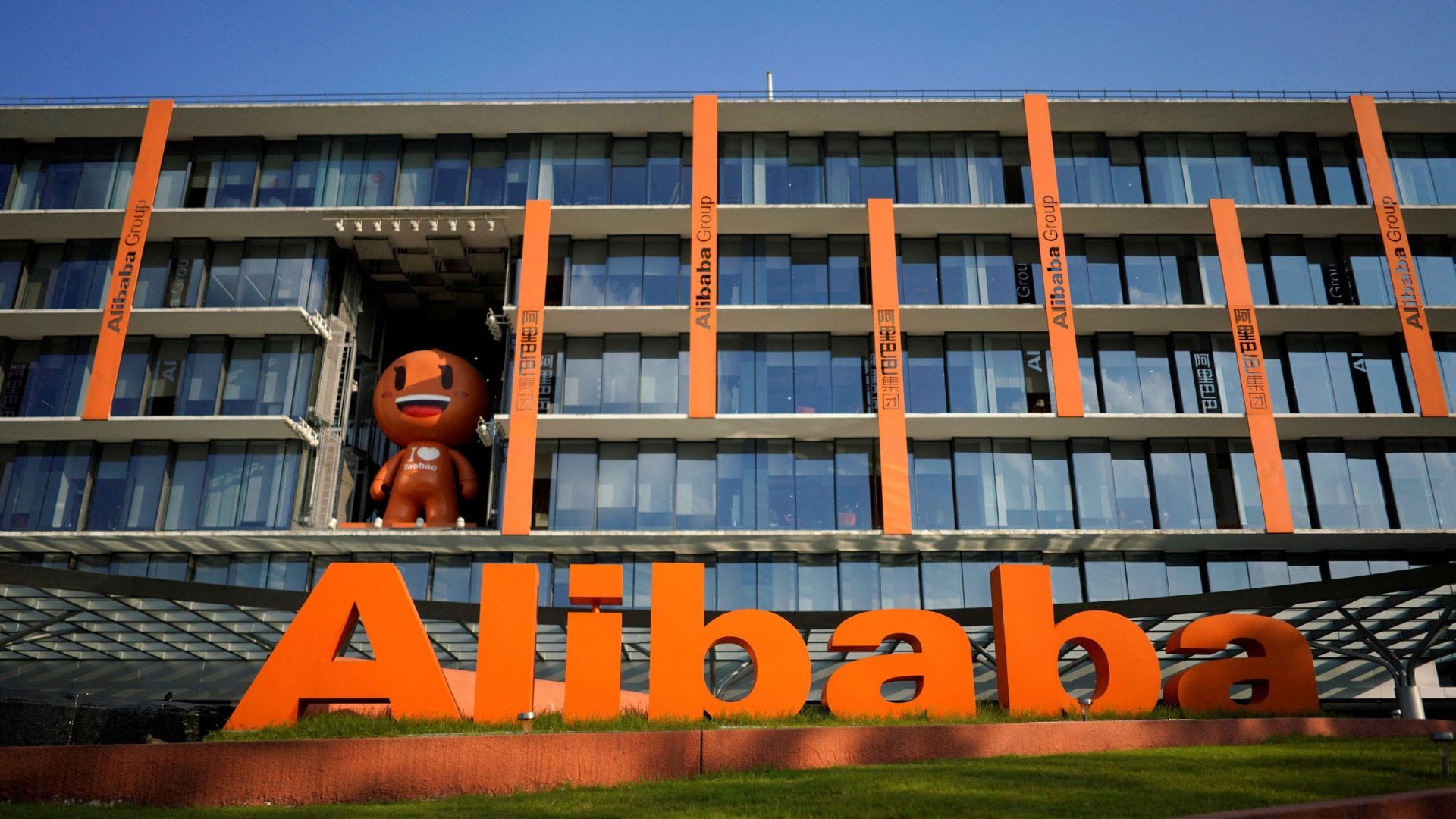
Alibaba has secured temporary legal relief after a US federal judge ruled that the Pentagon must not treat the Chinese technology and e-commerce company as a Chinese military company for newly introduced lobbying restrictions.
The decision follows a lawsuit filed by Alibaba against the US government, in which the company argued that its inclusion on the Pentagon’s 1260H entity list lacked a legal and factual basis. Alibaba also claimed that the designation infringed upon its constitutional rights, including freedom of speech and due process.
Court pauses lobbying restrictions
The ruling centres on the Pentagon’s 1260H list, which identifies companies that the US Department of Defense considers to have links to the Chinese military. Although the list does not impose the same level of restrictions as the US Office of Foreign Assets Control sanctions list, it has recently gained greater significance following changes to US law.
Under the updated legislation, the Department of Defense is prohibited from awarding contracts to businesses that use lobbyists or lobbying firms representing companies listed under the 1260H designation. Alibaba argued that this change effectively prevented it from hiring legal and government affairs representatives who could advocate on its behalf or challenge the government’s decision.
US District Judge Eumi K. Lee issued an order preventing the Pentagon from applying the lobbying restrictions to Alibaba while the court considers the company’s request for further legal relief. The order will remain in effect until the judge rules on Alibaba’s motion or for 60 days after a court hearing on the matter, whichever comes first.
The temporary ruling does not remove Alibaba from the 1260H list. Instead, it pauses the application of the lobbying-related restrictions while the legal challenge continues. Legal observers note that the decision could influence how similar cases involving other companies on the list are handled in the future.
Alibaba argues the designation violates constitutional rights
In its legal filing, Alibaba maintained that it has no relationship with the Chinese military and should not have been included on the Pentagon’s list. The company argued that the designation has had immediate practical consequences beyond reputational damage, particularly by limiting its ability to communicate with US policymakers.
According to the lawsuit, Alibaba said the lobbying restrictions caused it to lose “its voice across the whole of its dealings with the federal government — on legislation, on regulation, on the policies that shape its business.”
The company also stated that more than two dozen registered lobbyists representing its interests withdrew their registrations shortly after Alibaba was placed on the 1260H list. It argued that the inability to retain professional representation made it significantly more difficult to defend its interests and challenge the government’s actions through established legal and political channels.
Alibaba contended that the restrictions amounted to an infringement of its constitutional right to free speech by limiting access to lobbyists who could engage with lawmakers and government agencies on its behalf. The company further claimed that its placement on the list lacked sufficient evidence and did not meet the legal standards required for such a designation.
Pentagon and lawmakers defend the restrictions
While defending the constitutionality of the lobbying restrictions, the Pentagon acknowledged that temporarily suspending their application in Alibaba’s case would allow the court to examine the legal issues raised by the lawsuit properly.
Government lawyers argued that “it will benefit both the parties and the court to enter into a stipulation for a limited period of time so the court can assess” the complaint. This agreement formed part of the basis for the judge’s temporary order.
The legal dispute comes amid broader efforts by US policymakers to tighten oversight of companies believed to have links with China’s military and strategic industries. The 1260H list has become an increasingly important tool within that wider national security strategy, particularly following legislative changes affecting government contractors and lobbying activities.
Separately, members of the US House Select Committee on China recently called on Defence Secretary Pete Hegseth to strictly enforce the lobbying restrictions introduced under the revised rules. The lawmakers argued that government contractors should avoid relationships with lobbying firms that also represent companies viewed as advancing China’s military interests.
Representatives John Moolenaar and Elise Stefanik wrote: “The Department’s contractors must avoid partnering with firms and lobbyists that simultaneously advance the interests of companies executing the military ambitions of the Chinese Communist Party.”
The court’s temporary order provides Alibaba with limited relief while its broader legal challenge proceeds. The outcome of the case could help determine how US courts address future disputes over the Pentagon’s military company designations and related lobbying restrictions.