

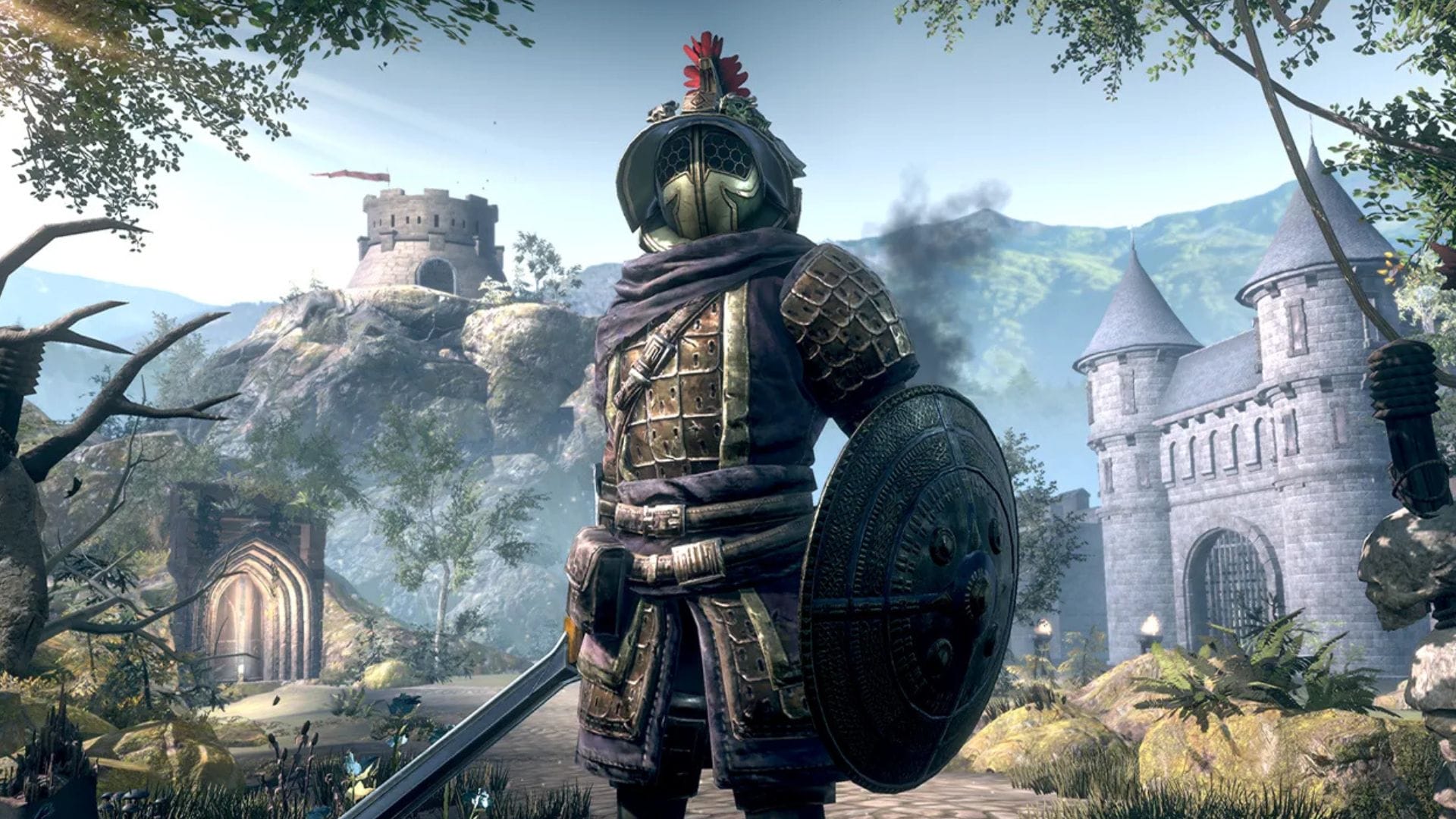
The developer Bethesda has confirmed that it will permanently shut down the servers for its mobile title, The Elder Scrolls: Blades, on 30 June, bringing an end to the free-to-play spin-off after several years of service.
The decision marks the closure of one of the company’s smaller projects set in its popular fantasy universe. The game has already been removed from major digital storefronts, including Apple’s App Store and Google Play, and is no longer available on the Nintendo Store. Reports of the shutdown first emerged through online community discussions before being formally acknowledged by the developer.
Gradual wind-down ahead of closure
In the lead-up to the shutdown, Bethesda has introduced temporary changes aimed at its remaining player base. Users still active in The Elder Scrolls: Blades will receive complimentary bundles of in-game currency, including Gems and Sigils. Additionally, all items within the game’s store have been reduced to a nominal cost of one Gem or one Sigil, allowing players to access content more freely before the service ends.
The closure will coincide with the game passing roughly six years since its full release. Originally launched in 2020 across Android, iOS, and Nintendo Switch, the title was designed as a dungeon-crawling experience tailored for mobile devices. It sought to extend the reach of the long-running Elder Scrolls franchise beyond traditional console and PC audiences.
Despite its upcoming shutdown, the game did achieve early traction. During its early access phase, more than one million iOS users downloaded the title within its first week. This initial momentum suggested strong interest from the franchise’s fans, though sustaining that engagement proved more challenging over time.
Mixed reception and limited long-term success
While The Elder Scrolls: Blades attracted attention at launch, it struggled to achieve the same level of commercial or critical success as Bethesda’s core titles. Reviews were often mixed, with many critics pointing to repetitive gameplay mechanics and a heavy reliance on microtransactions as key drawbacks.
On review aggregation platform Metacritic, the game ultimately received a “generally unfavourable” rating. Feedback frequently highlighted concerns that the mobile adaptation lacked the depth and immersion typically associated with the broader Elder Scrolls series. Although the game attempted to balance accessibility with franchise elements, it did not fully resonate with either new players or long-time fans.
The closure also reflects a broader pattern in Bethesda’s handling of spin-off titles. The company previously ceased development on The Elder Scrolls: Legends in 2019, before shutting down its servers in January 2025. These decisions indicate a shift in focus towards projects with stronger performance or closer ties to its flagship releases.
Ongoing presence of Elder Scrolls on mobile
Despite the discontinuation of The Elder Scrolls: Blades, the franchise will remain on mobile platforms. Players seeking a similar experience can still turn to The Elder Scrolls: Castles, another spin-off that explores the same fantasy universe through a different gameplay approach.
Bethesda has not announced any direct replacement for Blades, nor has it detailed future mobile plans for the Elder Scrolls series. However, the continued availability of other titles suggests the company remains open to exploring the mobile gaming market, albeit with a more selective strategy.
For existing players, the upcoming shutdown represents the end of their progress and in-game achievements, as the title relies on online servers to function. Once the servers go offline, The Elder Scrolls: Blades will no longer be playable in any form.
The closure underscores the challenges of sustaining live-service mobile games, particularly those tied to established franchises with high expectations. While the Elder Scrolls name carries significant weight, translating that success into the mobile space has proven difficult.