

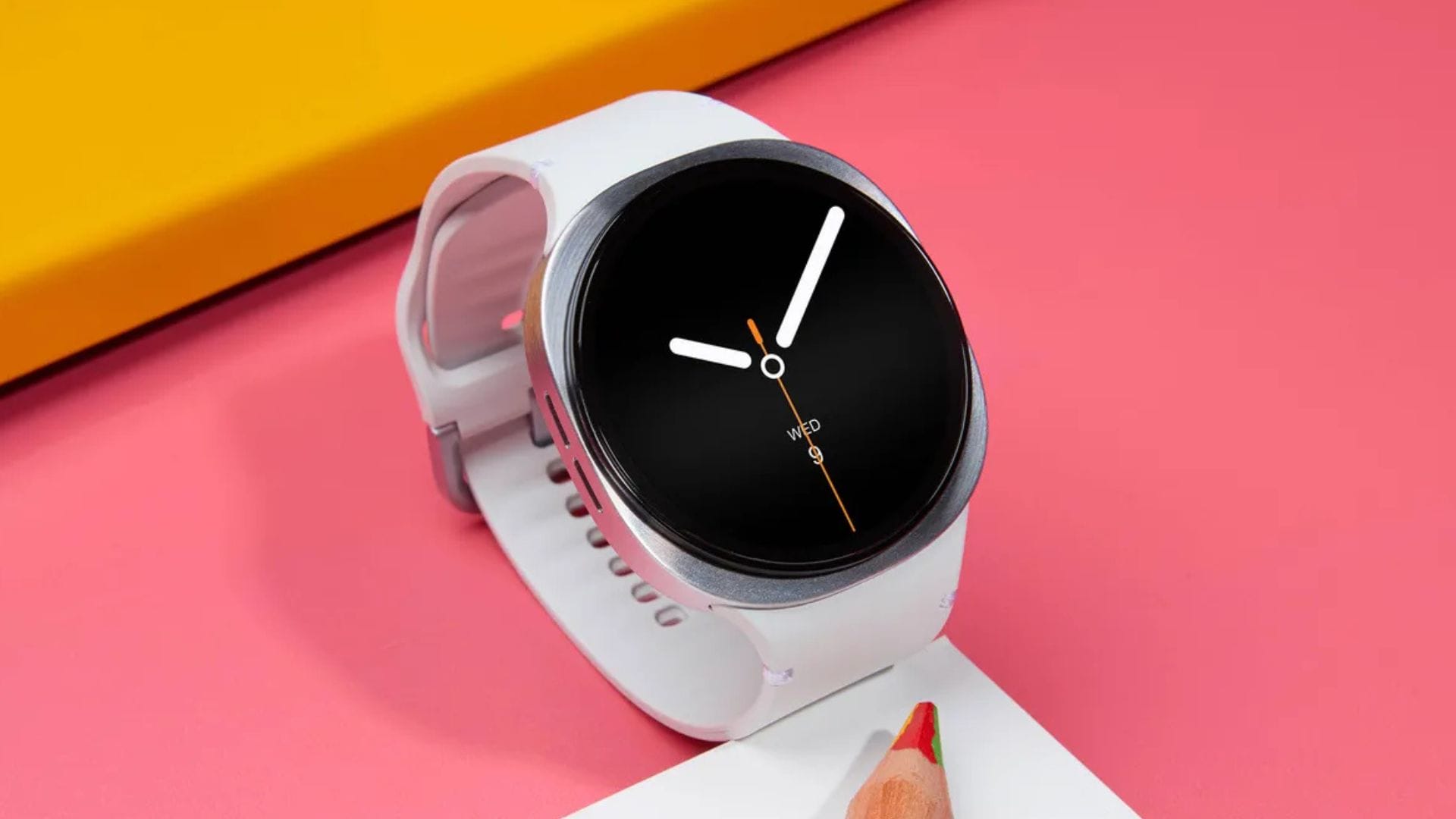
Samsung’s next-generation smartwatch may already be moving closer to release, with fresh indications suggesting that development of the Galaxy Watch9 has been completed and the device is now undergoing testing.
Early signs point to the testing phase
Reports emerging towards the end of March suggest that Samsung has progressed further than expected with its upcoming smartwatch. According to a leak from Mohammed Khatri, a device believed to be the Galaxy Watch9 has been identified on a US-based testing server called Checkfirm.
Upcoming Galaxy Watch9 Spotted on Test Server in the United States 🔥🇺🇸
— Mohammed Khatri (@Mohammed_K_2010) March 24, 2026
⌚️ SM-L345U
💡 L345USQU0AZC5/L345UOYM0AZC5/L345USQU0AZC5
Galaxy Watch Ultra 2 has not appeared yet‼️
#Samsung pic.twitter.com/nBdspgAs5T
Checkfirm is typically used to track firmware updates for Samsung devices, and the appearance of a new model number strongly suggests that the smartwatch exists and can run Samsung’s current software. This is often seen as a key milestone, indicating that hardware development has been finalised and internal testing is underway.
The timing of this development aligns with Samsung’s usual product cycle. The company traditionally unveils new wearable devices during its mid-year launch event, widely expected to take place in July or August. If the reported testing phase is accurate, the Galaxy Watch9 appears to be on schedule for a summer debut.
While Samsung has not officially confirmed the device, such early sightings are common in the lead-up to major launches. They often provide the first glimpse into upcoming products, even if specific features and specifications remain undisclosed at this stage.
Building on the success of the previous generation
Expectations for the Galaxy Watch9 are shaped heavily by the positive reception of its predecessor, the Galaxy Watch8. The earlier model was widely praised for its refined design and improved performance, marking a significant step forward for Samsung’s wearable lineup.
One of the most notable changes introduced with the Watch8 was its redesigned casing, which allowed the device to sit closer to the wrist. This adjustment improved both comfort and fitness-tracking accuracy, particularly during exercise. The sleeker profile also contributed to a more modern and polished appearance.
The design language, including the distinctive “squircle” shape, divided opinion in some variants such as the Galaxy Watch Ultra and Watch8 Classic. However, in the standard Watch8 model, the design was generally seen as well-balanced and visually appealing.
Beyond aesthetics, Samsung also focused on software innovation. The introduction of an AI-powered running coach was particularly well received, offering personalised guidance and performance insights. This feature positioned Samsung more competitively against established fitness-focused brands, especially in the running segment.
Given this context, the Galaxy Watch9 is expected to refine rather than radically change the formula. With the major redesign already completed in the previous generation, incremental improvements in performance, battery life, and software capabilities are more likely than a complete overhaul.
Competition in the smartwatch and fitness market
The smartwatch market is becoming increasingly competitive, with brands striving to combine advanced health tracking with everyday smart features. Samsung has been working to strike a balance between these two areas, appealing to both casual users and fitness enthusiasts.
The addition of more sophisticated fitness tools in recent models reflects a broader strategy to challenge specialist manufacturers such as Garmin. Garmin devices are known for their strong focus on sports tracking and endurance training, areas where Samsung has been steadily improving.
The Galaxy Watch9 could further narrow this gap if it builds on the AI-driven features introduced last year. Enhanced coaching tools, more accurate sensors, and improved integration with Samsung’s ecosystem may help position the device as a viable alternative to dedicated fitness watches.
At the same time, Samsung is expected to maintain its emphasis on communication and connectivity features, which remain key strengths of its smartwatches. This dual approach could make the Galaxy Watch9 particularly appealing to users seeking a single device that performs well across multiple use cases.
Although details remain limited, early testing suggests that Samsung is progressing steadily towards its next major wearable release. As the anticipated launch window approaches, more information is likely to emerge, offering a clearer picture of how the Galaxy Watch9 will evolve in an increasingly crowded market.