

Samsung has extended support for AirDrop-style file sharing to a wider range of Galaxy devices, marking a notable shift in cross-platform compatibility between Android and Apple ecosystems. However, early user feedback suggests the feature may not yet be fully reliable.
The development follows earlier reports that Google had enabled Apple’s AirDrop functionality on Android devices, a move that raised questions about how such integration was achieved without Apple’s formal collaboration. Building on this momentum, Samsung initially introduced compatibility with its Galaxy S26 series before expanding support to additional models, including the Galaxy Z Fold 7 and several earlier Galaxy S devices.
AirDrop has long been a defining feature of Apple’s ecosystem, allowing users to transfer files quickly and securely between devices such as iPhones, iPads and Macs. The system operates without compressing files and includes privacy controls that limit sharing to known contacts. Its exclusivity has historically reinforced Apple’s tightly controlled software environment.
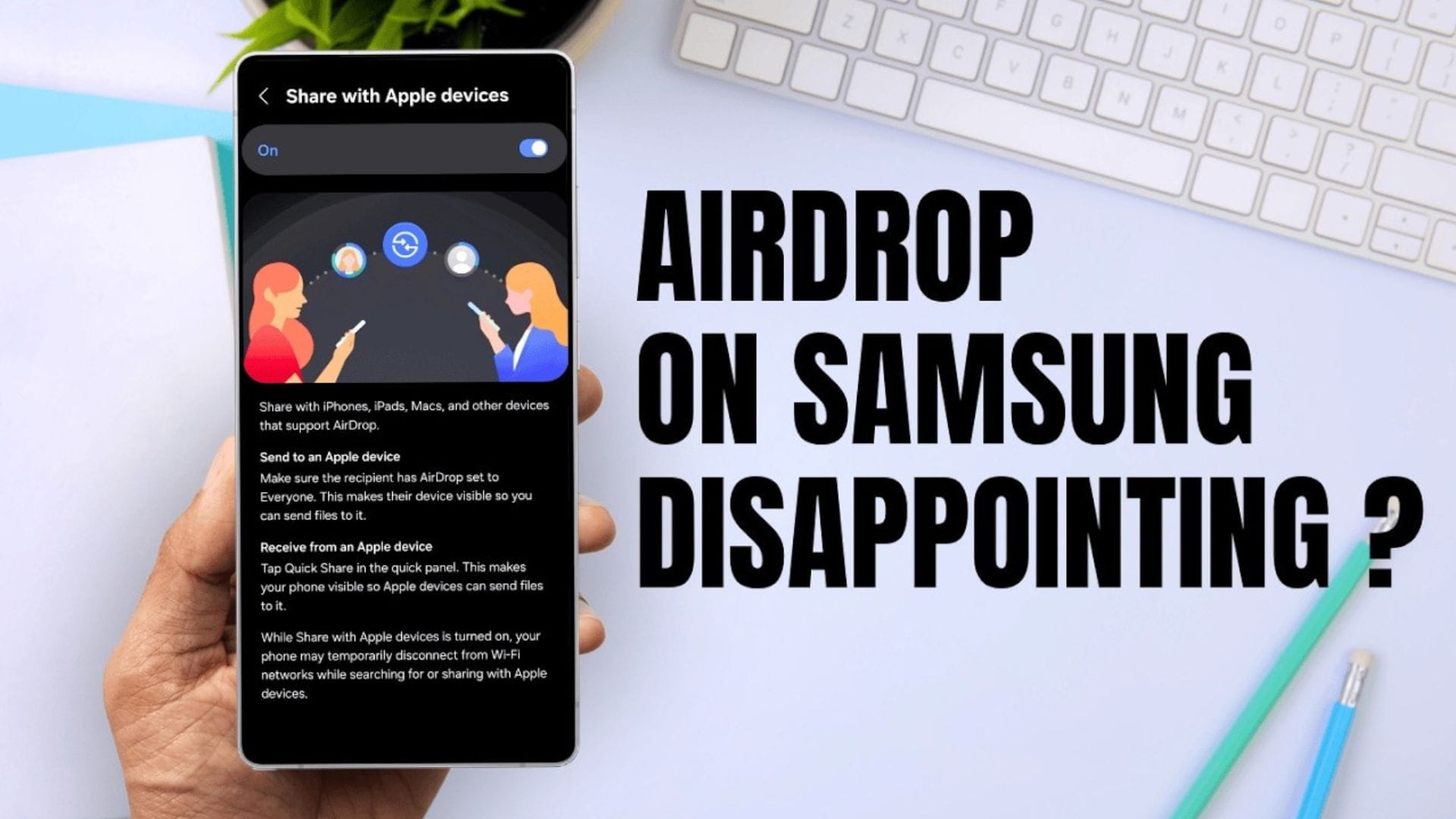
Samsung’s approach differs from a direct replication of AirDrop. Instead of launching a standalone feature, the company has integrated the functionality into its existing Quick Share tool. This means users can now see options for sharing files with iPhone users directly within Quick Share, rather than switching between separate apps. The design aims to simplify the process while introducing cross-platform compatibility.
Gradual rollout brings mixed user experiences
Despite the promise of improved interoperability, the feature’s rollout appears inconsistent. Some users report that the option to share files with iPhone devices is visible on their Galaxy phones, but fails to function when used. Others say the feature is absent, even after updating the Quick Share application.
Reports from Samsung community forums and social media platforms indicate that the experience varies widely between devices and regions. In some cases, users report being unable to detect nearby iPhones, while others experience failed transfers without explanation. These issues mirror earlier complaints surrounding Google’s implementation of similar functionality, which also faced technical challenges during its initial release.
Hey Galaxy Fam 👋
— Tarun Vats (@tarunvats33) March 28, 2026
Quick Share update is rolling out via Galaxy Store
It enables AirDrop-like sharing on older Galaxy devices running One UI 8.5 Beta
Have you received the update yet?
Is AirDrop-style sharing working for you? 🤔👇 pic.twitter.com/G8e2ftKaep
At the same time, not all feedback has been negative. Some users have reported successful file transfers between Galaxy and Apple devices, suggesting that the feature is operational under certain conditions. Discussions on online forums indicate that when the system works, it performs similarly to AirDrop, offering quick, seamless sharing without noticeable degradation in file quality.
The inconsistent performance points to a staggered rollout or ongoing testing phase. Samsung may be enabling the feature selectively, either by region or device configuration, while continuing to refine its performance. Such an approach is not uncommon for new software features, particularly those involving compatibility between competing ecosystems.
Industry implications and future outlook
The introduction of AirDrop-style sharing on Android devices represents a significant development in the broader technology landscape. For years, file sharing between Apple and Android devices has been fragmented, often requiring third-party applications or cloud-based solutions. By enabling direct transfers, companies like Samsung and Google are addressing a long-standing user demand for simpler cross-platform communication.
However, the absence of an official partnership with Apple raises questions about the longevity and stability of these solutions. Apple has traditionally maintained strict control over its proprietary technologies, and it remains unclear whether the company will respond to these developments in future software updates.
For Samsung, the success of this feature could enhance the appeal of its devices by reducing friction for users who interact with multiple ecosystems. At the same time, reliability will be crucial. If users continue to encounter inconsistent performance, the feature may struggle to gain widespread adoption despite its potential benefits.
Looking ahead, further updates are expected as Samsung refines the integration within Quick Share. Improvements in stability and broader availability across devices could help establish the feature as a standard tool for cross-platform file sharing. There is also the possibility that other Android manufacturers may adopt similar approaches, further expanding compatibility.
For now, the feature remains a promising but imperfect step towards bridging the gap between Android and Apple devices. Users interested in trying it may need to wait for additional updates to ensure a consistent experience.